Показаны сообщения с ярлыком World News in Brief. Показать все сообщения

пятница, 25 октября 2024 г.

World News in Brief: Sudan food crisis update, justice in Thailand, UN can solve global problems


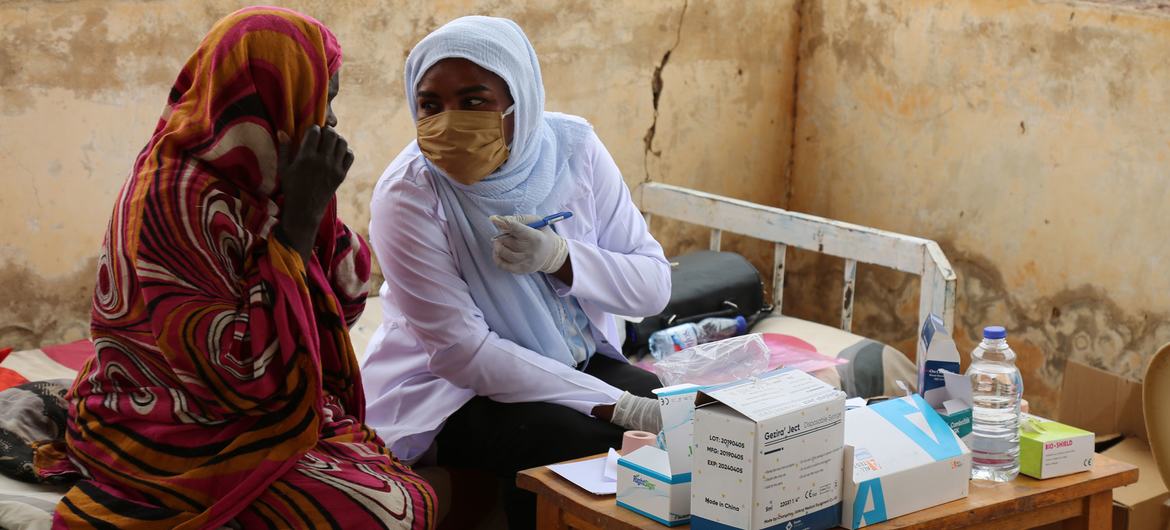
Midwives and other health professionals treat patients at the Khartoum Maternity Hospital in Sudan.
© UNFPA Sudan/Sufian Abdul-Mouty
 
Midwives and other health professionals treat patients at the Khartoum Maternity Hospital in Sudan.


24 October 2024 
Humanitarian Aid

Sudan’s humanitarian crisis continues to deepen, with ongoing fighting between rival militaries displacing millions. 

The World Food Programme (WFP) has increased its humanitarian response in Sudan’s conflict-ravaged areas, particularly in Darfur, where the risk of widespread famine looms.

Since the reopening of the Adre border in August, the agency has successfully delivered food assistance to 360,000 people in Darfur.

“Distributions have been completed for over 200,000 people in Kerenik and Sirba- areas at risk of famine at West Darfur”, stated Deputy UN Spokesperson Farhan Haq during the noon daily briefing in New York.

He added that “WFP is scaling up its efforts to reach 180,000 people in Zamzam, near El Fasher, the capital of North Darfur, with monthly food packages.”

Soundcloud

Situation critical

The humanitarian situation remains critical, with nearly 70,000 people in Zamzam having received assistance so far.

While WFP has managed to assist over 6 million people this year – including more than half a million vulnerable individuals in the greater area of Khartoum – challenges remain.

“Early indications show little improvement in food security as historic flooding across Sudan destroyed crops and ongoing conflict made it difficult for farmers to plant, cultivate and now harvest”, Mr. Haq explained.

Thailand: Experts raise alarm as statute of limitations threatens justice for victims of ‘Tak Bai incident’

Tweet URL

A group of independent UN human rights experts have raised the alarm over the impending expiration of the statute of limitations on the 2004 Tak Bai killings in Thailand, in just a few hours’ time.

This statute could end efforts to hold Thai security officials accountable for their role in the deaths of 85 people during a violent crackdown on a protest in Narathiwat province 20 years ago.

Seven people were killed initially when security forces opened fire, 78 more died during transport to a military camp under inhumane conditions, and seven people were forcibly disappeared during the incident, the experts said.

The victims were predominantly from the Malay Muslim minority.

“We welcome the fact that two criminal cases are finally proceeding into this incident with arrest warrants issued against relevant current and former officials,” said the experts – who are not UN staff, and are independent from any government or organization.

However, they warned that the statute’s imminent expiration on Friday would cut them short.

Cases must continue

They emphasised that international law prohibits statutes of limitations for crimes like torture and enforced disappearances. In cases of forced disappearance, the statute can only apply once the fate and whereabouts of the victims are definitively established. “A failure to investigate and bring perpetrators to justice is itself a violation of Thailand’s human rights obligations,” one expert asserted.

Families of the victims have waited nearly two decades for justice. The experts urged the Thai government to take immediate action to prevent further delays in accountability and to uphold the rights of the victims' families to truth, justice, and reparations.

‘Hope requires the United Nations’: Guterres

Thursday marked United Nations Day which saw the Secretary-General delivering a strong message about the organisations enduring mission since its foundation amid the ashes of World War Two.

In a world facing multiple crises, he emphasised that the UN remains the world’s central platform for solutions, to global problems.

“Solutions that ease tensions, build bridges and forge peace. Solutions to eradicate poverty, spur sustainable development and stand up for the most vulnerable.” 

The message comes at a crucial moment following September’s landmark agreements by the General Assembly.

In September the Assembly adopted the Pact for the Future, the Global Digital Compact and the Declaration on Future Generations.

The Secretary-General delivered a powerful reflection on hope in our troubled world.

“Hope is not enough. Hope requires determined action and multilateral solutions for peace, shared prosperity, and a thriving planet,” he said.

“Hope requires all countries working as one. Hope requires the United Nations. On United Nations Day, I call on all countries to keep this beacon for the world, and its ideals, shining.” 


https://news.un.org/en/story/2024/10/1156106


https://creativecommons.org/licenses/by/4.0/legalcode

четверг, 24 октября 2024 г.

World News in Brief: UNRWA staffer killed in Gaza, Central African Republic update, terror in Türkiye, journalists face financial reprisals


UN agencies operating in Gaza City in May 2024. (file)
© UNOCHA
 
UN agencies operating in Gaza City in May 2024. (file)


23 October 2024
 

A strike in Deir Al-Balah in the central Gaza Strip has led to death of at least one staff member of the UN agency for Palestine refugees, UNRWA, on Wednesday.

“We can confirm that an UNRWA vehicle has been hit in Deir Al-Balah,” a spokesperson confirmed. “So far, we have reports one UNRWA staff member was killed.”

Since the deadly Hamas-led invasion of Israel a year ago triggered the ongoing war, almost 48,000 people in Gaza have been killed during the resulting Israeli offensive, including 230 UNRWA staff members, other humanitarian workers and journalists.

Six UNRWA staff members were among 34 people killed in September when two Israeli airstrikes hit a school-turned-shelter in Gaza.

‘Positive momentum’ in Central African Republic

Tweet URL

The Central African Republic (CAR) with the support of the UN peacekeeping mission in the country (MINUSCA), is experiencing much positive momentum from the recent dissolution of active armed groups, according to the UN’s Special Envoy for the country.

Speaking to the Security Council on Wednesday, Valentine Rugwabiza, Special Representative of the Secretary-General for CAR, highlighted the importance of renewing the Mission’s mandate.

MINUSCA was established in September 2014 in the CAR following a deadly flare up of inter-communal violence between the mainly Muslim Séléka groups and the mainly Christian anti-Balaka movement.

Civilians, top priority

Its mandate includes protection of civilians as the “utmost priority” alongside supporting humanitarian operations, protecting and promoting human rights and the disarmament, demobilisation, reintegration and repatriation of fighters from neighbouring countries.

The CAR has struggled to bring a definitive end to armed rebellions and recurrent violence since the start of the civil war in 2013.

Commending recent progress, Ms. Rugwabiza reported the dissolution of six armed groups and three factions of armed groups signatories which were signatories to CAR’s Political Agreement which “remained effective and resulted in the disarmament and demobilisation of their combatants, with the integration of some of them in the national armed forces”.

Ms. Rugwabiza also underscored local elections as a “key component” of the Agreement which “offers a unique opportunity for enhanced governance at a decentralised level”.

Preparations for local elections have also continued to progress driven by the Government’s sustained commitment and MINUSCA multidimensional support.

Guterres strongly condemns terror attack in Türkiye

Tweet URL

The Secretary-General has strongly condemned a terrorist attack on the facilities of an aerospace company headquarters based near the capital Ankara which left five dead and 22 reportedly injured.

Wednesday’s assault was carried out by two suspects, a man and a woman, who were later “neutralised” by security forces, according to media reports.

No organization has claimed responsibility for the attack so far, which began with a large explosion at the headquarters of Turkish Aerospace Industries’ facilities, while the attackers opened fire both inside and outside the building.

UN chief António Guterres offered his deepest condolences to the victims and their families and wished a speedy and full recovery to those injured.

“The United Nations stands in solidarity with the people and Government of the Republic of Türkiye,” said a statement issued by his Spokesperson’s Office.

UNESCO warns of growing threats to press freedom through misuse of fiscal laws

In an interview with UN News, an expert from the UN culture agency which monitors press freedom has highlighted growing threats to freedom of expression for media workers.

Guilherme Canela, UNESCO's Chief of Section for Freedom of Expression and Safety of Journalists, emphasised on Wednesday that attacks against journalists through the misuse of financial and fiscal legislation are on the rise.

This emerging trend has been revealed in UNESCO’s latest research, which tracks how these laws are being used to harass and silence journalists.


https://news.un.org/en/story/2024/10/1156051


https://creativecommons.org/licenses/by/4.0/legalcode

вторник, 22 октября 2024 г.

World News in Brief: Egypt malaria-free, tropical storm lashes Cuba, Mozambique killings, WHO support for South Sudan


An anopheles adult mosquito rests on a net.
© WHO/S. Torfinn
 
An anopheles adult mosquito rests on a net.


21 October 2024 
Health

The World Health Organization (WHO) has officially certified Egypt as malaria-free. The achievement marks the culmination of a century-long effort to eradicate a disease that has plagued the nation since ancient times.

“Malaria is as old as Egyptian civilisation itself, but the disease that plagued pharaohs now belongs to its history and not its future,” said Tedros Adhanom-Ghebreyesus, WHO Director-General.

Tweet URL

“This certification of Egypt as malaria-free is truly historic, and a testament to the commitment of the people and Government of Egypt to rid themselves of this ancient scourge.”

Egypt’s success story represents a significant victory in the global fight against malaria, especially for a country with a population exceeding 100 million.

Growing list

In the WHO Eastern Mediterranean region, Egypt becomes only the third country to receive this certification, following the United Arab Emirates and Morocco.

Egypt joins a group of 44 countries and one territory worldwide that have achieved this status.

Tedros emphasised the broader implications of this achievement.

“I congratulate Egypt on this achievement, which is an inspiration to other countries in the region, and shows what’s possible with the right resources and right tools.”

UN ready to support Cuba, as millions left without power

The UN Country Team in Cuba stands ready to support the Caribbean nation and mobilise technical assistance amidst reports of rolling power outages and a slow-moving tropical storm which threatens flooding in both urban and rural areas.

Cuba’s power grid reportedly failed on Friday after weeks of rolling outages, leaving an estimated 10 million without electricity. There have been three other crashes up to Monday, all of which is being compounded by Tropical Storm Oscar, which made landfall on Sunday.

According to news reports, the Cuban Government has said the weeks of worsening blackouts are due to infrastructure problems, fuel shortages and rising demand, together with the impact of the United States trade embargo and an inability to acquire spare parts for Cuba’s oil-fired fuel plants, resulting from economic sanctions.

Significant rain

“The strong but slow-moving storm has generated significant rainfall in the eastern and central parts of Cuba over the past few days,” said UN Deputy Spokesperson Farhan Haq, at the regular press briefing in New York on Monday.

“The slow movement of the storm at only four kilometres an hour will compound the situation with more rainfall and potential flooding in the coming hours.”

He said the UN was aware of the reported ongoing outages adding that under the leadership of the Resident Coordinator in Cuba Francisco Pichon, “we stand ready to support and mobilise technical assistance if needed. The UN Emergency Technical Team is activated and in touch with national counterparts.”

Mr. Haq said the storm was also impacting the Bahamas where the UN is working together with local and regional authorities to respond as necessary.

Guterres calls for swift probe into killing of opposition figures in Mozambique

Tweet URL

UN Secretary-General António Guterres has appealed for calm in Mozambique following the killing of two opposition figures amid a dispute over elections held earlier this month.

Elvino Dias, legal advisor to presidential candidate Venâncio Mondlane, and Paulo Guambe, the legal representative of the political party PODEMOS, were gunned down in the capital, Maputo, on Friday night.

PODEMOS rejected provisional results of the 9 October presidential elections which showed that the FRELIMO party, which has ruled Mozambique for nearly 50 years, was in the lead.

Secretary-General Guterres urged the authorities to swiftly investigate the killings and bring the perpetrators to justice.

He called on all Mozambicans, including political leaders and their supporters, to remain calm, exercise restraint and reject all forms of violence ahead of the official announcement of the electoral results.

He also reaffirmed the UN’s unwavering support to peace and stability in Mozambique during this important phase in the country’s history.

WHO supports South Sudan amid severe flooding

The World Health Organization (WHO) is working with authorities and partners in South Sudan as the country faces some of the worst flooding in decades, affecting 42 out of 78 counties and impacting some 890,000 people.

Although heavy downpours during the rainy season between April and November often trigger floods, they have become increasingly severe due to climate change, WHO said.

So far, more than 226,000 people have been displaced, and roads and key infrastructure have been submerged. This includes 58 health facilities, while nearly 90 others are inaccessible.

The floods have exacerbated the already dire humanitarian situation in the country, which is hosting almost 800,000 refugees and returnees fleeing the war in neighbouring Sudan.

Most refugees and returnees pass through Renk county in Upper Nile state, where two suspected cholera cases have been detected. Meanwhile, malaria is on the rise, with more than 120,000 suspected cases and 31 suspected deaths as of late September.

WHO has distributed about 88 metric tonnes of emergency health kits to Renk and other key locations to assist flood-affected communities. The kits can treat over 870,000 people and include critical medical supplies such cholera treatment and antimalarial drugs..


https://news.un.org/en/story/2024/10/1155936


https://creativecommons.org/licenses/by/4.0/legalcode

четверг, 5 сентября 2024 г.

World News in Brief: West Bank deaths, Venezuela rights violations, soaring debt worldwide


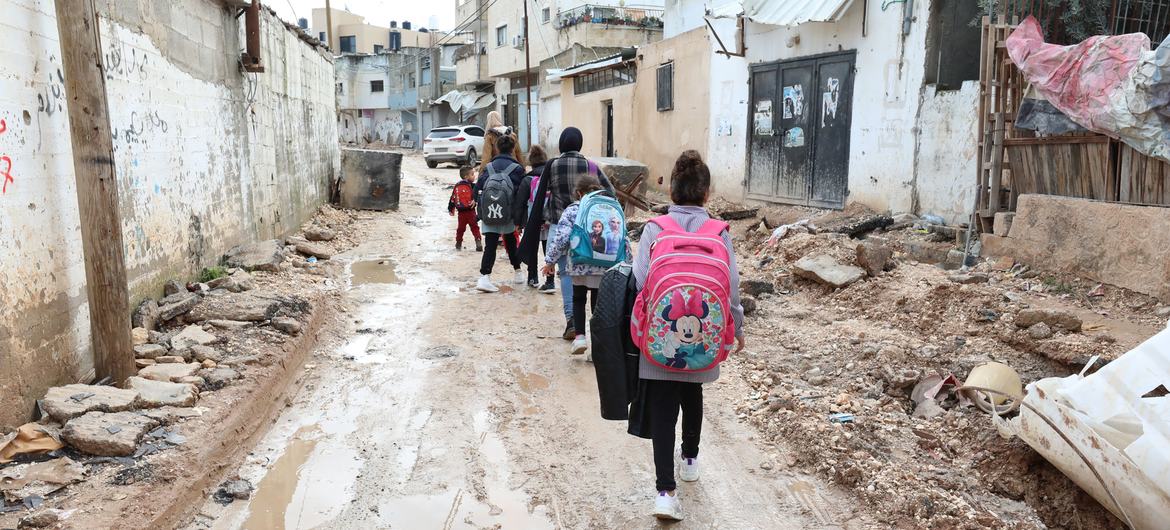
Children walk through partially destroyed streets in Jenin in the West Bank.
© UNICEF/Alaa Badarneh
 
Children walk through partially destroyed streets in Jenin in the West Bank.


4 September 2024
 Peace and Security

At least 30 Palestinians have been killed in the occupied West Bank in the week ending 2 September, including seven children – the highest number of deaths in a single week since November last year, UN humanitarian wing OCHA said on Wednesday.

Israel’s large-scale operation in the north is continuing, OCHA said in a daily news update, which accounts for 27 of the deaths “where lethal war-like tactics” have been deployed, according to humanitarians, including 10 killed by airstrikes.

“Four members of the Israeli forces have been killed in the same period by Palestinians in Hebron and Jenin governorates”, OCHA reported.

UN humanitarians called on Israeli forces to “adhere to international law enforcement standards, where lethal force and firearms are a last resort used only against imminent threats of death or serious injury.”

OCHA also reiterated that humanitarian access must always be facilitated.

Since 7 October, Israeli forces have intensified movement restrictions in the Israeli-controlled area of Hebron city, disrupting access to livelihoods and services for thousands of Palestinians, OCHA added.

“These restrictions are further aggravating the already difficult living conditions there.”

Syria health crisis

OCHA also alerted on Wednesday that half of all health facilities in northwest Syria – the final redoubt of opposition forces - are at risk of closure by the end of the year.

Services are being scaled back due to underfunding, with this year’s appeal only receiving about 26 per cent of the $4.1 billion needed to help nearly 11 million people in need of assistance across the country.

Venezuela: Rights experts voice grave concern over alleged violations surrounding presidential vote

A group of independent human rights experts on Wednesday expressed grave concern over allegations of serious human rights violations related to Venezuela’s 28 July presidential election.

Tweet URL

In a statement, more than 20 special rapporteurs and rights monitors noted that groups appointed to monitor the controversial poll, including electoral observers invited by the Government, “reported a lack of transparency and veracity.”

“We found a high degree of defencelessness among citizens, human rights defenders, persons involved in social and community work, journalists, and all persons perceived as opposition”, the UN Human Rights Council-appointed experts said.

“Information received indicates that this situation arises within a context characterised by the arbitrary use of the criminal justice system by the Attorney General's Office against these groups, the criminalization of human rights advocacy, rampant corruption, impunity, and the lack of an independent judiciary capable of investigating serious human rights violations”.

Long list of violations

They noted that before, during and after July’s vote, a spate of violations was recorded including arbitrary detentions, excessive use of force against demonstrators, unlawful killings, enforced disappearances, harassment, unlawful dismissals, persecution and prosecution of political opponents.

Many citizens “mobilized peacefully to express their dissatisfaction with electoral irregularities”, the press release continued.

Experts have received reports of more than 1,300 arbitrary detentions, including of children, adolescents, elderly, people with disabilities, Indigenous Peoples, women, and LGBTIQ+ persons, and also of enforced disappearances.

At least 21 have died, reportedly due to gunfire allegedly by non-state actors, supported by the security forces.

“There is evidence of a systematic pattern of human rights violations, which neglects the full enjoyment of fundamental rights and increases the risk to life for anyone who is critical of the Government,” the experts said.

Over the past five years the experts have sent at least 22 letters to the Government, showing a general context of systematic and serious human rights violations. Most have received no response, they said.

Special Rapporteurs serve in their individual capacity, independent of the UN system or any national government. They are not UN employees and do not receive a salary.

Public debt bubble balloons to historic $97 trillion

Tweet URL

Global public debt has nearly doubled since 2010, reaching a historic $97 trillion in 2023, according to new data from UN trade and development body, UNCTAD.

Rising interest rates are further straining government budgets, especially in developing countries.

Today, over 3.3 billion people live in countries that spend more on debt interest payments than on education or healthcare, highlighting the critical need for accurate and timely debt data.

UNCTAD’s A World of Debt Dashboard, developed in collaboration with the UN Regional Economic Commissions, offers policymakers, researchers, journalists and the public, accessible data to help navigate the complexities of global, regional and national debt.

The dashboard covers 18 key indicators across 188 countries, allowing users to assess current debt situations, compare them with others worldwide, and observe changes over time.

Intuitive filters and interactive graphs make it easy to customize searches and explore specific areas of interest, UNCTAD said.


https://news.un.org/en/story/2024/09/1153956


https://creativecommons.org/licenses/by/4.0/legalcode

суббота, 31 августа 2024 г.

World News in Brief: Terror attacks in Pakistan and Burkina Faso, Yemen floods update, mass graves in Libya


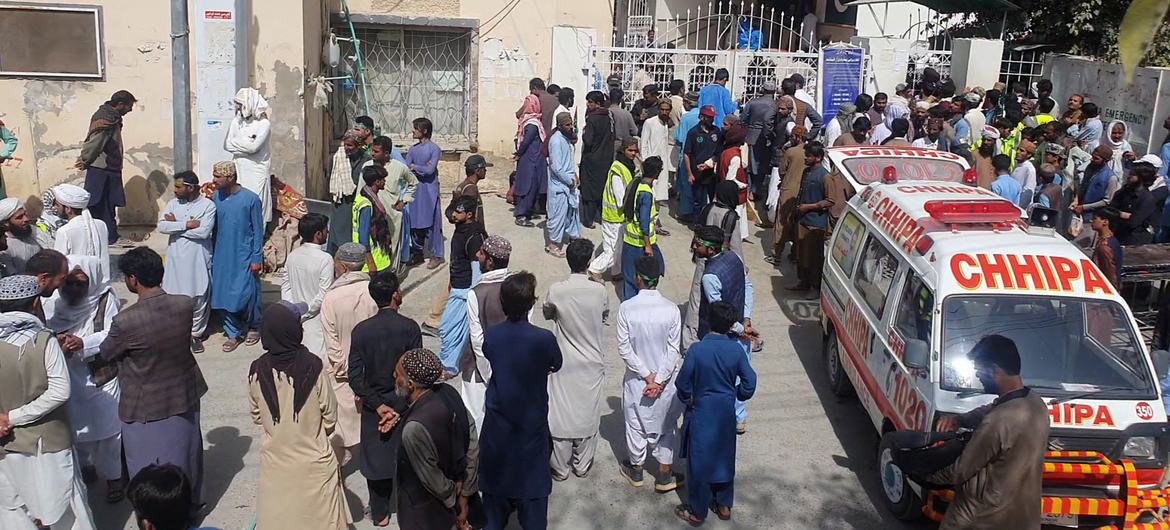
People gather outside a hospital in Pakistan's Balochistan province after a terrorist attack. (file photo)
© Asim Ahmed
 
People gather outside a hospital in Pakistan's Balochistan province after a terrorist attack. (file photo)


30 August 2024 

Human Rights

A UN independent human rights expert on Friday condemned recent terrorist attacks in Burkina Faso, which resulted in approximately 200 deaths, and in Pakistan, where 28 civilians lost their lives.

Jama’at Nusrat al-Islam wal-Muslimin, an Al-Qaeda-affiliated group, claimed responsibility for the attack in Burkina Faso on August 24. The attacks in Pakistan, which took place on Wednesday, were claimed by the Balochistan Liberation Army (BLA).

Ben Saul, the UN Human Rights Council-appointed Special Rapporteur on protection of human rights while countering terrorism, urged both countries to investigate the crimes and prosecute the perpetrators through a fair trial.

All counter-terrorism operations by police, security forces and the military must comply with human rights law, and international humanitarian law as relevant, including the right to life, freedom from arbitrary detention and enforced disappearance, freedom from torture and cruel, inhuman or degrading treatment, and civil and political rights,” he said.

Support victims

Mr. Saul also urged the governments in Burkina Faso and Pakistan to support the victims of the attacks.

“I encourage the Government of Burkina Faso to re-engage with the international community…to restore security, address the conditions leading to insecurity, and ensure respect for international humanitarian law,” he said.

Mr. Saul has advised the two governments on how to assist the victims and address terrorist violence.

Appointed by the Geneva-based Human Rights Council, Special Rapporteurs are mandated to monitor and report on country or thematic human rights situations. Serving independent of governments and the United Nations, the experts are not UN staff members and do not draw a salary.

Needs grow in Yemen amid catastrophic flooding, warns UN agency

Over to war-ravaged Yemen, where the UN refugee agency, UNHCR, warned that catastrophic flooding has created an even worse situation for the millions of displaced people in the country.

Tweet URL

The agency reported that flooding, caused by the bursting of three dams due to heavy rains in Al Mahweet governorate in western Yemen, devastated entire communities.

In the past month, at least 97 lives were lost in the floods, with many more injured, UNHCR said. Over 56,000 homes across 20 governorates have been damaged or destroyed, displacing more than 1,000 families.

The hardest-hit areas include Hudaydah, Hajjah, Al-Taweela and Marib.

“Impassable roads are isolating affected areas and hampering rescue efforts,” the UN agency explained.

Basic needs unmet

Recent UNHCR assessments indicate that 85 percent of families in Yemen’s displaced and host communities are now unable to meet their daily food needs.

Many have resorted to extreme coping mechanisms, such as reducing meal sizes or skipping meals altogether,” UNHCR emphasized, noting that “entire families” face hunger daily in Yemen.

Nearly a decade of conflict between the Government and opposition, mainly Houthi forces, has created one of the world’s worst humanitarian crises, with more than 18 million people – including 4.5 million displaced – urgently needing aid.

This figure includes over 60,000 refugees and asylum seekers, primarily from the Horn of Africa.

Libya: Mass graves at Tarhuna in human rights spotlight

Mass killings, sexual violence and abductions in the Libyan city of Tarhuna, dating back to 2013, continue to go unpunished, risking further instability and division in the country, the UN human rights office, OHCHR, has warned.

A new report from UN rights investigators details how an armed group that emerged in 2011, following the overthrow of longtime President Muammar Gaddafi, exercised brutal control over Tarhuna, a city of 150,000 people, about 65 kilometres (41 miles) southeast of Tripoli.

The Al-Kaniyat fighters’ crimes also included torture, ill-treatment and forced displacement between 2013 and 2022.

Failure to deliver justice

Speaking in Geneva on Friday, OHCHR spokesperson Seif Magango emphasized that the “failure to deliver justice” has led to renewed violence and serious rights violations in Tarhuna and surrounding areas. These findings echo an earlier report commissioned by the UN Human Rights Council.

The 2022 Fact-Finding Mission report detailed evidence of atrocities committed in Tarhuna, including the discovery of mass graves containing hundreds of human remains, most of them handcuffed, blindfolded, and showing signs of torture,” he said.

“The report also warned of the possibility that there could be up to 100 more such mass burial sites.”

Mr. Magango added that Al-Kaniyat’s integration into the former Government of National Accord (GNA) and later the Libyan National Army (LNA) has been “a significant barrier” to accountability and justice.


https://news.un.org/en/story/2024/08/1153776


https://creativecommons.org/licenses/by/4.0/legalcode

пятница, 16 августа 2024 г.

World News in Brief: Zimbabwe rights plea, ‘serious concern’ over Azerbaijan prosecutions, Bahrain prisoner alert


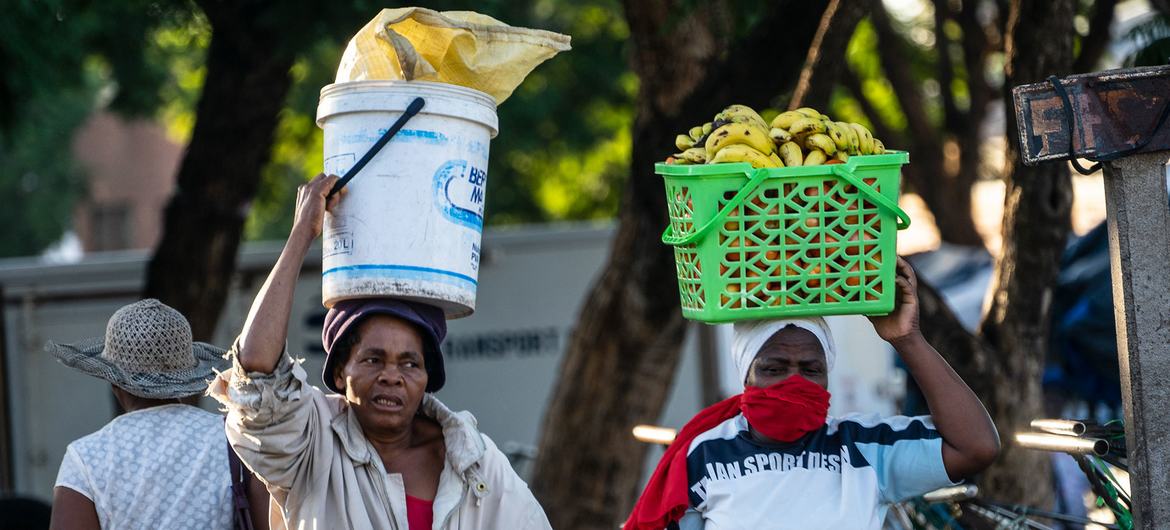
Fruit vendors walk through a market in Harare, Zimbabwe.
© ILO/K.B. Mpofu
 
Fruit vendors walk through a market in Harare, Zimbabwe.


15 August 2024 

Human Rights

Zimbabwean authorities must immediately release human rights defenders who have been arbitrarily detained for over two weeks and drop the charges against them, a group of independent UN human rights experts said on Thursday.

Woman human rights defender Namatai Kwekweza; teacher and labour rights defender Robson Chere, the Secretary-General of Amalgamated Rural Teachers Union of Zimbabwe (ARTUZ), along with a local council member from the capital Harare, Samuel Gwenzi, were forcibly removed from a departing flight at Harare Airport on 31 July, according to a news release from the UN rights office.

Tweet URL

Unidentified men escorted the three to a high security zone within the airport and held them incommunicado for eight hours.

While being held they were reportedly subjected to enforced disappearance, torture and other cruel, inhuman or degrading treatment or punishment, including waterboarding.

They were also severely threatened against protesting in advance of or during the Southern African Development Community (SADC) summit scheduled for 17 to 19 August in the Zimbabwean capital.

‘Inexcusable’ treatment

“The enforced disappearance, incommunicado detention and torture, followed by the arbitrary detention of these human rights defenders is inexcusable, and not only violates international human rights law but also makes a mockery of the safeguards contained in Zimbabwe’s own Constitution,” said the UN Human Rights Council-appointed experts, who do not receive any salary or renumeration for their work.

The rights defenders were charged with “disorderly conduct” under section 41 of the Criminal Law Codification and Reform Act, relating to their alleged participation in a demonstration calling for the release of a detained opposition politician.

Namatai Kwekweza was not even in Zimbabwe at the time of the demonstration in question, the experts reported.

“These baseless charges are being used as a fig-leaf to target human rights defenders and opposition voices for calling for greater democracy, human rights and accountability in Zimbabwe.

“At a time when Zimbabwe is preparing to host the SADC summit, whose values include institutions that are ‘democratic, legitimate, and effective’, it is unconscionable that these human rights defenders working to strengthen such institutions remain arbitrarily detained.”

The activists are still being held by authorities and a further bail hearing has been scheduled for Friday.

Rights expert voices ‘serious concern’ over prosecution of rights defenders in Azerbaijan

The UN independent expert monitoring human rights defenders, Mary Lawlor, expressed serious concern on Thursday over the ongoing detention and prosecution of six human rights defenders and journalists in Azerbaijan.

Tweet URL

“In recent months, I have witnessed an alarming wave of arrests and criminal cases” involving defenders and media workers, Ms. Lawlor said. “I have raised two such cases with the Government that are part of this worrying trend.”

Cases which have sounded the alarm include that of Anar Mammadli, chair of the Election Monitoring and Democracy Studies Center, and journalists of Abzas Media, an outlet dedicated to human rights issues and corruption investigations.

Some were accused of a conspiracy to smuggle money and face up to eight years in prison.

“Anti-corruption investigations, independent election monitoring, and international human rights advocacy are all legitimate human rights work,” said Ms. Lawlor.

‘Clear violations’

“Retaliation for this work and for exercising freedom of expression is a clear violation of international human rights law.”

The Special Rapporteur – who along with other independent experts does not represent any government or work for the UN - expressed alarm over the alleged seizure of electronic devices and documents from the Abzas Media office and the homes of the journalists and human rights defenders who were arrested.

She said confiscating devices could potentially compromise their sources in anti-corruption investigations.

“Azerbaijan’s failure to restore justice in the Mammadli case for over six years exposes the lack of effective remedy within the country and raises concerns that violations of the rights of human rights defenders may be recurring” she said.

Bahrain’s treatment of prisoners comes under human rights spotlight

Finally, to Bahrain where the treatment of prisoners is the focus of an appeal by leading human rights experts, amid protests by detainees and allegations of exposure to soaring temperatures.

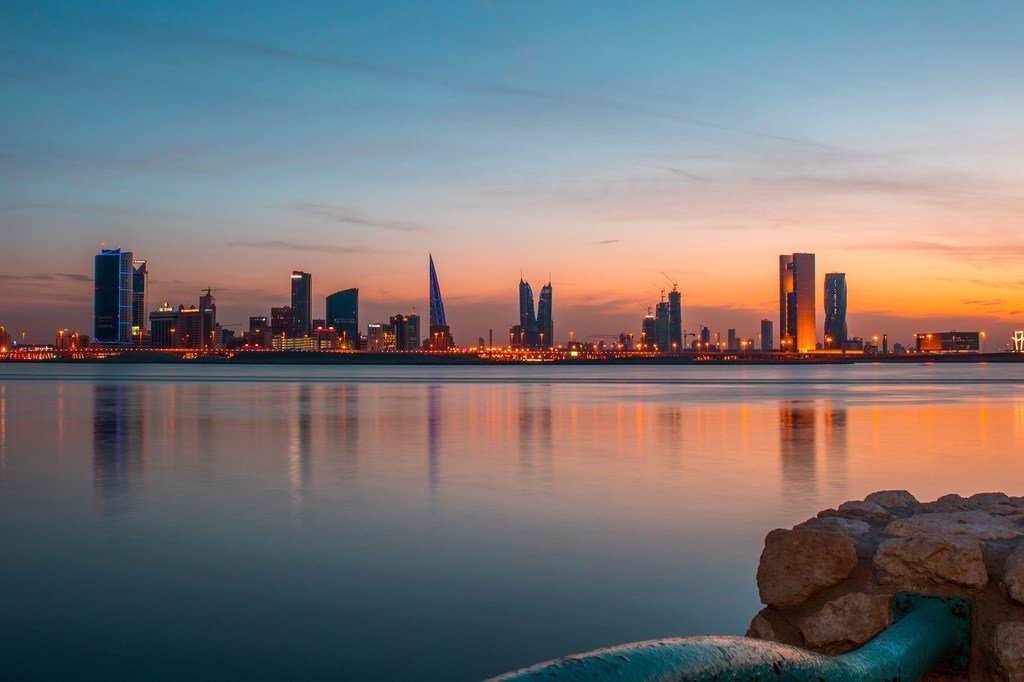
Manama, the capital of Bahrain.
Unsplash/Charles-Adrien Fournier
 
Manama, the capital of Bahrain.

In a call to the Bahraini authorities, the independent experts - who report to the UN Human Rights Council in Geneva - urged “immediate action to safeguard the rights of all prisoners in Jau prison”.

Among the experts, who are not UN staff, Special Rapporteur on torture, Alice Edwards, highlighted worrying allegations that authorities “have cut air conditioning”, exposing prisoners to temperatures in excess of 50 degrees Celsius - or 122 Fahrenheit.

Since March this year, and in response to prisoners’ demands for better conditions, the Special Rapporteur maintained that those held in some buildings are “often” denied medical care “and do not have regular access to adequate food and safe drinking water”.

These conditions “could prove fatal for some detainees” said Ms. Edwards, who along with other independent rights experts urged the Bahraini authorities “to enter into meaningful dialogue with the prisoners and their families about improving conditions”.


https://news.un.org/en/story/2024/08/1153236
https://creativecommons.org/licenses/by/4.0/legalcode

вторник, 13 августа 2024 г.

World News in Brief: Myanmar’s child victims, disenfranchisement in Thailand, aid breakthrough in Syria


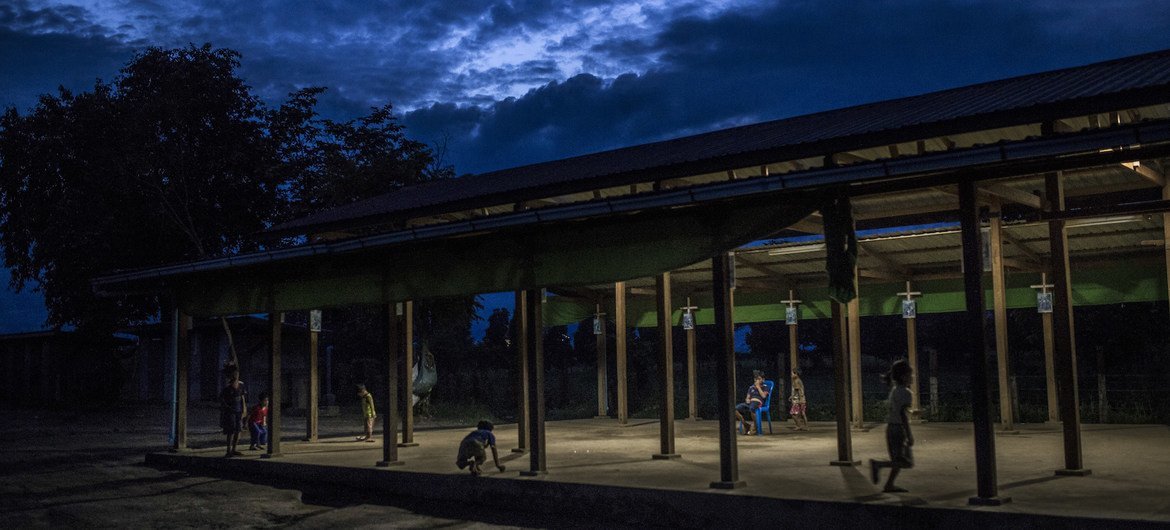
An IDP camp in northern Myanmar. (file photo)
UNICEF/Minzayar Oo
 
An IDP camp in northern Myanmar. (file photo)


12 August 2024 


Peace and Security

The UN on Monday condemned the ongoing escalation of violence in Myanmar that has led to heavy civilian casualties in recent weeks, including children and families.

Many were trying to flee the fighting in towns of Maungdaw in Rakhine state and Lashio in Shan state, UN Deputy Spokesperson Farhan Haq told journalists at the daily briefing in New York.

“These incidents are part of a deeply concerning trend in the intensifying conflict, with civilians bearing the brunt of a conflict that has upended millions of lives,” he said.

Fierce fighting broke out in early July in several parts of the country, ending a ceasefire between the military and a coalition of three ethnic armed groups that had banded together in October last year against the junta, which overthrew the elected government in February 2021.

Children bear the brunt

Children are bearing the brunt of the violence, according to the UN Children’s Fund (UNICEF)

“As violence escalates, families are being forced to make desperate attempts to escape – with reports that some have died or been killed in the process,” the agency said on Friday, underscoring the need for protection and support.

Tweet URL

“Access to critical services and assistance for civilians remains extremely challenging,” it added.

According to estimates, more than 18.6 million people in Myanmar need humanitarian assistance and protection, six million of them children.  

Mr. Haq reiterated the need for all parties to the conflict to abide by their obligations under international humanitarian law and protect civilians and civilian property.  

“Parties should also allow all communities to safely access humanitarian aid,” he said.

Rights experts concerned over dissolution of Thai political party

Staying in the region, two UN independent human rights experts on Monday warned that the recent dissolution of the largest political party in Thailand could disenfranchise millions of voters.

The country’s Constitutional Court on 7 August dissolved the Move Forward Party (MFP) and banned its senior figures, including leader Pita Limjaroenrat, from politics for 10 years.

The Court found that MFP’s efforts to amend article 112 of the Criminal Code (which deals with lèse-majesté crimes), including engaging in social media discussions or political protests over the royal family’s unimpeachable role, were aimed at overthrowing the monarchy.

“We are dismayed by the undemocratic use of the lèse-majesté law as a political tool to dissolve the party that won the largest number of seats in the last general election, and to remove its parliamentarians from politics,” Special Rapporteurs Irene Khan and Gina Romero said in a news release.

Tweet URL

“Political debates, even on sensitive topics, are the oxygen of a democratic society and should not be conflated with violence or sedition,” they stressed.

MFP had won the most seats in the May 2023 general elections in Thailand, securing 151 seats in the 500-member House of Representatives.

Its predecessor, the Future Forward Party, was also dissolved in 2020.

The experts warned that this new disbandment of the party “may well disenfranchise millions of voters”, the news release added.

Special Rapporteurs are appointed by the Geneva-based Human Rights Council and are independent of the United Nations, are not UN staff, and do not draw a salary.

Cross-border aid channels reauthorized in Syria

And to Syria, where the continued use of the Bab al-Salam and al-Rai border crossings points from Türkiye were reauthorized through 13 November.

The crossings are vital connections for the flow of cross-border aid to millions in need in northwest Syria.

“The cross-border operation from Türkiye – which also utilizes the Bab al-Hawa crossing – is a lifeline for aid to northwest Syria, where millions of people need humanitarian assistance, including food, nutrition, health, shelter, protection, education and other critical support,” UN Deputy Spokesperson Farhan Haq told journalists at the press briefing.

He said that for 2024 the UN and humanitarian partners are appealing for just over $4 billion to assist more than 10 million people throughout Syria.

But the UN’s ability to respond continues to be constrained by reductions in funding, with only 24 per cent – some $960 million – received to date, Mr. Haq added.

Fully funded, the plan aims to reach 10.8 million most vulnerable among the 16.7 million estimated to be in need in the country. Current funds, however, mean that only about 28 per cent have been reached thus far.


https://news.un.org/en/story/2024/08/1153111

https://creativecommons.org/licenses/by/4.0/legalcode

четверг, 25 июля 2024 г.

World News in Brief: Rights chief ‘horrified’ at deadly PNG violence, Lebanon-Israel ‘knife edge’, Sudan refugees suffer sexual violence

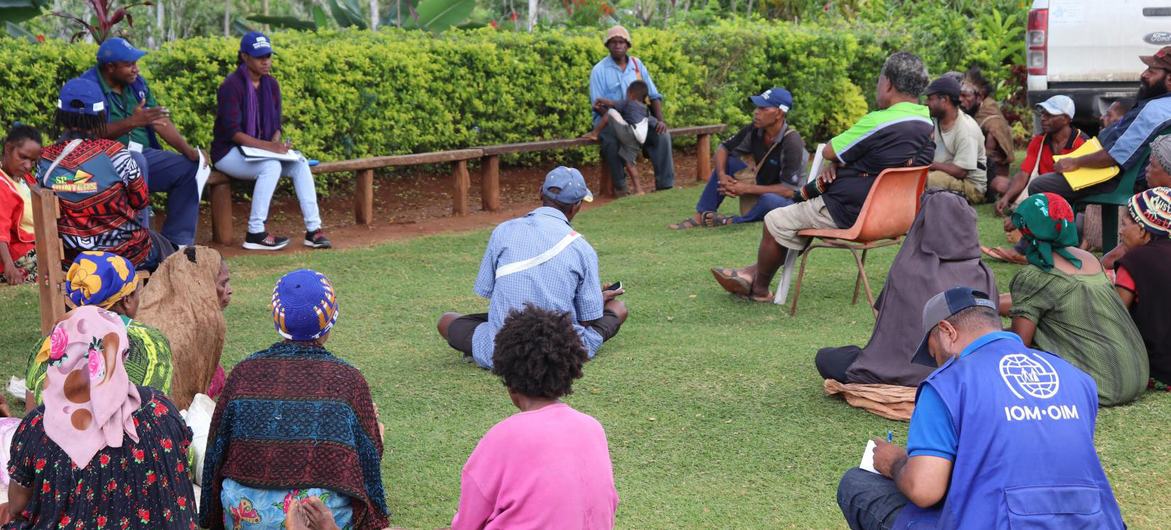
UN migration agency IOM and local authorities conduct an assessment of a displacement-affected community in Southern Highlands, Papua New Guinea (file photo).
© IOM/Peter Murorera
 
UN migration agency IOM and local authorities conduct an assessment of a displacement-affected community in Southern Highlands, Papua New Guinea (file photo).


24 July 2024 

Peace and Security

Recent attacks on three villages in East Sepik province, Papua New Guinea, resulted in at least 26 deaths - including 16 children – an event that has left UN High Commissioner for Human Rights Volker Türk “horrified”, he said in a statement on Wednesday.

The attacks, which took place on 16 and 18 July reportedly occurred because of a land, lake ownership and user rights dispute.

These attacks reportedly stem from conflicts resulting from tribal violence in the southwest Pacific nation in February where about 26 people were also killed.

The UN human rights office (OHCHR) had urged the government at that time to address the issue and ensure the protection of civilians - particularly women and girls.

Preventing more bloodshed

The High Commissioner said the number of those killed in the attacks in East Sepik province could rise to 50 as local authorities continue to look for missing people.

Further, over 200 villagers left the province as their homes were being torched.

“I urge the authorities to conduct prompt, impartial and transparent investigations and to ensure those responsible are held to account,” Mr. Türk said.

“It is also vital that victims and their families receive reparations, including adequate housing, effective protection against further attacks and necessary psychosocial support.”

The High Commissioner also calls on authorities to address the main causes of land and lake disputes in the affected communities to “prevent recurrence of further violence.”

Diplomatic off-ramp to avoid Lebanon-Israel still possible: Special Coordinator

Tweet URL

Lebanon and the wider region remains on a knife edge as the war in Gaza grinds on and exchanges of fire continue across its southern border with Israel, the UN Special Coordinator told the Security Council on Wednesday.

Briefing ambassadors behind closed doors, Jeanine Hennis-Plasschaert gave her update alongside the UN Peace Operations chief Jean-Pierre Lacroix, following the latest report on the UN mission which monitors the so-called Blue Line frontier between Lebanon and northern Israel.

She said Lebanon, along with the wider region, remains on a knife-edge, yet a diplomatic way out is still possible, according to a press release on the proceedings.

Rejecting the notion of an all-out conflict as inevitable, she said both Lebanon and Israel had stated they were not seeking war and she expressed hope that a “Gaza deal” would lead to an immediate return to the cessation of hostilities across the Blue Line.

Tinderbox

The Special Coordinator echoed concerns, however, that a miscalculation by either side could easily ignite a regional war.

She therefore urged no effort be spared to bring both sides back from the brink, while stressing implementation of resolution 1701 as the pathway towards long-term security.

She also explained that, amid an “ongoing presidential impasse” the erosion of State authority and its institutions, was a material fact on the ground.

“She lamented that Lebanese people are forced to survive on remittances or by juggling multiple jobs, and underlined the urgency of reviving progress on economic and financial reforms”, the release issued by her office said.

Sexual violence against Sudanese refugees 'chronically under-reported'

Following disturbing reports of conflict-related sexual violence in the Eastern provinces of Chad, the UN Special Representative who monitors the scourge Pramila Patten visited the Ouaddaï region to assess the situation and meet survivors.

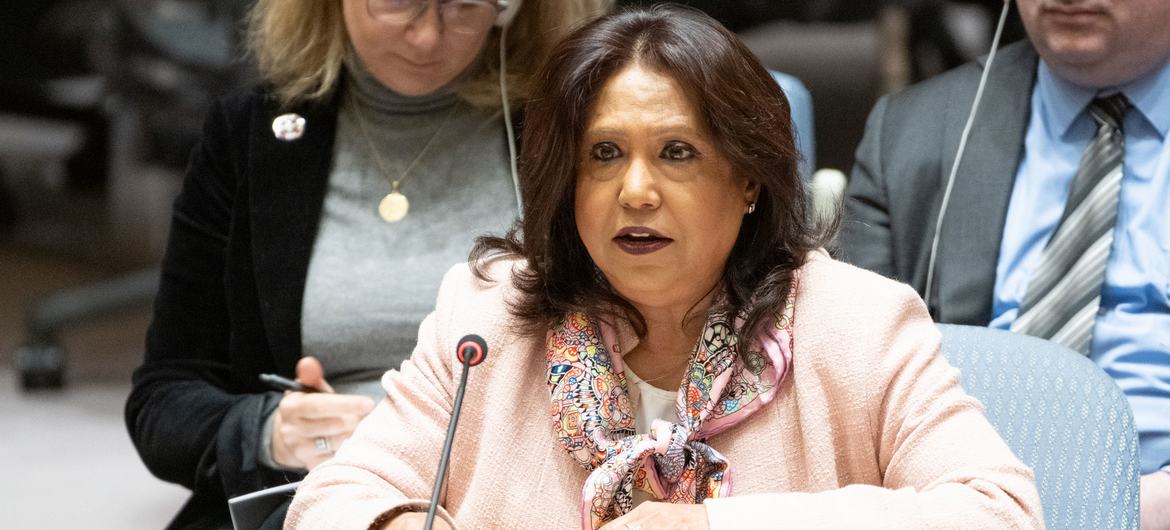
Pramila Patten, Special Representative of the Secretary-General on Sexual Violence in Conflict, briefs UN Security Council members on the situation in the Middle East, including the Palestinian question.
UN Photo/Eskinder Debebe
 
Pramila Patten, Special Representative of the Secretary-General on Sexual Violence in Conflict, briefs UN Security Council members on the situation in the Middle East, including the Palestinian question.

Of the 620,000 refugees who have fled there due to the ongoing hostilities in Sudan, around 90 per cent are women and children.

The numbers of refugees are only increasing, with more than 3,200 people continuing to flee to eastern Chad every week.

Ms. Patten met with refugee women and learned first-hand how sexual violence remains a continuing threat for vulnerable civilians during the ongoing conflict in Sudan.

Cases involved multiple perpetrators, the use of ethnically motivated sexual violence, instances of rape in front of family members and the targeting of women activists and first-responders.

The women also shared their experiences about the challenges they faced in accessing essential services, including legal assistance, mental health care and trauma counselling.

“In any conflict, sexual violence is a chronically under-reported crime, and this case is no exception,” Ms. Patten said.

Surviving without help

“Survivors of sexual violence have not been able to report their cases or access lifesaving assistance due to the magnitude of the crisis, the distance to and paucity of health structures as well as shame and stigma rooted in harmful social norms.”

She said that in most cases, women who were subjected to sexual violence in Sudan or during their flight only sought medical assistance when they realised they were pregnant.

The Special Representative is calling on “all parties to the conflict to comply with international human rights and humanitarian law and in particular to guarantee immediate and complete cessation of all violence against civilians, including sexual violence”.


https://news.un.org/en/story/2024/07/1152481

https://creativecommons.org/licenses/by/4.0/legalcode

четверг, 18 июля 2024 г.

World News in Brief: Bangladesh student protests, South Sudan attacks continue, opportunity knocks for climate action in Africa


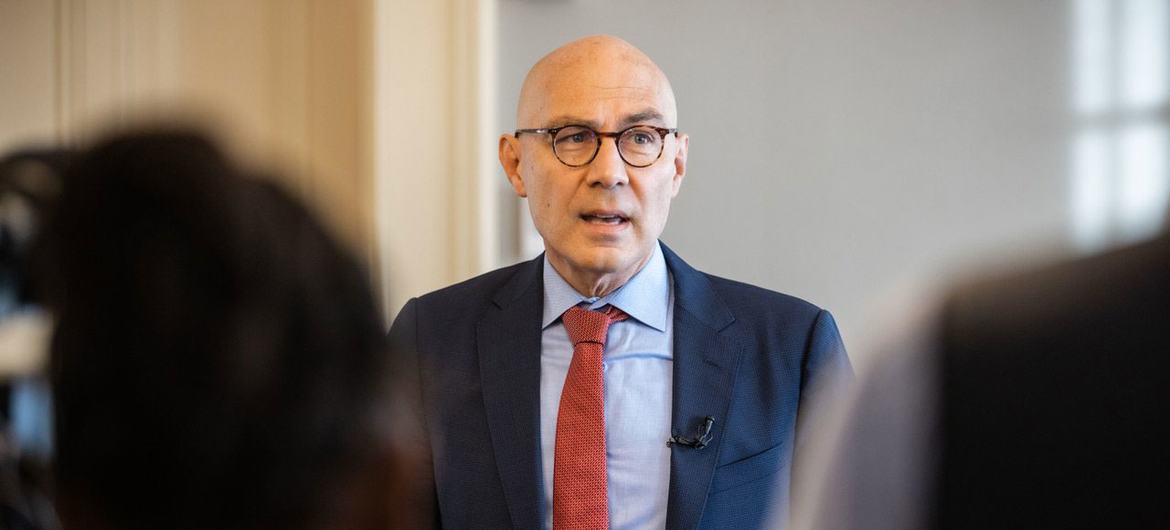
United Nations High Commissioner for Human Rights Volker Türk.
OHCHR
 
United Nations High Commissioner for Human Rights Volker Türk.


17 July 2024

 Human Rights

As violent protests continued at university campuses in Bangladesh on Wednesday, the UN High Commissioner for Human Rights urged authorities to engage with students demanding an end to the quota system for government jobs amid rising unemployment. 

The demonstrations erupted two weeks ago, and students have been clashing with their pro-government counterparts and the police in the capital, Dhaka, and other cities. 

Tweet URL

The Bangladeshi Government closed all public and private universities after the protests turned deadly on Tuesday, with six people killed and scores injured, according to media reports.

Writing on social media, UN rights chief Volker Türk said that all acts of violence and use of force, especially resulting in the loss of life, must be investigated and perpetrators held to account.

“Freedom of expression and peaceful assembly are fundamental human rights,” he added.

The students are protesting quotas which reserve a third of government jobs to the children of veterans of the 1971 war of independence from Pakistan. 

The quotas were abolished in 2018 but reinstated earlier this month. 

South Sudan: Community-based militias continue attacks on civilians 

Widespread attacks against civilians - driven primarily by sub-national armed violence involving community-based militias and civil defense groups — are continuing in South Sudan, the UN Mission in the country, UNMISSsaid on Wednesday in its latest quarterly report.

Between January and March, UNMISS documented 240 incidents of violence impacting 913 civilians nationwide. 

Of this number, 468 were killed, 328 injured and 70 abducted, with 47 subjected to conflict related sexual violence. This represents a 24 percent rise compared to the 194 violent incidents reported during the same period in 2023. 

The Mission said inter and intra-communal violence by community-based militias and/or civil defense groups remains the primary source of sub-national violence, accounting for 87 percent of victims, or 796 persons.

On a positive note, the report also showed a 30 per cent decrease in the number of documented abductions compared to the fourth quarter of 2023 (from 100 to 70).  Similarly, incidents of conflict-related sexual violence decreased by 25 per cent, of from 63 to 47.

The Head of UNMISS, Nicholas Haysom, called for collective action by authorities and communities to resolve longstanding grievances peacefully, particularly as South Sudan approaches its first elections, scheduled for December. 

“Building a culture of human rights is fundamental to achieving sustainable security, peace, and democracy,” he said.

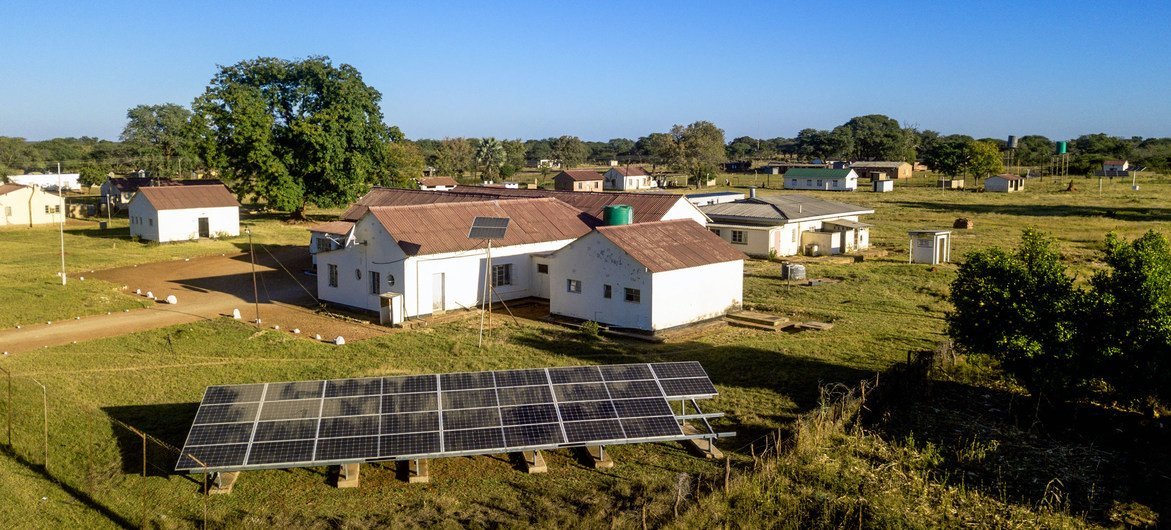
Solar panels help to power the a rural hospital in Bulawayo, Zimbabwe.
UNDP/Karin Schermbrucker for Slingshot
 
Solar panels help to power the a rural hospital in Bulawayo, Zimbabwe.

New UNDP report highlights climate action opportunities in Africa 

Also on Wednesday, the UN Development Programme (UNDP) launched the third edition of its Africa Investment Report Climate Opportunities at the Africa Impact Summit 2024 in Nairobi, Kenya.

The report outlines private sector opportunities with economic, social and environmental potential for sustainable development in Africa, and presents data and trends on Sustainable Development Goals (SDGs) investments across the continent. 

“Through the UNDP Africa Investment Insights Report, we turn Africa’s climate challenges into investment opportunities for the private sector, as per the continent’s own ambition captured in national NDCs,” said Maxwell Gomera, Director of the UNDP Africa Sustainable Finance Hub.

Private sector opportunity

This third edition of the report highlights climate-related investment opportunities using insights from 16 African SDGs Investor Maps. Partnering with UNDP’s Climate Promise, it shows how the private sector can support African countries' Nationally Determined Contributions (NDCs) under the Paris Agreement. 

The report emphasises that climate action presents significant opportunities for the private sector, with over half of the identified SDGs investment opportunities in Africa contributing to climate action and NDCs.  

Mr. Romera said UNDP is calling on investors to participate in “realising opportunities for positive climate action.” 


https://news.un.org/en/story/2024/07/1152221

https://creativecommons.org/licenses/by/4.0/legalcode

среда, 17 июля 2024 г.

World News in Brief: Sudan displacement ‘grim milestone’, UN deputy chief in West Africa, Côte d’Ivoire joins UN water treaty


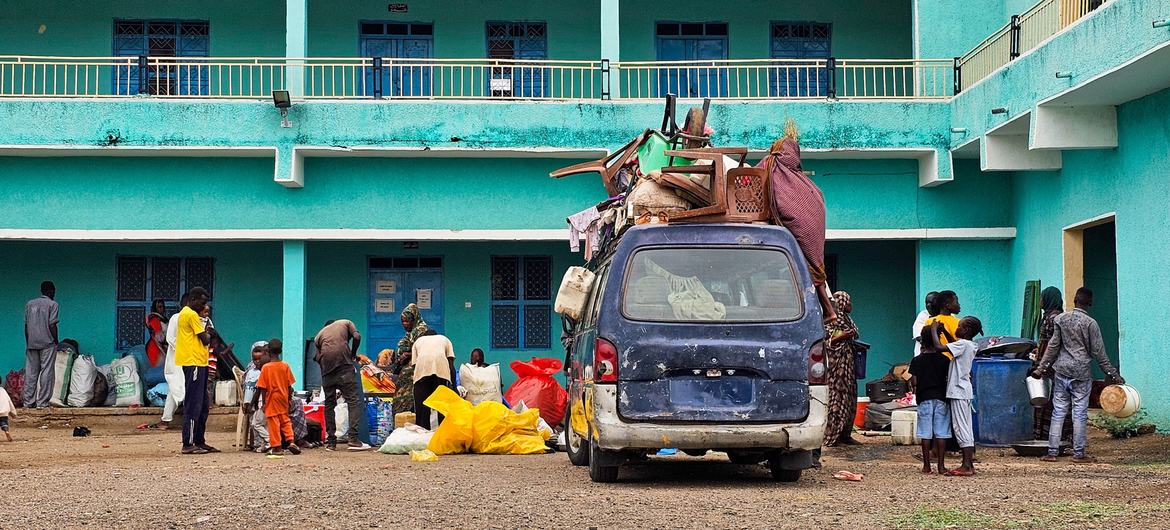
Families arrive at a school in Gedaref after fleeing Sinja in southern Sudan.
© UNICEF/Osman Rajab
 
Families arrive at a school in Gedaref after fleeing Sinja in southern Sudan

16 July 2024 
Peace and Security

More than 10 million people in Sudan have been displaced since war erupted last April, UN Spokesperson Stéphane Dujarric said on Tuesday, citing the International Organization for Migration (IOM). 

The “grim milestone” means that 20 per cent of the population has been forced to flee in the span of just 15 months, he added.

“The majority of those displaced are inside the country – that is almost eight million human beings – and over half of those are children,” said Mr. Dujarric, speaking during his daily media briefing from UN Headquarters in New York.

“Meanwhile, more than two million people have crossed into neighbouring countries, countries that often are facing their own humanitarian challenges.” 

Major humanitarian challenges 

Mr. Dujarric said the humanitarian community in Sudan is doing everything possible to scale up assistance for people in need, including those who have fled the fighting. 

On Tuesday, the UN refugee agency, UNHCR, reported the delivery of relief items for some 2,000 displaced and vulnerable families in East Darfur.

This followed the announcement over the weekend by the World Food Programme (WFP) that food assistance had been delivered for more than 120,000 internally displaced people in South Kordofan. 

He warned, however, that aid organizations in Sudan continue to face major challenges, including the ongoing insecurity, access constraints, and funding shortfalls.  

“Although the funding for this year’s Humanitarian Response Plan has increased over the past week, we are still at just 30 per cent of funding more than halfway through the year, with $820 million so far received in cash of the $2.7 billion that are needed,” he said.

On behalf of the UN, he appealed “to those who have pledged to turn those pledges into cash, and those who have not pledged to turn in pledges and cash.” 

UN deputy chief on West Africa mission to review SDG challenges

UN Deputy Secretary-General Amina Mohammed arrived in Senegal on Tuesday – the first stop on a mission to West African countries where she will take stock of challenges in delivering the Sustainable Development (SDGs) and work with stakeholders to find pathways towards acceleration.

Her visit follows the SDG Summit held at UN Headquarters last September to ramp up progress towards achieving the 17 goals before the 2030 deadline.

Tweet URL

Ms. Mohammed held meetings in the Senegalese capital, Dakar, with President Bassirou Diomaye Faye, and the Ministers for Finance, the Economy and Foreign Affairs.

Reaffirming UN support

“During those meetings, the Deputy Secretary-General reaffirmed our support to the Government toward key transitions to achieve the SDGs, including food systems transition, renewable energy, and the digital economy,” UN Spokesperson Stéphane Dujarric told journalists in New York.

Ms. Mohammed is scheduled to meet with Prime Minister Ousmane Sonko on Wednesday, and with the UN country team and civil society representatives, including women and youth groups.

She will then depart Senegal for Conakry, Guinea, to continue her tour of the region, which will also take her to Mali. 

Following the visit, Ms. Mohammed will head to Ethiopia to preside over the opening of the First session of the Preparatory Committee for the Fourth International Conference on Financing for Development.  

Côte d’Ivoire joins UN treaty on cross-border water management 

Côte d’Ivoire has become the latest country to sign on to a UN treaty to improve joint water management across borders, the UN Economic Commission for Europe (UNECE) said on Tuesday. 

The West African nation is the 53rd Party, and the 10th in Africa, to join the UN Water Convention, officially the 1992 Convention on the Protection and Use of Transboundary Watercourses and International Lakes.  

The move further consolidates the strong momentum for water cooperation in Africa, where over 90 per cent of water resources are in 63 basins shared by two or more countries, according to the UNECE, which services the Convention. 

“Côte d’Ivoire’s accession is a milestone for multilateralism and reaffirms the role of the UN Water Convention as a tool to support water cooperation for peace, sustainable development and climate change adaptation across borders,” said Tatiana Molcean, the UNECE Executive Secretary.  

Côte d’Ivoire has a population of some 30 million and shares eight transboundary river basins with neighbouring countries, including Ghana, Burkina Faso, Mali, Guinea, Liberia and Sierra Leone.  

Meeting the water needs of the country’s population, which is growing by 2.5 per cent annually, brings significant challenges in the face of threats such as urbanisation, and climate change impacts - including drought and flooding.

At the same time, water quality is deteriorating due to pollution from agricultural, industrial waste, illegal gold panning and untreated wastewater. Water resources are also unevenly distributed across the country, with the north and north-east particularly affected.  

“In the context of increasing water scarcity and high demand for water in Africa, Côte d’Ivoire's accession as the 10th African Party to the 1992 Water Convention is a significant step for the continent,” said Claver Gatete, Executive Secretary of the UN Economic Commission for Africa (UNECA).

Parties to the Convention will next meet in Ljubljana, Slovenia, in October. 


https://news.un.org/en/story/2024/07/1152186

https://creativecommons.org/licenses/by/4.0/legalcode

пятница, 12 июля 2024 г.

World News in Brief: Concern mounts over fate of El Fasher, call for consensus over South Sudan elections, indigenous rights in Brazil


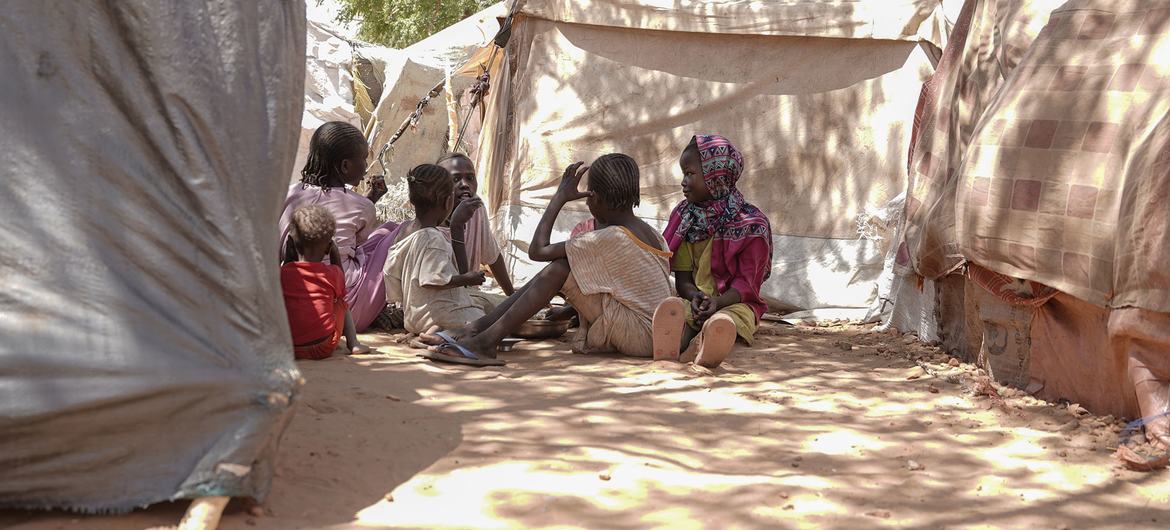
Children shelter in the shade in Tambasi centre in El Fasher, North Darfur.
© UNICEF/Mohamed Zakaria
 
Children shelter in the shade in Tambasi centre in El Fasher, North Darfur.


11 July 2024 

Peace and Security

UN humanitarians “remain gravely concerned” over the daily fighting that continues to rage in and around the Sudanese city of El Fasher, UN Spokesperson Stéphane Dujarric said on Thursday.

Residential areas, markets, hospitals and sites holding displaced people are all being impacted, he told reporters at the daily briefing in New York.

Tweet URL

As many as 329,000 people were displaced during the past three months from the last remaining city under Government control in Darfur, according to the UN migration agency (IOM).

Civilians must be protected and those fleeing the fighting must be afforded safe passage, said Mr. Dujarric.

“It is critical that the parties de-escalate to prevent further suffering for civilians and to enable the unimpeded delivery of life-saving assistance”, he stressed.

Response continues

“Meanwhile, we and our partners continue our efforts to respond to those needs, including by trying to get health kits to areas around El Fasher, including in gathering sites for civilians.”  

The UN Children’s Fund (UNICEF) is also strengthening nutrition support at displacement sites in El Fasher, as well as the towns of Tawila and Dar As Salam in North Darfur state.

Conflict is also intensifying in Sennar state – close to the border with Ethiopia – causing further civilian suffering and more serious rights violations, UN humanitarians have warned.

According to the UN aid coordination office (OCHA), more than 136,000 people have been displaced as clashes between the rival Sudanese Armed Forces (SAF) and Rapid Support Forces (RSF) militia spread across the state.

Civilians are facing multiple protection risks, including widespread looting. Reports indicate that the RSF has occupied Sinja Teaching Hospital, using patients and staff as human shields and disrupting medical services.

Forced displacement has spread to neighbouring states including Gedaref, Blue Nile and Kassala, where humanitarian partners are scaling up their response. But aid teams have warned that the rainy season has begun and conditions at displacement sites are dire.

OCHA is already working with state authorities and humanitarian partners to address the crisis. But it warned that the situation is getting worse as protection concerns grow, with civilians reporting looting of shops and markets, leaving them without basic needs.

UN Mission in South Sudan calls for consensus on electoral roadmap

The UN Mission in South Sudan (UNMISSpublished a joint statement on Thursday urging the parties to the long-delayed peace agreement “to reach consensus” on the best way forward for holding free and fair elections across the world’s youngest nation.

UNMISS, the African Union Mission in South Sudan, and the regional bloc known as the Intergovernmental Authority on Development (IGAD) began their statement by congratulating the country on its 13th anniversary of independence.

But they urged the Government and political rivals who six years ago signed the so-called Revitalized Agreement on the Resolution of Conflict to “provide clarity on the electoral roadmap.”

Reflect ‘will of the electorate’

They noted the numerous different positions being adopted and expressed on transition measures, saying that while it was “the sovereign prerogative” of South Sudanese leaders to decide, the pathway to successful elections must happen “in accordance with agreed processes, procedures, and timelines.”

National elections are due to be held in December but there is no agreement yet on the basic ground rules for moving forward.

Hundreds of thousands of South Sudanese died and millions were displaced during the 2013-18 war between Government forces and rival militia but although some issues have been resolved, many remain outstanding.

The AU mission, IGAD and UNMISS appeal for everyone to work collectively: “In this regard, the partners reiterate their full support for all efforts to ultimately deliver peaceful, free, fair, and credible elections that reflect the will of the electorate.”

Soundcloud

Rights expert calls on Brazil to protect indigenous rights amid controversial new law

Tweet URL

The UN is calling on the Brazilian Supreme Court and Senate to protect the rights of Indigenous Peoples to lands, territories and natural resources.

UN Human Rights Council-appointed independent rights expert José Francisco Calí Tzay is urging immediate action to suspend the new law that can dispossess or evict indigenous communities.

Mr. Calí Tzay praised the Brazilian Supreme Court for rejecting the ‘Marco Temporal’ doctrine that requires Indigenous Peoples to prove they were occupying their lands on October 5, 1988.

But he said he was very concerned over the hasty passage of the new law by Congress that effectively brings back the doctrine.

Beyond the bounds

The rights expert argued that the law goes against international human rights standards that protect indigenous rights without time limits.

He stressed the importance of indigenous lands for biodiversity and climate balance and warned that mining, gold exploitation and cattle breeding can cause significant environmental damage.

He also called on the Supreme Court to suspend the law until it’s declared constitutional.

Special Rapporteurs and other Human Rights Council-appointed rights experts are independent of any government, receive no salary for their work and serve in their individual capacity.


https://news.un.org/en/story/2024/07/1152006


https://creativecommons.org/licenses/by/4.0/legalcode

вторник, 2 июля 2024 г.

World News in Brief: UN responds to Bangladesh floods, sports and human rights, polio vaccination in Angola

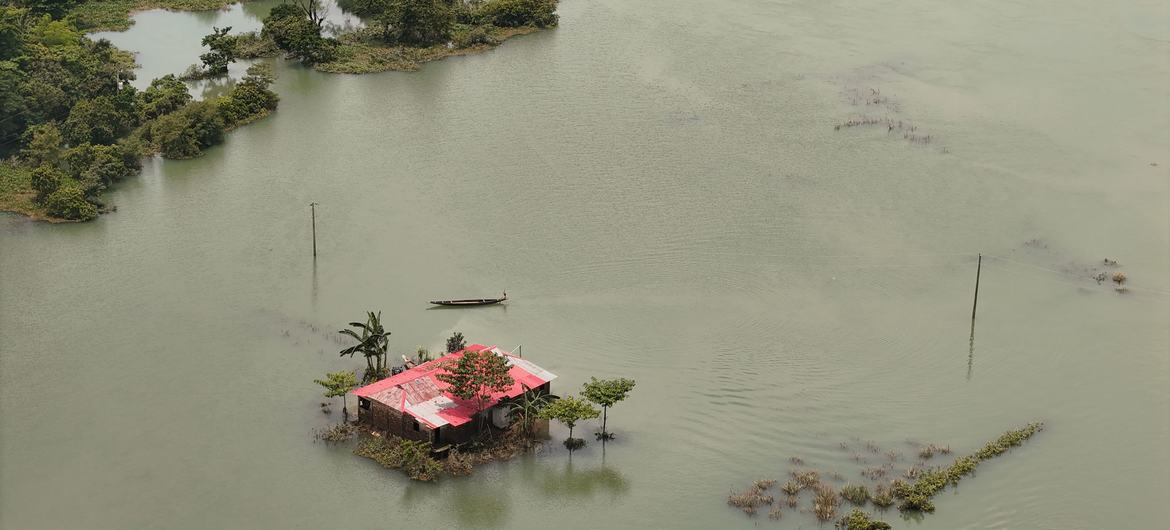
Heavy monsoon rains have caused severe floods in northeastern Bangladesh.
© WFP/Nihab Rahman
 
Heavy monsoon rains have caused severe floods in northeastern Bangladesh.


1 July 2024 
Humanitarian Aid

The UN emergency food relief agency is providing vital assistance to communities affected by the severe flooding in northeast Bangladesh, the agency said on Monday.

About 1.4 million people are estimated to have been left in dire straits, as heavy rains lashed Sylhet and Sunamganj districts, as well as areas upstream, in India.

“Our priority is to ensure that the most vulnerable families, who were already facing hardships and are now having their lives and livelihoods upended again by the floods, can meet their essential food and nutritional needs,” said Simone Parchment, UN World Food Programme (WFP) Bangladesh Deputy Country Director.

The agency’s field office in Sylhet, is supporting Government-led relief efforts, distributing fortified biscuits to over 23,000 families to help them meet their immediate needs.

WFP also plans to provide cash assistance to these 23,000 and an additional 48,000 households it pre-identified as part of its preparedness efforts.

Further heavy rains are forecast in the affected regions and adjoining catchment areas over the coming days, which could worsen the flood situation, according to reports.

World of sports is not immune from human rights challenges: UN rights chief

Tweet URL

Despite the sporting ideal of equality and fair opportunities, athletes encounter many forms of rights violations and abuses, the UN High Commissioner for Human Rights, Volker Türk warned on Monday.  

Speaking at the UN Human Rights Council in Geneva, just weeks from the beginning of the Paris 2024 Olympics, Mr. Türk insisted that “mega sporting events” with “enormous” reach such as the football World Cup, and the Olympic and Paralympic games should serve as platforms to advocate against inequalities.

“The world of sports is not immune from human rights challenges, including when mega events are organized. And some worrying issues are more visible than others,” Mr. Türk said.

Among these issues, Mr. Türk highlighted racist or sexist incidents, abuse, violence against women, corruption, discrimination on the basis of religion or religious attire, disability, nationality, or sexual orientation and gender identity.

Mr. Türk welcomed the decision of some businesses in the sports world to align their practices with the UN Guiding Principles on Business and Human Rights.

He said that human rights policies and grievance mechanisms are increasingly being included in large-scale sport events, referring to a case in Spain where football fans were punished for racially abusing the Brazilian forward Vinicius Junior.

WHO supports vaccination campaign in Angola

In health news, authorities in Angola, supported by UN agencies, have initiated a vaccination campaign to curb the spread of polio and protect children from childhood paralysis.

Polio is a highly infectious disease caused by a virus that invades the nervous system and can cause total paralysis within hours. While there is no cure for polio, it can be prevented through vaccination.

According to the UN World Health Organization (WHO), which is supporting the Government, the central objective of the campaign is to increase the immunity of children under five to quickly interrupt the virus’s transmission in the country.

The programme aims to achieve at least 95 percent vaccination coverage in all districts, identify suspected cases, and raise awareness of routine vaccination.

Vaccination teams will go from house to house to ensure that no child is left unvaccinated, and fixed posts will be available in highly populated areas.

The first round of the vaccination campaign in May 2024 successfully vaccinated over 5.5 million children across the country, covering the entire target group at risk.

In the second round of the vaccination campaign, as in previous initiatives, vaccination teams will continue their house-to-house efforts, and fixed posts will be available in health facilities, markets, churches, schools, nurseries, and other places of high population concentration, WHO said


https://news.un.org/en/story/2024/07/1151676


https://creativecommons.org/licenses/by/4.0/legalcode

суббота, 29 июня 2024 г.

World News in Brief: Burkina Faso, refugees and climate change, Afghan women deserve seat in Doha: CEDAW


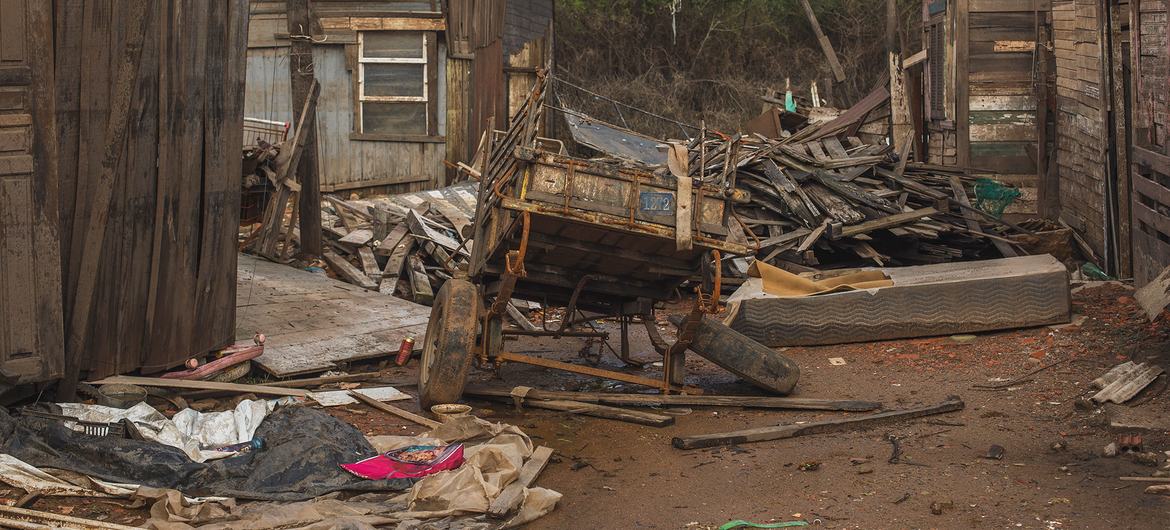
An area of Porto Alegre in southern Brazil, once home to refugee families, that was devastated by unprecedented floods in May 2024.
© UNHCR/Ricardo Ara
 
An area of Porto Alegre in southern Brazil, once home to refugee families, that was devastated by unprecedented floods in May 2024.


28 June 2024 
Humanitarian Aid

Resources are desperately needed to ramp up aid supplies for Burkina Faso, a landlocked country in West Africa, which is staring at an “unprecedented humanitarian crisis”, according to the UN Office for Coordination of Humanitarian Affairs (OCHA).

More than six million people across the country – about a third of the population – need humanitarian support and protection, UN Spokesperson Stephané Dujarric said on Friday.

Tweet URL

“The UN and its humanitarian partners are supporting the Government's efforts to meet people’s immediate needs,” he told correspondents in New York.

“Working through the Humanitarian Response Plan, aid organizations have so far assisted more than 730,000 people across Burkina Faso in 2024. While this is a good start, it represents just 19 per cent of the 3.8 million people we are aiming to assist,” he added.

However, halfway into the year, the $935 million Humanitarian Response Plan for 2024 is only 17 per cent funded - at $157 million.

Fully funded, the plan aims to reach about 3.8 million most vulnerable with assistance, including women, children and persons with disabilities.

Multifaceted crisis

Climate-induced disasters alongside a dramatic deterioration in security situation have resulted in a complex, multifaceted crisis in the West African landlocked nation.

Between November last year and April, almost 1,800 people were reportedly killed in Burkina Faso, allegedly by both armed groups and State actors.

In one particularly abhorrent incident, over 220 civilians, including 56 children, were reportedly killed in by uniformed troops in two villages in the north on a single day in late February.

The country has been under military rule since early 2022 amid an insurgency by extremist militants which triggered a series of coups and counter coups.

UNHCR sounds alarm as climate change pounds displaced communities

Severe flooding in southern Brazil last month has claimed at least 170 lives, displaced over 600,000 people and affected approximately 2.39 million in total.

Tweet URL

Among those impacted are 43,000 refugees and others in need of international protection, including Venezuelans, Haitians and Cubans, according to the UN refugee agency, UNHCR, which warned on Friday that devastating extreme weather events and disasters are uprooting displaced communities and forcing them to start from zero once again.

As the frequency, intensity, and magnitude of climate disasters are expected to increase, UNHCR Special Advisor for Climate Action Andrew Harper appealed for the inclusion of refugees and other displaced populations in governments’ social protection schemes.

He said risk mitigation, reconstruction, contingency and adaptation plans were also sorely needed.

Mr. Harper explained that catastrophic floods, earthquakes, cyclones, storms and heatwaves have devastated communities of people on the move in Africa, the Americas, Asia, and beyond – with no end in sight.

Focus on Africa

In East Africa and the Great Lakes region, hundreds of thousands are still struggling with the severe impacts of devastating floods that swept through the region between April and May this year, he added.

And in the hardest-hit countries – Burundi, Ethiopia, Kenya, Rwanda, and Somalia – many refugees’ homes have been destroyed and critical infrastructure damaged.

Mr. Harper warned that there is also high risk of flooding in Sudan and South Sudan, where heavy seasonal rains are affecting areas hosting thousands of people fleeing the year-long deadly conflict in Sudan.

The UNHCR official also highlighted severe vulnerabilities in Chad, which has welcomed 600,000 Sudanese refugees since the start of the war, and where heavy rains are now damaging fragile refugee shelters and infrastructure in the east.

As the situation is expected to worsen over the course of the year, UNHCR launched an appeal on Friday for nearly $40 million to assist and protect 5.6 million refugees, returnees, internally displaced people and local communities in Burundi, Ethiopia, Somalia, Rwanda, South Sudan and Sudan.

Afghan women and girls should have seat at the table in Doha

The UN Committee on the Elimination of Discrimination against Women (CEDAW) on Friday expressed “deep concern” over the apparent “exclusion” of women and girls from the upcoming UN-organized meeting on the future of Afghanistan, scheduled to begin this weekend in Doha, Qatar.

The Committee is calling for active and direct inclusion of women in these discussions as Afghan women endure the most serious crisis facing women’s rights worldwide.

Failure to ensure participation will only further silence Afghan women and girls who are already facing escalating violations of their rights, CEDAW members said in a press statement.

“The Committee has, time and again, expressed concern at the deteriorating situation of women and girls in Afghanistan, causing immense and irreversible harm to current and future generations”, the statement said.

“The continued denial of education and employment, restrictions on movement and curtailed presence in public spaces, has increasingly entrenched exclusion of women from public life since the Taliban takeover in August 2021.”

Disempowerment continues

The de facto authorities’ recent decision to reduce salaries of women civil servants barred from employment, regardless of experience or qualifications, reflects an additional deliberate and harmful act of disempowerment, the Committee stressed.

“The failure to include Afghan civil society, including women human rights defenders, as meaningful participants in the Doha discussions, will render the rights of women and girls inadequately addressed.”

Members said excluding women and girls from these discussions will only serve to undermine the credibility and effectiveness of the Doha meeting.

The Committee monitors the implementation of the Convention on the Elimination of All Forms of Discrimination Against Women (CEDAW). It is composed of independent human rights experts, elected by secret ballot by States parties. They are not UN staff and do not draw a salary.


https://news.un.org/en/story/2024/06/1151636


https://creativecommons.org/licenses/by/4.0/legalcode.en