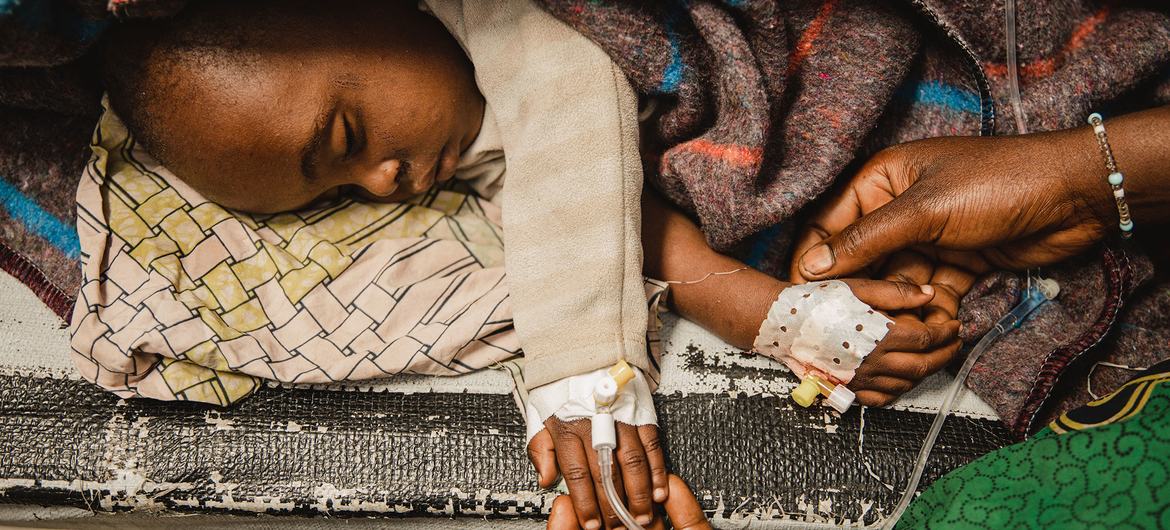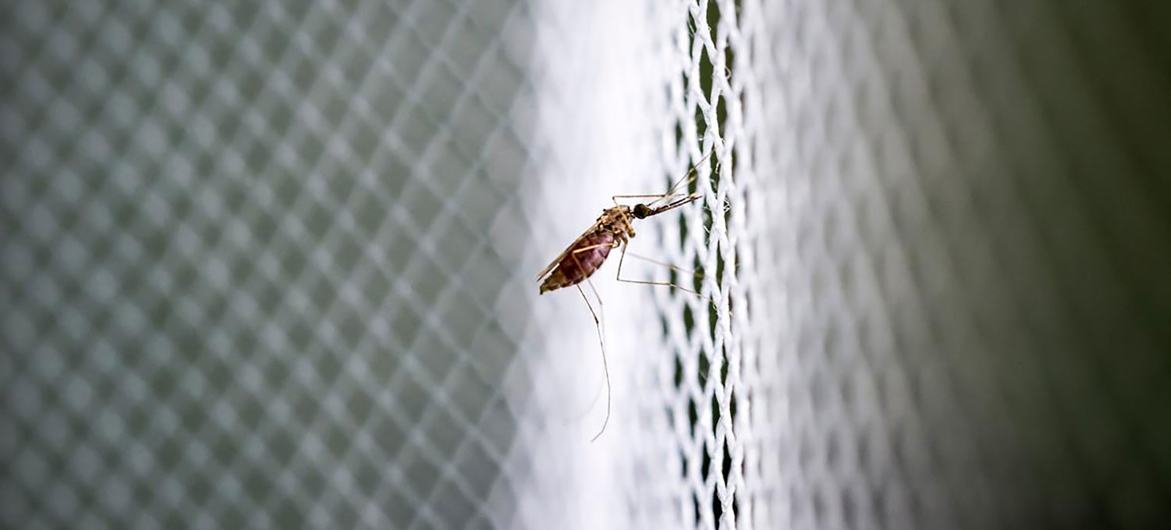
The World Health Organization (WHO) has officially certified Egypt as malaria-free. The achievement marks the culmination of a century-long effort to eradicate a disease that has plagued the nation since ancient times.
“Malaria is as old as Egyptian civilisation itself, but the disease that plagued pharaohs now belongs to its history and not its future,” said Tedros Adhanom-Ghebreyesus, WHO Director-General.
“This certification of Egypt as malaria-free is truly historic, and a testament to the commitment of the people and Government of Egypt to rid themselves of this ancient scourge.”
Egypt’s success story represents a significant victory in the global fight against malaria, especially for a country with a population exceeding 100 million.
Growing list
In the WHO Eastern Mediterranean region, Egypt becomes only the third country to receive this certification, following the United Arab Emirates and Morocco.
Egypt joins a group of 44 countries and one territory worldwide that have achieved this status.
Tedros emphasised the broader implications of this achievement.
“I congratulate Egypt on this achievement, which is an inspiration to other countries in the region, and shows what’s possible with the right resources and right tools.”
UN ready to support Cuba, as millions left without power
The UN Country Team in Cuba stands ready to support the Caribbean nation and mobilise technical assistance amidst reports of rolling power outages and a slow-moving tropical storm which threatens flooding in both urban and rural areas.
Cuba’s power grid reportedly failed on Friday after weeks of rolling outages, leaving an estimated 10 million without electricity. There have been three other crashes up to Monday, all of which is being compounded by Tropical Storm Oscar, which made landfall on Sunday.
According to news reports, the Cuban Government has said the weeks of worsening blackouts are due to infrastructure problems, fuel shortages and rising demand, together with the impact of the United States trade embargo and an inability to acquire spare parts for Cuba’s oil-fired fuel plants, resulting from economic sanctions.
Significant rain
“The strong but slow-moving storm has generated significant rainfall in the eastern and central parts of Cuba over the past few days,” said UN Deputy Spokesperson Farhan Haq, at the regular press briefing in New York on Monday.
“The slow movement of the storm at only four kilometres an hour will compound the situation with more rainfall and potential flooding in the coming hours.”
He said the UN was aware of the reported ongoing outages adding that under the leadership of the Resident Coordinator in Cuba Francisco Pichon, “we stand ready to support and mobilise technical assistance if needed. The UN Emergency Technical Team is activated and in touch with national counterparts.”
Mr. Haq said the storm was also impacting the Bahamas where the UN is working together with local and regional authorities to respond as necessary.
Guterres calls for swift probe into killing of opposition figures in Mozambique
UN Secretary-General António Guterres has appealed for calm in Mozambique following the killing of two opposition figures amid a dispute over elections held earlier this month.
Elvino Dias, legal advisor to presidential candidate Venâncio Mondlane, and Paulo Guambe, the legal representative of the political party PODEMOS, were gunned down in the capital, Maputo, on Friday night.
PODEMOS rejected provisional results of the 9 October presidential elections which showed that the FRELIMO party, which has ruled Mozambique for nearly 50 years, was in the lead.
Secretary-General Guterres urged the authorities to swiftly investigate the killings and bring the perpetrators to justice.
He called on all Mozambicans, including political leaders and their supporters, to remain calm, exercise restraint and reject all forms of violence ahead of the official announcement of the electoral results.
He also reaffirmed the UN’s unwavering support to peace and stability in Mozambique during this important phase in the country’s history.
WHO supports South Sudan amid severe flooding
The World Health Organization (WHO) is working with authorities and partners in South Sudan as the country faces some of the worst flooding in decades, affecting 42 out of 78 counties and impacting some 890,000 people.
Although heavy downpours during the rainy season between April and November often trigger floods, they have become increasingly severe due to climate change, WHO said.
So far, more than 226,000 people have been displaced, and roads and key infrastructure have been submerged. This includes 58 health facilities, while nearly 90 others are inaccessible.
The floods have exacerbated the already dire humanitarian situation in the country, which is hosting almost 800,000 refugees and returnees fleeing the war in neighbouring Sudan.
Most refugees and returnees pass through Renk county in Upper Nile state, where two suspected cholera cases have been detected. Meanwhile, malaria is on the rise, with more than 120,000 suspected cases and 31 suspected deaths as of late September.
WHO has distributed about 88 metric tonnes of emergency health kits to Renk and other key locations to assist flood-affected communities. The kits can treat over 870,000 people and include critical medical supplies such cholera treatment and antimalarial drugs..
https://news.un.org/en/story/2024/10/1155936