Показаны сообщения с ярлыком Somalia. Показать все сообщения

пятница, 16 августа 2024 г.

Security Council Extends Authorization of African Union Transition Mission in Somalia until 31 December, Unanimously Adopting Resolution 2478 (2024)


9708th Meeting (PM)
SC/15793


The Security Council today extended its authorization of the African Union Transition Mission in Somalia (ATMIS) until the end of the year, expressing grave concern that Al-Shabaab continues to pose a serious threat to the peace, security and stability of Somalia and the region. 

Today’s vote follows the adoption on 12 August of resolution 2747 (2024), a technical rollover that extended the Mission’s authorization by three days.  

Unanimously adopting resolution 2748 (2024) (to be issued as document S/RES/2748(2024)), the Council authorized African Union member States to continue to deploy up to 12,626 uniformed personnel, inclusive of 1,040 police personnel, to ATMIS until 31 December 2024. 

It encouraged traditional and new donors to support ATMIS, the United Nations Support Office in Somalia (UNSOS) administered Trust Fund in support of Somali security forces, as well as the proposed successor mission in order to enable Somalia to bolster its fight against Al-Shabaab. 

By other terms, the 15-member organ requested the Secretary-General to continue providing a logistical support package, through the UN Support Office in Somalia (UNSOS) and decided to continue support for 20,900 personnel from the Somali National Army or Somali National Police Force, on joint or coordinated operations with ATMIS, until 31 December. 

 The Secretary-General, jointly with the African Union Commission Chairperson and in consultations with Somalia and international stakeholders, was asked to report by 15 November on the overall mission design for the proposed successor mission, guided by a clear national political strategy to support the Federal Government of Somalia in its transition from conflict to peace, “in full compliance with the UN Human Rights Due-diligence Policy and the African Union Compliance and Accountability Framework”. 

The report will include, among other items, a proposed mission structure, a transition plan for UNSOS and ATMIS to the successor mission, as well as a comprehensive exit strategy for the successor mission. 

Further, the Secretary-General was asked to provide a comprehensive update by 11 October on the reports requested in the resolution. 

Introducing that text, the representative of the United Kingdom said the resolution comes at “a critical moment” in Somalia’s security transition.  Noting that the African Union Peace and Security Council has endorsed the formation of a successor mission after the withdrawal of ATMIS by 31 December, he pledged his country’s commitment to “ensure momentum on Somalia’s security transition is maintained”.  In October, the Security Council will convene to discuss a progress update with the African Union, Somalia and the UN, which will inform decision-making on “the difficult, but critical issues of the proposed successions mandate and financing model,” he said. 

Drawing attention to the challenges ahead, the speaker for the United States emphasized that the implementation of resolution 2719 (2023) can only proceed after an interim bridging period of two years, provided the African Union is prepared to take on the responsibility.  “Our goal is to avoid prematurely authorizing a resolution 2719 (2023) mission for Somalia without the required budgetary accountability and human rights frameworks,” he asserted, adding:  “This could risk undermining this promising new peacekeeping approach for Africa before it can get established.”  Meanwhile, “today's adoption will enable ATMIS to continue reducing the threat posed by Al-Shabaab and support the development of an integrated Somali security force capable of assuming progressively greater security responsibilities,” he added. 

“It is imperative to commit to the required support, enabling Somali National Forces and ATMIS to continue their vital work,” said the representative of Somalia, recognizing the necessity of extending the resolution until December 2024.  This collaborative effort is crucial for the successful transition of the new peacekeeping framework.  Noting his country’s engagement in high-tempo offensive operations against Al-Shabab, he underlined the need for substantial technical assistance and logistical support to enhance the Somali security forces’ capability to assume full security responsibility and pave the way for the African Union’s drawdown and eventual exit.  “The formation of the next mission should be guided by the needs and aspirations of the Somali people,” he stated. 

“Unfortunately, there have been delays in nearly all phases of the drawdown,” he observed, noting that coordination between the troop-contributing countries and UN contractors is “paramount” in this process as it minimizes potential disruptions that can arise during this critical phase.  Recalling a 3 August Al-Shabaab attack on a beach in Mogadishu that killed more than 30 people and injured over 60 innocent civilians, he voiced concern over the recent smuggling of sizable illegal weapons from a troop-contributing neighbouring country into Somalia.  Calling for a coordinated response, he urged all States — including neighbouring countries — to comply with the arms embargo on Al-Shabaab and work collaboratively towards restricting the arms flow and other logistical support to the group.


https://press.un.org/en/2024/sc15793.doc.htm
https://creativecommons.org/licenses/by/4.0/legalcode

вторник, 13 августа 2024 г.

Security Council Extends Authorization of African Union Assistance Mission in Somalia for Three Days, Unanimously Adopting Resolution 2747 (2024)


    9703rd Meeting (PM)
SC/15789


The Security Council today extended its authorization of the African Union Transition Mission in Somalia (ATMIS) by three days, until 15 August 2024, expressing grave concern that Al-Shabaab continues to pose a serious threat to the peace, security and stability of Somalia and the region.

Unanimously adopting resolution 2747 (2024) (to be issued as document S/RES/2747(2024)), the 15-member organ — acting under Chapter VII of the Charter of the United Nations — authorized African Union member States to continue to deploy up to 12,626 uniformed personnel, including 1,040 police personnel, to ATMIS until 15 August 2024.

Recalling paragraph 22 of resolution 2628 (2022) — as most recently extended by resolution 2741 (2024) — the Council further extended its authorizations until 15 August 2024.  Concurrently, it decided to continue the provision outlined in paragraph 2 — subparagraphs (f) and (g) — of resolution 2245 (2015) to cover up to 20,900 personnel from the Somali National Army or Somali National Police Force on joint or coordinated operations with ATMIS in full compliance with the Human Rights Due Diligence Policy until 15 August 2024.

Also by the text, the Security Council requested the Secretary-General to continue providing a logistical support package, including up to 85 ATMIS civilians, to support the Mission’s military and police tasks and enhance coordination between the United Nations, African Union and Somalia.


https://press.un.org/en/2024/sc15789.doc.htm


https://creativecommons.org/licenses/by/4.0/legalcode

понедельник, 24 июня 2024 г.

Acting Special Representative Briefs Security Council on Situation in Somalia, Highlighting National Priorities, Constitutional Review Process, Fight against Al-Shabaab


9665TH MEETING* (AM)
SC/15741


(Note:  A complete summary of today's Security Council meeting will be made available upon completion.)

THE SITUATION IN SOMALIA (S/2024/426)

Briefings

JAMES SWAN, Acting Special Representative of the Secretary-General and Head of the UN Assistance Mission in Somalia (UNSOM), highlighted that the Federal Government of Somalia continues to pursue its key national priorities, including the constitutional review process, the electoral framework and the fight against Al-Shabaab.  Between February and May, its Parliament adopted constitutional amendments to the first four chapters of the 2012 Provisional Constitution, which cover the governance system and electoral framework, reaffirming the Government’s commitment to a “one-person, one-vote” electoral model.  The next phase of the constitutional review will address complex issues, such as power- and resource-sharing under Somalia’s federal model, he observed, calling on all stakeholders to work together to resolve their differences and seek consensus.

At the regional level, he expressed concern about the Ethiopia and “Somaliland” memorandum of understanding announced on 1 January, which has created tensions in the Horn of Africa at a time when the region faces other crises.  Underscoring the need to respect the sovereignty, territorial integrity and unity of Somalia, he encouraged Mogadishu and Addis Ababa to resolve this matter peacefully.  Security is a top priority for the Government of Somalia, which continues undertaking multifaceted efforts to defeat Al-Shabaab.  For its part, “Al-Shabaab remains determined to continue terrorist attacks with little regard for the loss of civilian life”.  Emphasizing that the protection of civilians must remain a key priority, he condemned these terrorist attacks and extended his condolences to the families of those killed.

He underscored that while continuing efforts against Al-Shabaab, the African Transition Mission in Somalia (ATMIS) has also drawn down in accordance with the planned transition of responsibilities to the Somali security forces.  Since June 2023, 5,000 ATMIS troops have left Somalia and further reductions are planned in the coming weeks.  The United Nations Support Office in Somalia (UNSOS) continues providing logistical support to deployed ATMIS forces and facilitating an orderly drawdown of departing forces.  On post-2024 security planning, the Federal Government of Somalia and the African Union continue their discussions on the follow-on security arrangements for 2025.  However, financing remains a critical challenge, he stressed, urging all partners to ensure predictable and sustainable funding for the follow-on arrangements and the necessary resources for ATMIS, which continues to face critical funding shortfalls.

On women, peace and security, he noted the commitments made in its revisions of the Provisional Constitution that enabling legislation should include quotas to guarantee women’s political participation and meaningful representation in decision-making.  The UN will continue providing technical assistance to enable a credible and transparent electoral process and increase women’s political participation. Relatedly, he welcomed the Parliament’s finalization of the Bill of Rights, which has received a presidential endorsement as part of the ongoing constitutional review process, noting the inclusion of essential guarantees on child rights and protection against female genital mutilation.  He further welcomed Galmudug State’s enactment of the first law prohibiting all forms of female genital mutilation as “a vital step towards the elimination of violence against women”.

On the dire humanitarian situation in Somalia, he said that, while the number of people in need of assistance has reduced from 8.3 million in 2023 to 6.9million in 2024, “climatic events, insecurity and disease outbreaks have continued to exacerbate humanitarian needs”.  More than 3.8 million people are displaced.  The 2024 Somalia Humanitarian Needs and Response Plan requires $1.6 billion, but as of 23 June, it is only 24 per cent funded.  Accordingly, he urged international partners to provide the necessary funding to ensure assistance for those most in need.  Moreover, Somalia’s humanitarian and development challenges are intensified by climate shocks, he said, adding that investments to strengthen the longer-term resilience of communities, infrastructure and economic recovery are essential.  “At the current rate, the impact of climate change is outpacing our ability to support adaptation and humanitarian response,” he underlined, noting that climate change also intensifies social tensions and conflicts, particularly in rural areas where livelihoods are highly dependent on natural resources.  Regarding the Federal Government of Somalia’s requested transition from UNSOM to the country team, he reiterated his commitment to fulfil the Security Council’s request that the Secretary-General engages with the Somali authorities to determine the modalities and timeline for the transition and provide an update by the end of August.

MOHAMED EL-AMINE SOUEF, Special Representative of the Chairperson of the African Union Commission for Somalia and Head of the African Union Transition Mission in Somalia, reported that the country has continued to “foster cooperation and informed decision-making in promoting peace and stability” since his February briefing to the Security Council. Further, Somalia is uniting, investing in rebuilding international relationships and registering notable progress on many fronts.  In that context, he said that the country’s recent election as a non-permanent Council member for 2025-2026 “reflects the trust and confidence of UN Member States in Somalia’s gradual and sustained journey towards peace, security and stability”. Noting that this “historic election” followed significant progress in Somalia’s State-building processes — particularly in ongoing constitutional reforms — he spotlighted the recent ninth meeting of the National Consultative Council and ongoing efforts to address the dispute between Somalia and Ethiopia.

Turning to the security situation, he said that this “remains relatively calm” in areas with Government and ATMIS presence.  However, “the threat of Al-Shabaab remains unpredictable”, he noted, stating that the recent attack on Somali security forces in El Dhere and the mortar attack on the ATMIS camp in Baidoa are reminders that the group “remains resilient”.  Specifically, it retains the ability to conduct devastating attacks, including employing asymmetric tactics and organizing complex operations on civilian and security targets.  While Somali security forces — supported by ATMIS, and increasingly, local communities — have achieved significant gains in the fight against Al-Shabaab, “sustained support from international partners is essential to maintain this momentum”, he stressed.  This is vital as the Government works to respond to community conflicts and rivalries, and sustained efforts in this regard will advance ongoing initiatives to deepen national unity, community reconciliation and social cohesion.

On the security transition, he reported that the joint technical assessment was completed in March under the Government’s leadership. He also welcomed the 20 June decision by the African Union Peace and Security Council to support the Government’s request for a phased approach to ATMIS’ “Phase 3 drawdown”, with 2,000 troops departing by the end of June and the remaining 2,000 exiting at the end of September.  This will provide the necessary time and space to address the operational demands highlighted in the joint technical assessment and ensure that Somali security forces are adequately prepared to assume security responsibilities from ATMIS while continuing the offensive against al-Shabaab.  He also reported that the Government, ATMIS and UNSOS identified eight ATMIS forward-operating bases for handover to the Somali security forces by the end of June.  So far, the Bariire, Horseed and Ceel Geelow bases have been successfully handed over — the remaining five are scheduled for handover by 30 June.

Recalling his recent visits to the field, he noted the concern expressed over increased pressure on Somali security forces and local communities due to the reduction of ATMIS’ presence.  In that context, he welcomed the African Union’s endorsement of a new African Union-led mission that “will be aligned to the planned post-ATMIS security arrangements”.  This will be crucial in preventing a security vacuum that could be exploited by Al-Shabaab, he said.  For its part, the Council should continue its efforts to promote regional and international cooperation to ensure that political, logistical and financial support for the African Union-led post-ATMIS mission is tailored to meet existing security threats.  Further, noting the upcoming renewal of ATMIS’ mandate, he urged the Council to ensure that it corresponds to political and security realities and establishes “realistic timelines according to the needs of Somalia”.

Statements

The representative of the United Kingdom congratulated Somalia on its election to the 15-member organ for the term 2025 to 2026 — “a significant milestone, with Somalia returning to the Council after more than 50 years”.  Noting progress on Somalia’s constitutional review, she further encouraged increased consultation and collaboration with all stakeholders to ensure an inclusive process.  “We are at a critical moment in Somalia’s security transition as we reach the final stages of the ATMIS drawdown,” she stated, welcoming the African Union communiqué on the joint strategic assessment for the post-ATMIS security arrangements for a Union-led mission.  She further urged the Federal Government to continue its efforts on security sector reform, with critical support from, and coordination with, international partners including the UN, African Union and troop-contributing countries.  Consultations between the UN and Somalia on next steps — including agreement on the transition of UNSOM — are similarly critical.

The representative of France cited the mobilization of the Somali Army and of ATMIS troops to face the threat posed by Al-Shabaab, despite a degraded humanitarian and climatic context.  “Somalia is at a turning point,” she stressed, encouraging the United Nations and Somali authorities to define the contours of the upcoming transition — as ATMIS has played a crucial role in fighting against Al-Shabaab.  While ATMIS’ withdrawal has been underway for a year, she welcomed the work carried out by Somali authorities, as well as by the African Union to define the support that could be provided to Somalia upon the Mission’s departure on 31 December.  Only a coordinated response from Somalia’s partners will make it possible to stem the threat from Al-Shabaab, she affirmed.  She further recalled that the European Union has committed more than €4.3 billion to Somalia since 2009 and will continue to mobilize the tools at its disposal, within its capacities.

The representative of Mozambique, speaking also for Algeria, Guyana and Sierra Leone, welcomed the reforms pursued by the Federal Government of Somalia on the constitutional review — central to the State-building process — calling for the international community’s support for the successful completion of these efforts.  Constructive engagement and consensus among stakeholders are critical for resolving differences and finalizing the electoral framework.  Pointing out the need for a “broad consensus” to adopt a constitutional amendment, he urged all parties to “restore consensus on national priorities”.  Turning to the commendable appointment of women in senior Government positions, he urged the Government to implement a 30 per cent quota for women in decision-making processes.

The humanitarian situation in Somalia, worsened by conflict and climate events, requires scaled-up international assistance and a comprehensive approach, he observed.  Lauding Somalia’s progress in its security sector plan and the fight against Al-Shabaab, he stressed the need for continued “logistical, financial and training support” for the security sector forces.  The phased drawdown of ATMIS forces should be carefully managed to avoid security gaps, he said, stressing that the financing of post-ATMIS operations should be based on “realistic, balanced and consultative approach that takes into account the hard-won security gains”.

The representative of Switzerland observed that Somalia is entering a pivotal phase in the months ahead, as it faces multiple transition processes.  Underlining that UNSOM’s successful and responsible transition is crucial for the consolidation of peace in Somalia, she pointed to the Federal Government’s request to end the Mission’s mandate, following a review of its strategic priorities. Stressing that “there are still worrying gaps in the involvement of women”, she noted her country’s support for various local partners in their efforts to empower women to participate in decision-making and inclusive political processes.  “Women’s participation is a fundamental pillar of sustaining peace and promoting national cohesion,” she added.  Also, as the offensive against Al-Shabaab remains at the forefront of security concerns, the security transition out of ATMIS must be guided by the situation on the ground to prevent a security vacuum.  In this context, she voiced concern over the continuing threat posed by Al-Shabaab, including after the withdrawal of ATMIS.

The representative of China, welcoming the May meeting of the National Consultative Council, expressed hope that all parties in Somalia will “resolve their differences through dialogue”.  For its part, the international community must avoid imposing external pressure or governance models.  Spotlighting UNSOM’s efforts to support political transition and security sector reform in Somalia, he expressed support for a “scientific and reasonable transition timetable” to ensure a smooth, orderly transition from UNSOM to the UN country team.  Such transition must also be safe, and to that end, the international community should continue to support Somalia in building its security forces, conducting counter-terrorism operations and gradually assuming security responsibilities. He also expressed support for the decision by the African Union Peace and Security Council to make “appropriate adjustments” to ATMIS’ drawdown plan.  Adding that ATMIS and its follow-on arrangements currently face a funding shortage, he expressed hope that “traditional developed country donors” will actively close that gap.

The representative of the Russian Federation expressed concern that the security situation in Somalia remains characterized by a high level of terrorist threat, with deep territorial and clan fragmentation of society and an extremely acute humanitarian situation.  Welcoming efforts by Mogadishu to stabilize the internal political situation, she noted intensified work by the National Advisory Council, reaching important agreements between federal leadership and the States on implementing key national priorities — including preparing a plan to transfer security responsibility from ATMIS to the Somali National Army, and forming an independent commission to prepare a federal Constitution.  Voicing support for efforts by the international community to strengthen the capacity of national forces and ATMIS, she affirmed that the process should not complicated by political differences between the Government and countries contributing peacekeeping forces.

The representative of Japan, referring to the upcoming ATMIS drawdown, underscored the need for the sufficient and timely deployment of Somali security forces to mitigate negative impacts on local communities.  As offensive operations against Al-Shabaab advance into its remaining strongholds, security sector reform should be further accelerated.  Therefore, Japan has been supporting the capacity development of Somali police in newly recovered areas.  “Any regional tensions risk further complicating the already difficult path towards stability,” he warned, urging neighbouring countries to engage in “constructive dialogues”.  Turning to the post-ATMIS security configuration, he stressed that the anticipated African Union-led mission’s mandate should be prioritized and implemented steadfastly.  “We must deliberate on how best we can achieve a successful and orderly transition from UNSOM to the United Nations country team,” he said, urging a joint technical team of the Secretariat and Somalia’s Government to determine modalities and timeframe for the transition.

The representative of the United States said that UNSOM’s presence and mandate are “all the more important” as Somalia is preparing for the ATMIS transition.  Reaching an agreement on a post-ATMIS force is urgent, he said, warning that “very little time” is left to finalize the size, scope and mandate of a new mission that can be operational by 1 January 2025.  Therefore, he urged stakeholders to quickly complete initial planning steps, which is “critical to maintaining stability”, while Somalia develops its security sector.  He expressed concern about the “the negative impact” of the political tension between Ethiopia and Somalia and urged diplomatic dialogue to de-escalate the situation.  Regional tensions must not interfere with planning and deployment of a post-ATMIS mission to avoid security gaps and additional expenses, he warned.  He also stressed the importance of accountability for those fueling conflict in Somalia and welcomed the recent sanctions on three Al-Shabaab operatives.

The representative of Slovenia emphasized that the transition from UNISOM to the United Nations county team must be “gradual, planned and carefully managed” to safeguard the mission’s achievements. He emphasized the need for full, equal, meaningful and safe participation of Somali women in political and public life, urging the passage of legislation to codify a minimum 30 per cent quota for women’s political participation.  On the security situation, he condemned in the strongest terms grave violations and abuses against children by Al-Shabaab and strongly urged Somalia “to do its utmost to prevent and punish such violations”.  Turning to the ATMIS planned drawdown, he stressed the importance of “preventing any security vacuum”, while urging Somalia to “engage with African Union and its security partners, including the European Union, in devising the best possible mission with an adequate, predictable and sustainable financing, a clearly defined mandate and an exit strategy”.

The representative of Malta welcomed Somalia’s determination towards a stronger, unified and peaceful future for its people.  On the political front, he recognized the milestone achieved by adopting the first four chapters of the provisional Constitution, expressing support for the legitimate call of women parliamentarians to include a minimum of 30 per cent quota for women in elections.  Additionally, he commended the UN’s role in strengthening efforts on human rights and standards, particularly regarding female genital mutilation and the age of majority.  Noting Somalia’s request to close UNSOM, he emphasized that “a smooth transfer of tasks to the country team is paramount”.  However, Al-Shabaab continues to pose a serious threat to Somalia’s peace and security, with the recent rocket attack launched in Mogadishu and the use of improvised explosive devices, resulting in 300 casualties.  He strongly condemned Al-Shabaab’s offensives and the number of violations attributed to this group, including the continued abduction of children for recruitment. 

The representative of Ecuador stressed that terrorism must be addressed on various fronts, including by providing the population with the “basic necessities for a dignified life” so that the “tentacles of terrorism do not recruit new followers”.  Further, he said that assistance from UN specialized agencies — such as the Office of Counter-Terrorism and the Counter-Terrorism Committee Executive Directorate — “would be very useful” to ensure that the Somali security forces’ fight against terrorism occurs with respect for human rights. On the political front, he urged inclusive dialogue in the review of the provisional Constitution, reform for holding “one-person, one-vote” elections and women’s full participation.  Turning to the economy, he welcomed the initiative to reduce external debt to 6 percent of gross domestic product (GDP) and called for access to climate finance and the swift delivery of humanitarian aid. Further, UNSOM’s transition must be orderly so that the UN country team can continue to monitor and report on any violations of human rights.

The representative of the Republic of Korea, Security Council President for June, speaking in his national capacity, welcomed the commitment by Somali authorities to conduct “one-person, one-vote” elections at national and subnational levels.  Against this backdrop, he encouraged UNSOM and Somali authorities to engage closely on the modalities and timelines of the Mission’s transition.  Given recent reports of Al-Shabaab’s heavy recruitment and re-takeover of hard-won gains by the Somali National Army in central Somalia, he stressed the importance of an effective African Union-led post-ATMIS mission authorized by the Council. Calling for predictable and sustainable funding for post-ATMIS, he noted that Seoul will contribute $5 million to African Union peace and security activities in 2024.  The humanitarian situation remains dire, he warned, with 7 million people needing assistance and 4 million facing acute food insecurity.  In 2023, his Government contributed $2.3 million to support humanitarian needs in the Horn of Africa region, and plans to continue this support to Somalia in 2024.

The representative of Somalia said that inclusive politics is at the heart of all meaningful change in his country.  “We are working towards inclusive dialogue and broad-based consensus in building on issues of national priorities,” he said, highlighting the preparations for the upcoming “one-person, one-vote” elections and the constitutional review process.  These goals will not be met without the cooperation and engagement of the Federal Member States.  On the security front, “defeating Al-Shabaab remains Somalia’s key security priority”.  The Somali National Army and troop-contributing countries have significantly weakened Al-Shabaab, limiting it to opportunistic attacks and propaganda.  Somalia continues to develop its security forces to eventually take full responsibility from the African Union Mission.  However, “adequate, sustainable and predictable” funding for these forces remains a challenge to the fast tempo of the offensive operation against Al-Shabaab.

Due to disruptions by Ethiopian forces, including unilateral actions and illegal border crossings, Somalia has been forced to postpone the September transition.  “The Somali Government cautions the Council about the implications of these destabilizing actions in Somalia and the wider region,” he said, calling on Ethiopia to respect the Charter of the United Nations and good neighbourliness by reconsidering its “memorandum of misadventure” without any further delay.


https://press.un.org/en/2024/sc15741.doc.htm


https://creativecommons.org/licenses/by/4.0/legalcode

четверг, 6 июня 2024 г.

Pakistan, Somalia, Panama, Denmark and Greece elected to UN Security Council


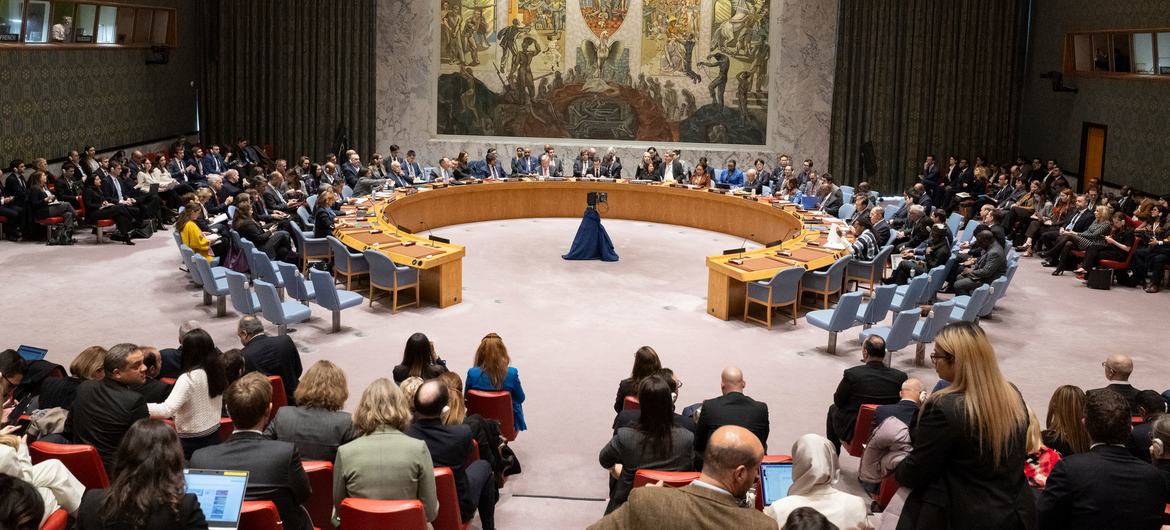
A wide view of the UN Security Council in session. (file)
UN Photo/Eskinder Debebe
 
A wide view of the UN Security Council in session. (file)


6 June 2024
Peace and Security

The UN General Assembly on Thursday elected Denmark, Greece, Pakistan, Panama and Somalia to serve as non-permanent members on the Security Council for two-year terms beginning on 1 January next year.

They will replace Ecuador, Japan, Malta, Mozambique and Switzerland, whose terms end on 31 December.

In a secret ballot, the elected countries secured the required two-thirds majority of Member States present and voting in the 193-member General Assembly.

Tweet URL
UN_News_Centre

The new members will join existing non-permanent members Algeria, Guyana, the Republic of Korea, Sierra Leone and Slovenia, whose terms started on 1 January. The five permanent Council members, each wielding veto power, are China, France, Russia, the United Kingdom and the United States.

Under the UN Charter, the 15-member Security Council holds primary responsibility for maintaining international peace and security, and all Member States are obligated to comply with its decisions.

Regional groups

The 10 non-permanent seats on the Security Council are distributed according to four regional groupings: Africa and Asia; Eastern Europe; Latin America and the Caribbean; and the Western European and other States group.

The candidates this year vied for five seats under three regional groups: two for African and Asia-Pacific (one each); one for Latin America and the Caribbean; and two for Western Europe and other States.

The newly elected members were endorsed by their respective regional groups and ran largely uncontested.

Vote tally

Overall, 190 Member States participated in the election, which required only a single round of balloting.

In the African and Asia-Pacific group, Pakistan received 182 votes and Somalia garnered 179 votes, with five countries abstaining.

In the Latin America and the Caribbean group, Panama obtained 183 votes and Argentina one, with six countries abstaining.

In the Western European and other States group, Denmark received 184 votes, Greece 182 votes, and Italy and Norway each receiving one vote; two countries abstained.


https://news.un.org/en/story/2024/06/1150726


https://creativecommons.org/licenses/by/3.0/legalcode

пятница, 10 мая 2024 г.

Somalia urged to take ‘concrete action’ against officials who violate citizens’ rights

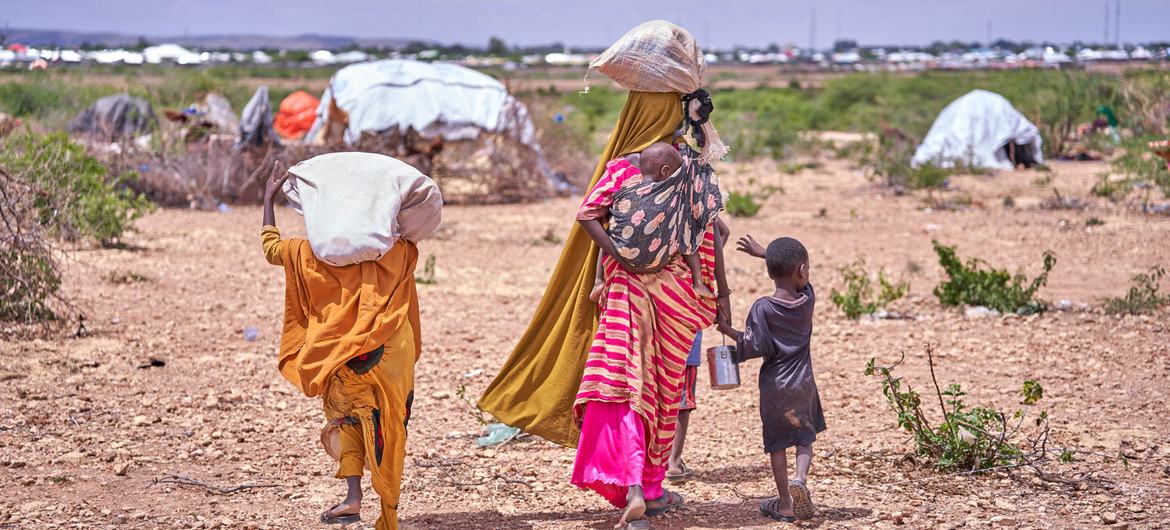
After being forced to leave their home, a mother and her children carry their remaining belongings and search for a place to take shelter.
© IOM/Claudia Rosel
 
After being forced to leave their home, a mother and her children carry their remaining belongings and search for a place to take shelter.

9 May 2024

Human Rights

The UN independent human rights expert on Somalia on Thursday called on authorities to step up efforts to address the country’s complex and serious security challenges.

Concluding an official visit to the Horn of Africa nation Isha Dyfan highlighted the impact on civilians, especially women and children, who continue to bear the brunt of deadly attacks carried out by Al-Shabaab terrorists.

“I strongly condemn the continued deadly attacks perpetrated by Al-Shabaab and urge the Government to take all steps to ensure the protection of civilians, and for armed groups to comply strictly with the obligations applicable to them under international humanitarian and human rights law,” she said.

“It is also important that the Government takes concrete actions to prosecute State officials involved in human rights violations, ensuring that those responsible were held accountable and that the survivors of such violations were adequately compensated.”

During her visit, she held a series of meetings with representatives from the Somali Federal Government, civil society, the African Union Transition Mission in Somalia (ATMIS) and various UN agencies.

Act against sexual violence

Ms. Dyfan also urged authorities to promptly investigate and prosecute cases of sexual and gender-based violence.

Allegations of rape and gang rapes combined with homicide need to be addressed efficiently, ensuring that alleged perpetrators are identified and brought to justice, she said.

“All necessary measures must be taken to strengthen capacity for investigation and prosecution of sexual and gender-based violence and to promote a safe environment where victims and survivors can report crimes without fear of reprisals or stigma and to ensure that victims are protected and have access to justice and effective remedies,” she added. 

Tweet URL
UNSomalia

Restrictions on civic space

The independent expert further voiced grave concerns over continuing restrictions on civic space, including harassment, arbitrary arrest, detention and imprisonment of journalists and media workers leading to self-censorship.

“A safe and inclusive civic space is essential to good governance, rule of law, and can help to reduce and prevent violence,” she urged.

“While I am encouraged by the appointment of the Somali National Media Council members in an effort to enhance the media landscape, I have also received concerns that the process was not in accordance with the media law,” she added.

International assistance urged

In conclusion, Ms. Dyfan also appealed to the international community to continue its assistance to Somalia towards strengthening the Federal and State institutions to promote the rule of law and human rights. 

“I also urge the international community to strengthen its humanitarian response and reinforce long-term resilience against future disasters in Somalia as the country continues to face serious cyclical humanitarian and climate challenges,” she said.

Independent expert

Ms. Dyfan was appointed as the Independent Expert on the Situation of Human Rights in Somalia by the Human Rights Council in May 2020.

She forms a part of the Council’s Special Procedures, a group of Special Rapporteurs and other experts, mandated to monitor and assess protection and promotion of human rights in certain thematic or country situations. 

The experts work voluntarily, are not UN staff and do not receive a salary.


https://creativecommons.org/licenses/by/3.0/legalcode

https://news.un.org/en/story/2024/05/1149581

вторник, 20 февраля 2024 г.

UN committed to help Somalia deliver ‘for its people’

UN committed to help Somalia deliver ‘for its people’
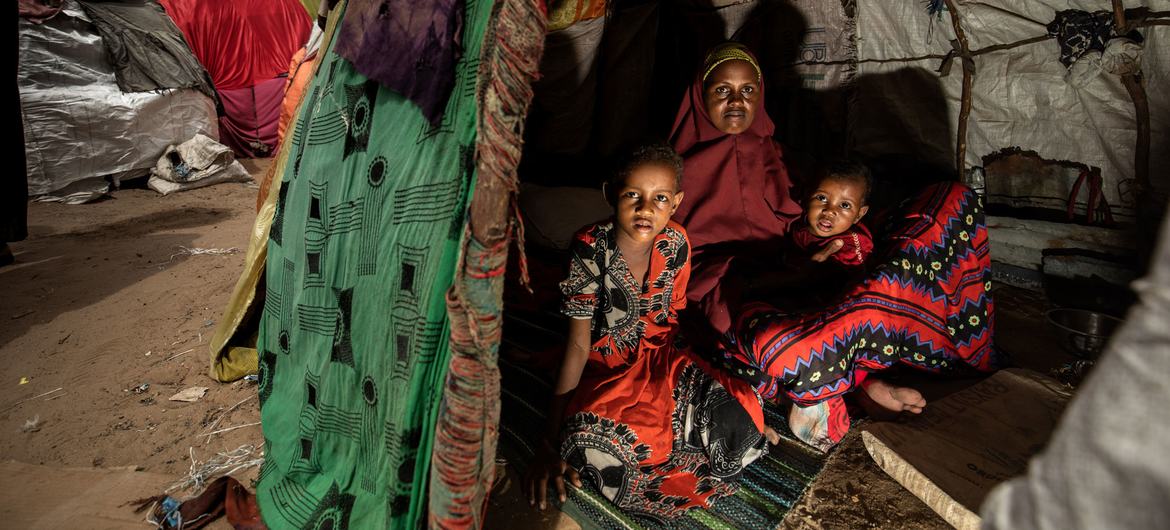
A mother and her children shelter at a camp for internally displaced people in Mogadishu, Somalia. (file)
© UNICEF/Mark Condren
 
A mother and her children shelter at a camp for internally displaced people in Mogadishu, Somalia. (file)


19 February 2024

Somalia remains resilient and strongly committed to state-building but more is needed to sustain the gains made in the fight against terrorist insurgency, the UN Special Representative in the country told the Security Council on Monday. 

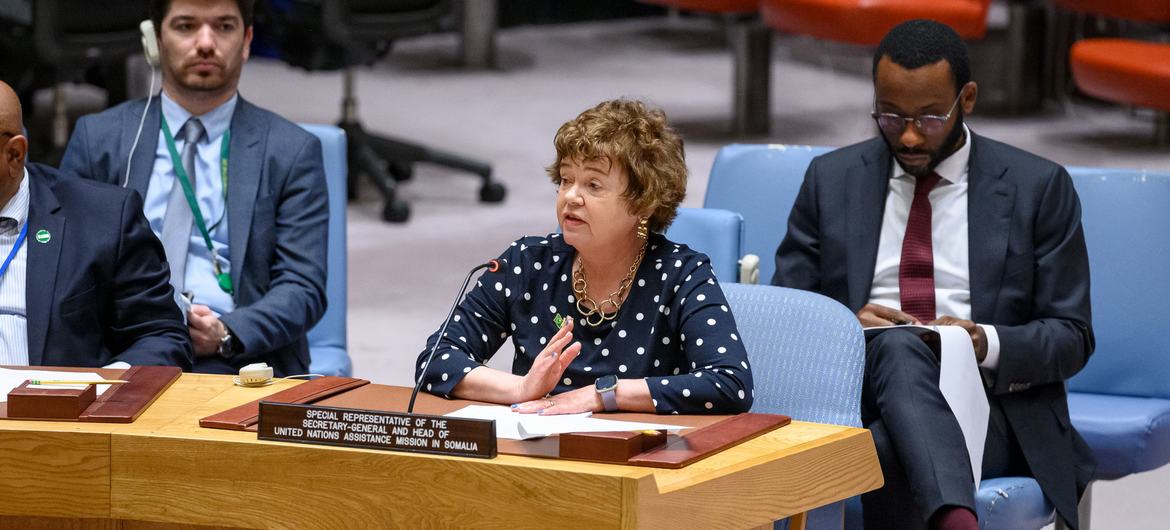
Catriona Laing, who also heads the UN Assistance Mission in Somalia (UNSOM), briefed ambassadors on developments across eight areas, including politics, security, women’s political participation, and humanitarian affairs.

She expressed the UN’s “unwavering support towards the state-building agenda” in Somalia, underscoring that the Council’s support is central to the country’s success.

Tweet URL
UNSomalia

“Through our collective support, Somalia is demonstrating that a country can emerge from prolonged conflict to one that delivers for its people and acts as a force for good in the region,” she said.

Solid progress

UNSOM works with the Federal Government of Somalia and federal member states to support national reconciliation and provide strategic and policy advice on issues such as peacebuilding and state-building, among other mandated tasks. 

An African Union (AU) force in the country, ATMIS, is in the process of drawing down. Somalia has requested a smaller AU mission, focused on protection, as well as UN logistics support to strengthen national systems and capacity.

Ms. Laing reported that the Federal Government has made solid progress in recent months in implementing its priorities. Some of these “very significant achievements” included completing a critical security roadmap, joining regional bloc the East African Community, and securing the lifting of a Security Council arms embargo. 

‘Tragic events’ 

However, 2024 got off to a challenging start for the “UN family” in Somalia, which continues to work to secure the safe return of personnel aboard a UN helicopter that was reportedly seized by Al-Shabaab militants on 10 January.   

The following day, a member of a UN Guard Force Unit was killed in an Al-Shabaab indirect fire attack on the UN compound in the capital, Mogadishu. 

“Despite these tragic events, our focus remains on supporting Somalia with its rightly ambitious agenda over the year ahead,” she assured the Council. 

Maintain momentum, reach consensus 

On the political front, Ms. Laing reported that a proposed new electoral model in Somalia continues to be intensely debated. Broad public support for the transition to one-person, one-vote elections has also come with the realization that proposed timelines are too ambitious.   

The UN is working with the authorities to develop a realistic plan that will ensure momentum towards one-person, one-vote is maintained.  The global body has also welcomed Parliament’s approval of the procedural rules for constitutional changes. 

“It is now urgent to reach an inclusive consensus on the electoral framework. And on the constitution, we encourage all parties to engage in the spirit of compromise to finalize the process,” she said. 

“Without an agreed constitution, Somalia remains vulnerable to perennial crises with no agreed rules of the game to enable resolution.” 

Controversial deal  

Turning to regional developments, Ms. Laing informed the Council about the Memorandum of Understanding (MOU) announced last month by Ethiopia and “Somaliland”, the breakaway region in the north. The deal reportedly grants Ethiopia a 50-year lease on 20 kilometres of coastline in exchange for certain political and economic benefits. 

Although the full details are not available, public pronouncements about the MOU have generated strong hostile reactions, she said.  Furthermore, terrorist group Al-Shabaab have been exploiting the situation as a tool for recruitment – a worrying development. 

“We recognise that the strong feelings in Somalia are putting pressure on the Government to respond, and we encourage the President to remain measured in his response,” Ms. Laing said.

“I echo the words of the Secretary-General who has recalled that the Security Council has repeatedly affirmed its respect for the sovereignty, territorial integrity and unity of Somalia, and called for all parties to engage in peaceful and constructive dialogue and to refrain from inflammatory words or actions that could further escalate tensions.”

Combating Al-Shabaab 

Meanwhile, countering Al-Shabaab remains a top Government priority, and the authorities are now preparing to resume large-scale operations following heavy rains and flooding which hampered activity towards the end of last year.

There have been positive developments on stabilization in newly recovered areas, namely in rule of law, governance, reconciliation and the provision of basic services, and she urged partners to support UN programmes deployed in these locations. 

The handover of security responsibilities to the authorities in December was also an important symbolic milestone for Somalia, and the second phase of the ATMIS drawdown was successfully completed by the end of January, despite delays. 

As planning is now underway for a new AU-led mission, Ms. Laing said plans for drawdown may need to be revised to allow for a smooth transition and to prevent a security vacuum from emerging.

Honour the quota 

Women’s political participation and representation remains another serious challenge and the UN continues to support efforts to achieve a 30 per cent quota among parliamentarians.

Ms. Laing has met with women leaders who stressed that the 30 per cent minimum must be enshrined in the constitution currently under review. They also expressed strong support for one-person, one-vote, and voiced strong opposition for the MOU, warning that it has the potential to spark conflict that would disproportionately affect women and girls.

She told the Council that Somalia’s humanitarian crisis remains dire.  Last year saw the worst drought in decades, followed by heavy rains and extensive flooding that affected more than 2.4 million people. 

A $1.6 billion humanitarian plan for this year aims to support 5.2 million most vulnerable people. Although this represents a nearly 40 per cent reduction from 2023, it is in line with a new, more targeted approach, given dwindling humanitarian funding globally. 


https://news.un.org/en/story/2024/02/1146682


https://creativecommons.org/licenses/by/3.0/legalcode

среда, 15 ноября 2023 г.

Security Council Extends Authorization of African Union Transition Mission in Somalia, Unanimously Adopting Resolution 2710 (2023)


9477TH MEETING (AM)
SC/15494

Security Council Extends Authorization of African Union Transition Mission in Somalia, Unanimously Adopting Resolution 2710 (2023)

Organ Also Adopts Resolution 2711 (2023) Renewing Sanctions on Al-Shabaab

The Security Council today extended its authorization of the African Union Transition Mission in Somalia (ATMIS) until 30 June 2024 and renewed, until 1 December 2023, certain provisions of its sanctions regime relating to Al-Shabaab.

Unanimously adopting resolution 2710 (2023) (to be issued as document S/RES/2710(2023)), the 15‑member organ — acting under Chapter VII of the Charter of the United Nations — authorized the African Union’s member States to deploy up to 17,626 uniformed personnel to ATMIS until 31 December 2023 and to complete the phase two drawdown of 3,000 ATMIS personnel by such date. It further authorized such member States to deploy up to 14,626 uniformed personnel from 1 January 2024 until 30 June 2024 and to complete the phase three drawdown of 4,000 ATMIS personnel by the latter date.

Through the text, the Council also urged ATMIS and its troop- and police-contributing countries to work closely with the Government to ensure that the phase three drawdown is both gradual and conducted according to Somalia’s strategic needs.  Among other provisions, the Council requested the Government and the African Union to conduct a joint technical assessment by 31 March 2024 to evaluate the phase two drawdown to inform planning for the remaining phases of the ATMIS drawdown.

The Council also unanimously adopted resolution 2711 (2023) (to be issued as document S/RES/2711(2023)), again acting under Chapter VII of the Charter.  By its terms, the organ decided to renew, until 1 December 2023, certain provisions of resolution 2182 (2014) concerning the inspection of vessels and seizure of items bound to or from Somalia believed to be in violation of the ban on charcoal exports, the ban on components for improvised explosive devices or the arms embargo on that country.

Further, the Council decided to renew the mandate of the relevant Panel of Experts until 31 December 2023, expressing its intention to review such mandate and take appropriate action regarding any extension or modification thereto — including restrictions on the import of weapons and ammunition by the Government — no later than 1 December 2023.

Following the adoptions, Harold Adlai Agyeman (Ghana), also speaking for Gabon and Mozambique, emphasized that further implementation of the mandate provided for in the resolution concerning ATMIS — along with careful management of transition processes — will facilitate the defeat of Al-Shabaab.  Expressing support for the delayed drawdown of 3,000 personnel until 31 December 2023, he said this will allow for a thoughtful transition plan and ensure that gains made in countering Al-Shabaab are not lost.  “It is our collective responsibility to stand against acts of terror and support Somalia in her ongoing actions to restore peace and security,” he underscored.

He went on to acknowledge efforts by the Government and national security forces — along with the support provided by the United Nations Support Office in Somalia (UNSOS) and other partners — calling for sustained international support for Somalia.  Troop- and police-contributing countries have been “at the heart” of the ATMIS operations in that country, he added, underlining the need for predictable, sustainable and flexible funding for the Mission and other African Union-led peace-support operations.  Concluding, he called on “all Member States that cherish peace, security and development” to support Somalia’s efforts to counter the threat posed by Al-Shabaab.

Robert A. Wood (United States), while recognizing the need to delay the second ATMIS troop reduction until 31 December 2023, expressed concern that slow progress in meeting mandate objectives over the past year will hamper completing the transition by the end of 2024. Coordination between the Government and ATMIS is vital, he stressed, stating that troop reductions must be based on operational necessities.  He also welcomed the Government’s increased focus on the fight against Al-Shabaab, highlighting the need to ensure that current and future operations are based on clear objectives, timelines and resource requirements.

Spotlighting the Somalia-led security conference to be held in New York on 12 December, he said this will present an opportunity to review plans for the ATMIS transition, address the threat posed by Al-Shabaab and identify Somalia’s security requirements beyond 2024.


https://press.un.org/en/2023/sc15494.doc.htm


https://creativecommons.org/licenses/by/3.0/legalcode

четверг, 19 октября 2023 г.

Somalia: Insecurity worsens, civilians pay the price


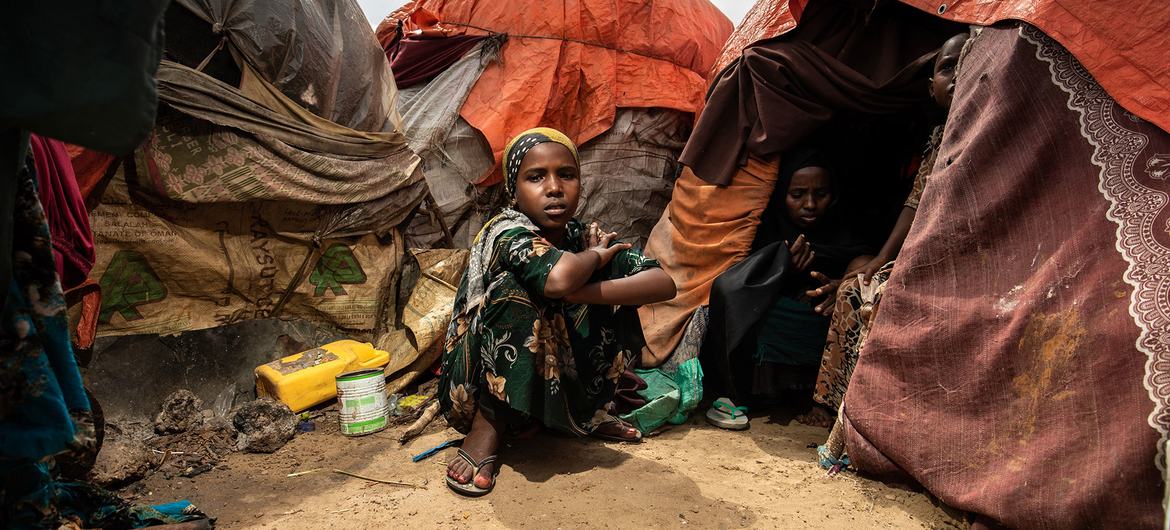
A young girl sits outside her family tent in at a camp for internally displaced people in Mogadishu.
© UNICEF/Mark Condren
 
A young girl sits outside her family tent in at a camp for internally displaced people in Mogadishu.
19 October 2023
Peace and Security

Insecurity persists in Somalia, with extremist group Al-Shabaab and fighting in the Laascaanood region taking a heavy toll on civilians, the UN envoy for the country told the Security Council on Thursday.

Briefing Ambassadors in New York, UN Special Representative for Somalia Catriona Laing, described the country as being at a critical juncture.

“Last year, we saw the largest increase in civilian casualties since 2017. Sadly, early data indicate a similar trend in 2023, with 1,289 civilian casualties recorded so far,” she said.

The military campaign against Al-Shabaab in central Somalia faced setbacks, though the national army and allied clan militias were able to initially retake significant territory.

“In response to its own setbacks, Al-Shabaab has increased the use of 107mm rockets, particularly in Mogadishu. It has also conducted targeted attacks on high profile Somali politicians,” Ms. Laing added.

Women, Peace and Security

The Special Representative, who also heads the UN Assistance Mission in Somalia (UNSOM) highlighted collaboration with the Government through a joint programme on women’s involvement in peacebuilding.  

These include strengthening the role of women as peacemakers, capacity building to increase the number of women parliamentarians and enhancing legal frameworks against sexual violence.

“I recently met with courageous Somali women leaders and heard of their pioneering work to ensure women play a significant role in critical areas, from politics to climate change,” Ms. Laing said.

Humanitarian crisis

The humanitarian situation in the country remains deeply concerning, with nearly four million people facing hunger and about 1.2 million people displaced, the UN envoy said.

The situation may deteriorate due to enhanced Deyr rains and the El Niño climate effect, leading to floods that could push hundreds of thousands more into food insecurity.

It is crucial to address the root causes of the crisis and integrate climate adaptation, Ms. Laing urged, calling for resources towards the 2023 Humanitarian Response Plan, which remains severely underfunded.

Catriona Laing, Special Representative of the Secretary-General for Somalia and Head of the UN Assistance Mission in Somalia, briefs the Security Council meeting on the situation in the country.
UN Photo/Loey Felipe
 
Catriona Laing, Special Representative of the Secretary-General for Somalia and Head of the UN Assistance Mission in Somalia, briefs the Security Council meeting on the situation in the country.

National debt

The Special Representative also noted progress in Somalia’s pursuit of reaching the Heavily Indebted Poor Countries Initiative (HIPC) completion point by December, noting the passing of the national Audit Bill in that regard.

The HIPC is a World Bank-International Monetary Fund (IMF) initiative to help poorer countries manage their debt burden and ensure sufficient resources towards key services and development.


https://news.un.org/en/story/2023/10/1142562


https://creativecommons.org/licenses/by/3.0/legalcode

вторник, 17 октября 2023 г.

Chair of Somalia Sanctions Committee Briefs Security Council on Meetings concerning Humanitarian Assistance, Weapons Management, Charcoal Ban

9441ST MEETING (PM)
SC/15448

Chair of Somalia Sanctions Committee Briefs Security Council on Meetings concerning Humanitarian Assistance, Weapons Management, Charcoal Ban

The Security Council entity overseeing sanctions on Somalia recently met twice for informal discussions on delivery of humanitarian assistance, maritime security, countering terrorism financing, security, and weapons and ammunition management and tracing, its Chair reported today.

Ishikane Kimihiro (Japan), Chair of the Security Council Committee pursuant to resolution 751 (1992) concerning Al-Shabaab, briefed the 15 member organ on the Committee’s work covering the period of 16 June to 17 October.

He said that the Committee’s members, on 28 September, met to hear briefings, respectively, by the United Nations Office for the Coordination of Humanitarian Affairs and by the United Nations Office on Drugs and Crime (UNODC).  The Panel of Experts on Somalia also participated in these briefings as an observer. Two related written reports were transmitted to the Council after the briefings, with the report of the Emergency Relief Coordinator issued as document S/2023/720.

He said that briefing by the Office for the Coordination of Humanitarian Affairs focused on delivery of humanitarian assistance in Somalia and any impediments to it, while UNODC’s briefing covered maritime security and countering terrorism financing in Somalia.  UNODC representatives covered the implementation of the charcoal ban and management of charcoal stockpiles, enhancing regional cooperation on illicit maritime flows, fisheries protection and disrupting Al-Shabaab operations and finances.

On 29 September, the Panel of Experts gave a presentation to the Committee on its final report, and to discuss the recommendations contained therein.  This report was also subsequently transmitted to the Council and issued as document S/2023/724.  The Chair said that the Committee was informed of the security situation in Somalia and the work conducted by the Panel on weapons and ammunition management, tracing weapons and ammunition captured from Al-Shabaab, and implementation of the one-off exemption to the charcoal ban according to resolution 2696 (2023).  He added that, in its final report, the Panel made nine recommendations.  “Four are addressed to the Security Council and five to the Committee,” he said.  He noted that the Committee is currently “considering the recommendations addressed to it”.

He said that the Committee communicated with Member States and United Nations bodies on various matters.  It sent letters to Somalia in connection with recommendations contained in the Panel’s first thematic update and the Panel’s midterm update, as well as on Somalia’s proposal for the one-off disposal of the charcoal stockpile by export.  He added that the Committee requested, and received, clarification from Bulgaria on an advance delivery notification submitted by it.

He said that, on 17 August, the Secretary-General appointed the humanitarian expert for the Panel of Experts, a position that had been vacant since the beginning of the mandate, and the Panel is now at its full authorized strength of six experts.


https://press.un.org/en/2023/sc15448.doc.htm

https://creativecommons.org/licenses/by/3.0/legalcode

четверг, 7 сентября 2023 г.

Addressing Disposal of Somalia’s Charcoal Stockpiles, Security Council Unanimously Adopts Resolution 2696 (2023)

9412TH MEETING (PM)
SC/15403

Addressing Disposal of Somalia’s Charcoal Stockpiles, Security Council Unanimously Adopts Resolution 2696 (2023)

Determining that the situation in Somalia continues to constitute a threat to international peace and security in the region, the Security Council today unanimously adopted a draft resolution addressing the disposal of the country’s charcoal stockpiles as a one-off exemption to previous resolutions.

By resolution 2696 (2023) (to be issued as document S/RES/2696(2023)), the 15-nation organ took note of the proposal presented to the Committee established pursuant to resolution 751 (1992) (the Committee) by the Federal Government of Somalia for the one-off, complete disposal of the charcoal stockpile by export in a letter dated 14 August 2023.

By other terms, the Council decided to authorize the Federal Government of Somalia to implement this proposal as a one-off exemption to the ban on the import and export of charcoal from Somalia, as set out in paragraph 22 of its resolution 2036 (2012), and paragraphs 11 to 21 of resolution 2182 (2014).

Further to the text, the Council directed the Committee to follow up on the above decision and the implementation of the Federal Government of Somalia’s proposal.


https://press.un.org/en/2023/sc15403.doc.htm

https://creativecommons.org/licenses/by/3.0/legalcode

вторник, 27 июня 2023 г.

Top UN official urges Israeli, Palestinian leaders to ‘put on the brakes’


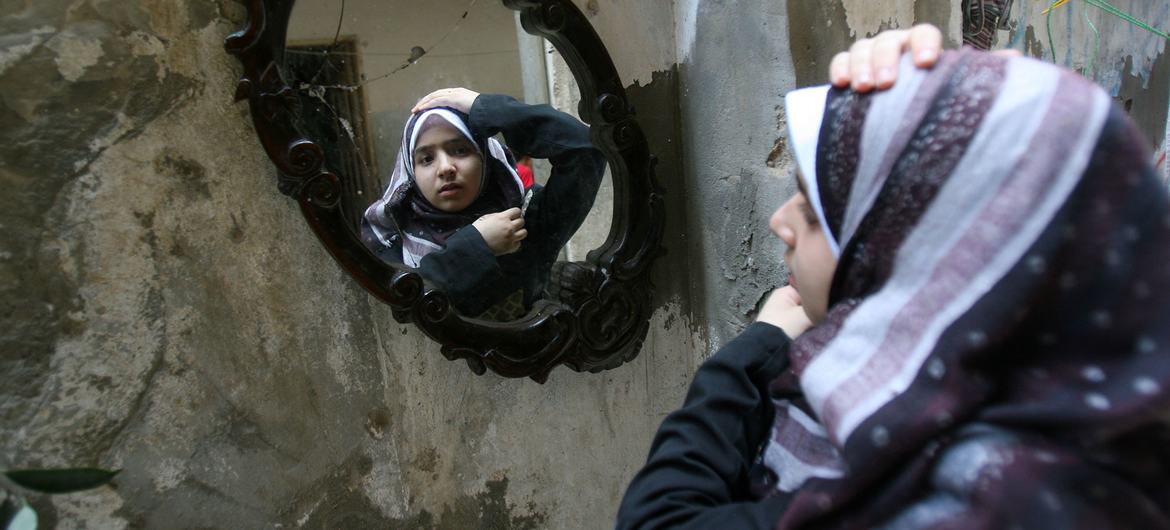
A 15-year-old girl at home in the Gaza Strip.
© UNICEF/Eyad El Baba
 
A 15-year-old girl at home in the Gaza Strip.
27 June 2023
Peace and Security

Unless decisive steps are swiftly taken to rein in Israeli-Palestinian violence, there is a “significant risk” that the situation could deteriorate, the top UN Middle East official told the Security Council on Tuesday.

“The choice is clear,” said Tor Wennesland, the UN Special Coordinator for the Middle East Peace Process (UNSCO). “Either continue along the downward spiral of violence and provocations leading to a political vacuum or turn towards constructive dialogue linked to concrete actions that can create hope and a political horizon.”

‘Alarming spike’

Urging Israeli and Palestinian leaders to “put on the brakes and rethink the options”, he warned of an “alarming spike in violence” across the northern and central occupied West Bank that has led to numerous Palestinian and Israeli casualties over the past 13 days, since the submission of his latest monthly report, covering the period between mid-May and mid-June.

Providing a grim snapshot of current hotspots, he said military operations – including airstrikes in the West Bank – clashes, attacks, and extremely high levels of settler-related violence, have continued and intensified dramatically.

In addition, he reported the use of more sophisticated weapons by Palestinians, including an advanced improvised explosive device and rockets launched towards Israel.

‘Settler rampage’

From 20 to 25 June, Israeli settlers perpetrated 28 violent attacks against Palestinian villages, he said, adding that the “settler rampage” had caused one death and dozens of injuries.

Israel, as the occupying power, has an obligation to protect Palestinians and their property in the Occupied Territory and to ensure prompt, independent, impartial, and transparent investigations into all acts of violence, he said.

“The deepening occupation, settlement expansion, the high levels of violence against civilians, including acts of terror, and, critically, the absence of a political horizon are rapidly eroding hope among Palestinians and Israelis, and particularly among youth, that a resolution of the conflict is achievable,” he said.

‘Extremely dangerous’

“The speed and intensity of the security deterioration we are witnessing on the ground are extremely dangerous,” he said.

“The unfolding events seriously challenge broader stability and undermine the Palestinian Authority,” he added.

While the ceasefire following the Gaza escalation in May has held, there is a constant risk that events in the West Bank could spill over into the Gaza Strip, he said.

Tweet URL

Aid consequences

Equally concerning are the Palestinian Authority’s fiscal and institutional challenges, exacerbated by funding shortages, including for UN agencies, that impact the delivery of crucial basic services. This may further aggravate the deterioration of the situation on the ground, he cautioned.

“Let there be no doubt, neither the Palestinian Authority nor the UN will be able to provide humanitarian assistance without donors urgently stepping up financial support,” he warned.

Regarding other significant developments, he said that the UN’s Palestine refugee agency, UNRWA, resumed after four months full service delivery in the West Bank, including at 42 health clinics and 90 schools serving more than 40,000 children. The disruption was due to a work dispute with the local staff union and a strike, he noted.

‘We must urgently act’

But, the ongoing security situation remains a grave challenge, he said.

“We must urgently act collectively to stop the violence,” he said. “At the same time, it is crucial to bring the parties back onto a path that addresses the political issues driving the current dynamics, so that a process to resolve the core issues can begin.”

Council renews DR Congo sanctions, Somalia mission

At the outset of the morning meeting, the Council unanimously adopted two resolutions, renewing for six months the African Union Transition Mission in Somalia (ATMIS) and extending by one year the current sanctions regime covering an arms embargo, travel ban, and asset freeze that require States to refrain from, among other things, providing weapons to non-governmental entities operating in the Democratic Republic of the Congo.

For more details on this and other meetings occurring throughout the UN system, visit our dedicated UN Meetings Coverage page.

 https://news.un.org/en/story/2023/06/1138142
https://creativecommons.org/licenses/by/3.0/legalcode

пятница, 23 июня 2023 г.

Somalia in danger of losing hard-won gains, Security Council hears


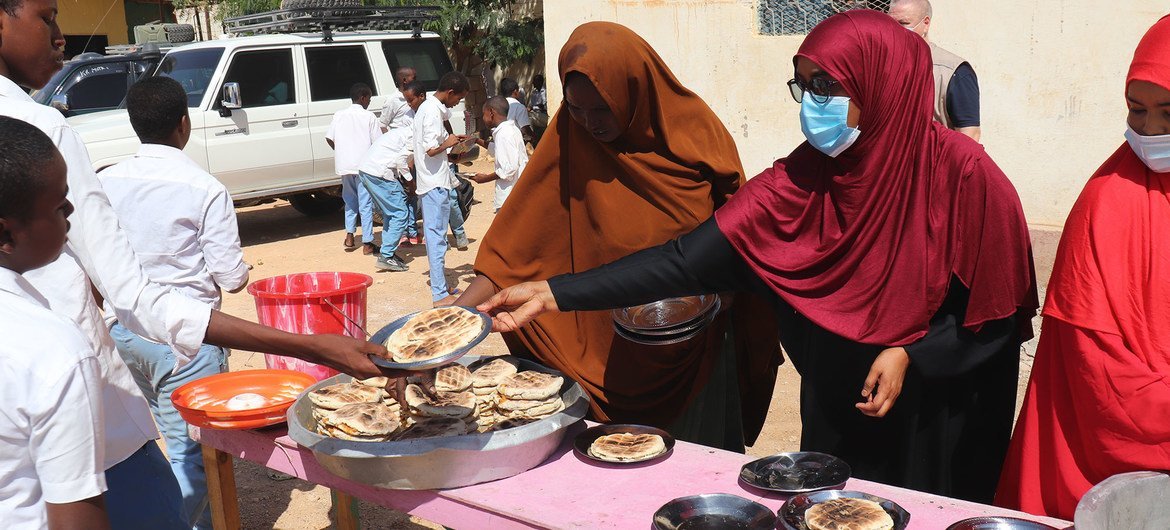
Meals are served in Garowe, Somalia, as part of a project for schools, supported by the World Food Programme (WFP).
© WFP/Petroc Wilton
 
Meals are served in Garowe, Somalia, as part of a project for schools, supported by the World Food Programme (WFP).
22 June 2023
Peace and Security

Despite gains made in tackling terrorism and advancing the electoral process in Somalia, top UN officials warned the Security Council on Thursday that extra effort and funding are needed to address multiple threats, from climate shocks to spates of violence amid a looming food crisis.

“Whilst many challenges and risks lie ahead, there are also many opportunities, and I urge all international partners to lean in and provide additional support to the people,” said the UN Secretary-General’s Special Representative for Somalia Catriona Laing.

Regarding current security conditions, Ms. Laing, who also heads the UN Assistance Mission in Somalia (UNSOM), raised concerns about terrorist attacks as well as violence, including in Laascaanood, the capital of the Sool region, long disputed between “Somaliland” and Puntland.

Clashes there between “Somaliland” forces and local Dhulbahante clan militia continued at varying levels of intensity, causing significant casualties, destruction of infrastructure and displacement of civilians, according to the UN Secretary-General’s latest report on the situation.

To date, there have been 308 civilian casualties, with 36 people killed and 272 injured, she said.

Commending efforts by all parties and the Security Council to bring about a ceasefire, she pledged UNSOM’s support towards a peaceful way forward.

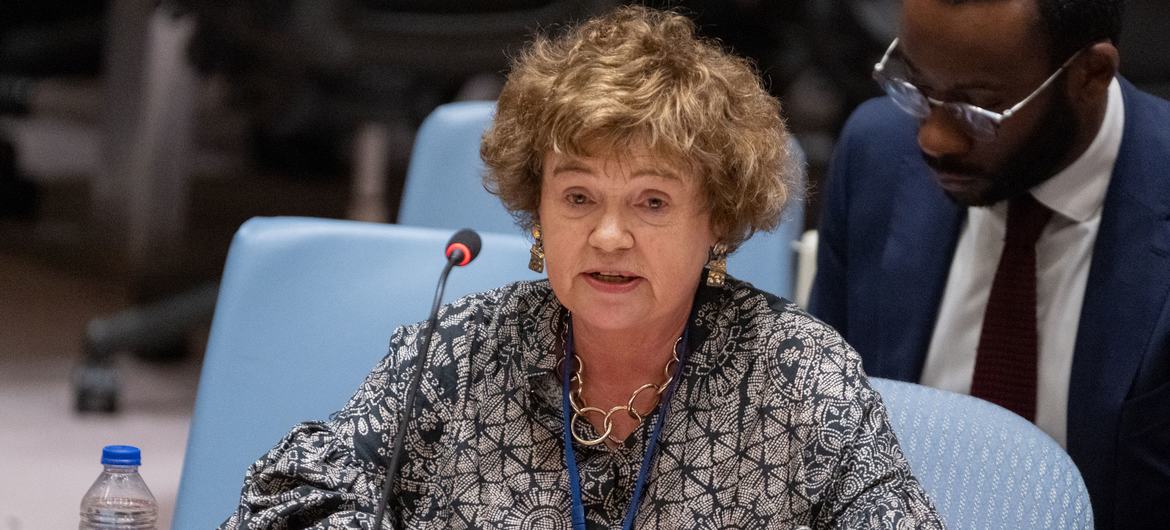
Catriona Laing, Special Representative of the UN Secretary-General for Somalia, briefs the Security Council.
UN Photo/Eskinder Debebe
 
Catriona Laing, Special Representative of the UN Secretary-General for Somalia, briefs the Security Council.

Gains made

Reporting several positive political developments, she highlighted the Government’s “significant progress” in advancing key national priorities, including the electoral process, and its leadership in the fight against terrorism.

Efforts have dislodged the terrorist group from parts of the country “but, Al Shabaab remains a significant threat,” Ms. Laing cautioned, pointing to a resurgence of attacks, including the deadly incident at the Pearl Beach Hotel in early June.

“The first three months of 2023 also saw the highest number of improvised explosive device attacks since 2017,” she said.

More support needed

Ongoing stabilization activities related to Al Shabaab will require support, she said, adding that UNSOM has stepped up its response in this regard.

“The challenge remains the sustainability of these gains,” she added.

Efforts to stabilize areas recovered from the terrorist group will require ongoing security, basic services, reconciliation, and long-term political and State-building processes, she said.

Outlining a three-phase transition plan, she said an overriding driver is in the security sector, which must be considered alongside plans for the possible drawdown of the UN Support Office in Somalia (UNSOS) and the eventual handover of UNSOM to the UN Country Team.

Going forward, she outlined priorities for the rest of 2023, which include a lead role for UNSOM in galvanizing the international community’s efforts on stabilizing the country, supporting the State-building process, and resolving the conflict in Laascaanood.

Precarious living conditions

Meanwhile, the humanitarian situation remains “precarious”, she said. While the current operation against Al Shabaab has contributed to improving security, she said that from January to March, 430,000 people have been displaced by violence and 580,000 people live in areas controlled by non-State armed actors.

In addition, climate shocks are becoming more severe, and women still need appropriate representation in the political, peace, and security fields, she warned.

“Their representation needs to be codified,” she said, pointing to Somalia’s failure to fulfill its commitment to ensure a 30 per cent quota of women represented in federal elections.

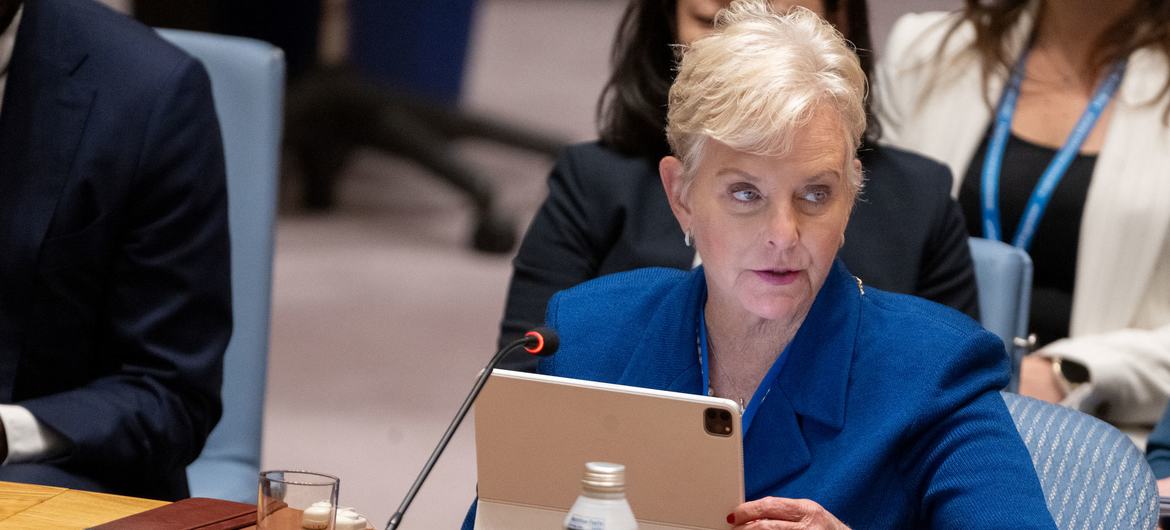
Cindy McCain, Executive Director of the World Food Programme, briefs members of the Security Council on the situation in Somalia.
UN Photo/Eskinder Debebe
 
Cindy McCain, Executive Director of the World Food Programme, briefs members of the Security Council on the situation in Somalia.

Food insecurity

Executive Director of the World Food Programme (WFP) Cindy McCain, said the violence and instability scarring the country has destroyed much of the infrastructure needed to support food production and distribution.

“Somalia was hauled back from the abyss of famine in 2022 because the international community saw the warning signs flashing red and raced to respond,” she said. “But, now we are in danger of losing the precious gains we have made since those dark days last year.”

Recalling a recent country visit, she said violence, fear, and starvation “are a daily reality there”, with mothers she spoke to recounting entire livestock herds wiped out by drought and terrorist groups recruiting children as young as 11.

Growing emergency

Since the start of 2022, conflict has triggered over one million internal displacements, and climate disasters have fuelled a further 2.1 million displacements over the past three years, she said.

The latest food security data show that food insecurity is spiralling across Somalia, with more than 6.6 million people – one third of the population – expected to face crisis or worse levels of hunger, including 40,000 people fighting for survival in famine-like conditions.

Even worse, 1.8 million children are expected to suffer acute malnutrition in 2023, she said.

Highlighting an action plan to address the serious and growing emergency, she said collective efforts must ensure safe aid deliveries, with the Security Council leading to secure unimpeded humanitarian access to all vulnerable communities in Somalia.

Breaking vicious cycles

In addition, food assistance must be matched with investments to rebuild livelihoods, strengthen resilience, and support climate adaptation programmes, she said.

She called on Member States to immediately contribute to the country’s humanitarian response plan, which is seriously underfunded. 

“At WFP, we’re being forced to cut back on our life-saving assistance programmes, just when they’re needed the most,” she said, adding that the agency had, in April, reduced assistance to 3 million from the 4.7 million people it was serving each month.

“Without an immediate cash injection, we will have to cut distribution lists again in July to just 1.8 million per month,” she said, emphasizing that with the required funding, WFP will “reverse these life-threatening cuts” and continue supporting the millions who rely on the agency for survival.

She said these “proven solutions” are the only way to finally break the vicious cycle of hunger and poverty.

“We all have to work together to find political solutions to create stability and peace in Somalia,” she said. “This is what the exhausted people of Somalia want and need, above all.”

For more details on this and other meetings occurring throughout the UN system, visit our dedicated UN Meetings Coverage page.


https://creativecommons.org/licenses/by/3.0/legalcode

 https://news.un.org/en/story/2023/06/1138027