Показаны сообщения с ярлыком Africa. Показать все сообщения

четверг, 3 октября 2024 г.

As Destabilizing Conflicts Escalate across Africa, United Nations-African Union Partnership Has Never Been More Critical, Top Officials Tell Security Council


9739th Meeting (PM)
SC/15842


(Note:  A full summary of today's meeting will be available after its completion.)

The partnership between the United Nations and African Union has never been more critical, several senior officials told the Security Council today, as they laid out the myriad challenges facing the continent from the world’s largest forced displacement crisis and numerous instances of political instability to territorial disputes and climate-change-driven insecurity. 

“As the Council is aware, several African countries and sub-regions continue to face significant challenges to achieving lasting peace, security and sustainable development,” Parfait Onanga-Anyanga, Special Representative of the Secretary-General to the African Union and Head of the United Nations Office to the African Union, told the 15-member body. 

The first of three briefers to outline developments on the ground in Africa and describe in detail what issues and challenges the UN-African Union collaboration was taking on, Mr. Onanga-Anyanga said the Secretary-General’s latest report (document S/2024/629) underscores the strategic importance of and need for the two organizations — including the work of his Office — to closely coordinate efforts to help address complex political transitions. 

In the Horn of Africa, political instability, territorial disputes and an ever-worsening humanitarian situation are driving several destabilizing conflicts, he said.  The conflict in Sudan has caused a grave humanitarian emergency, leading to the largest forced displacement crisis in the world, involving over 10 million people. In the Sahel region, political instability and violence have intensified, while uncertainty characterizes transition processes in Burkina Faso, Guinea, Mali and Niger.  And in the Great Lake region, the 30 July ceasefire agreement between the Democratic Republic of the Congo and Rwanda, facilitated by Angola, has translated into a reduction of fighting, but concerns remain. “All groups must lay down their weapons and disarm,” he stressed. 

The commitment of the member States of the Southern African Development Community (SADC) to support peace efforts through the deployment of a mission in the Democratic Republic of the Congo is commendable, he continued.  However, the link between climate change and peace and security is “a reality that cannot be denied in Africa”, he said, adding that the impact of climate change is putting to the test the resilience of States.  Welcoming the recent adoption of the Pact of the Future, he said that accord calls for stronger cooperation between the UN and regional organizations, and underscores Africa’s key role in promoting an effective and inclusive multilateral system. 

Also briefing the Council today was Fatima Kyari Mohammed, Permanent Observer of the African Union to the United Nations, who commended the African Union for utilizing its capacity to prevent and resolve conflicts while tapping into the UN’s political legitimacy, experience, and support to achieve its peace and security goals.  “The collaboration between the two institutions is founded on the principle of complementarity, recognizing that no single entity can fully tackle current and future security challenges alone,” she said. 

“Given the evolving security landscape in Africa, and instances where United Nations peacekeeping missions may not be suitable, it is critical to recognize how African Union-led peace support operations, including enforcement actions, contribute to both regional and global peace and security efforts,” she added.  The Security Council and the Peacebuilding Commission should identify countries where Council resolution 2719 (2023) — on financing African Union-led peace support operations — can serve as the financing framework for peace-building efforts, thereby enhancing national capacity to consolidate the achievements of such operations.  She pointed out how the African Union-United Nations Joint Framework on Human Rights explicitly highlights the need to promote women's full and equal participation in political, economic and social life, and recognizes the critical role of young people in promoting peace, development and human rights. 

Prioritizing Africa in the reform of the Security Council is crucial, she said.  She also called for collective efforts to address the conflicts in Sudan and the eastern Democratic Republic of the Congo, consolidate gains in Mozambique and Somalia, and combat the spread of violent extremism in the Sahel, the Lake Chad Basin and West Africa.  Equally critical is the need to tackle the ongoing threat of piracy in the Gulf of Aden, and take action to support countries facing both climate change and conflict.  “The time has come for our two institutions to take bold, coordinated action to achieve our critical shared objectives in Africa,” she said.

Martha Ama Akyaa Pobee, Assistant Secretary-General for Africa in the Departments of Political and Peacebuilding Affairs and Peace Operations, said since the adoption of Council resolution 2719 (2023), which “marked a major milestone” in the UN-African Union partnership, the United Nations Secretariat has intensified its collaboration with the African Union Commission.  “As a result, significant progress has already been achieved towards the operationalization of the resolution,” she said, citing the need for close working relations between the African Union Peace and Security Council and the United Nations Security Council to ensure smooth joint planning. 

The text’s implementation will present complex challenges, specifically on peace enforcement missions due to the inherent risks, she said.  A possible first test case for the implementation of the c framework is currently being discussed, based on Security Council resolution 2748 (2024), adopted in August.  The African Union Commission and the UN Secretariat in consultation with Somalia’s Government and relevant international and regional stakeholders are jointly planning for the successor of the African Union Transition Mission in Somalia (ATMIS).  “As requested by the council, we are preparing a report that articulates clearly a range of options for financing it,” she added. 

Several Council members expressed the need to ensure predictable, reliable, and sustainable financing for such operations, hailing the adoption of resolution 2719 (2023), while also voicing broad support for strengthening the UN-African Union partnership to deal with the myriad challenges plaguing the continent. 

The representative of Sierra Leone, speaking also for Algeria, Mozambique and Guyana — known as the A3+ group — said such cooperation is essential for the collaboration outlined in the UN’s New Agenda for Peace.  The African Union “has consistently demonstrated its capacity to leverage its comparative advantages and act as the first responder to the continent’s security threats, whether through mediation efforts or the deployment of peace support operations”, he said, adding that as penholders and Africa’s voice in the Council, the group will continue to lead as it keenly refines implementation of resolution 2719 (2023), a crucial tool in the peace and security toolbox. 

As the African Union Peace and Security Council commemorates two decades of life, the continent’s peace and security architecture must have the agency, resources and political support to effectively shape its security landscape.  “This effort includes reflecting Africa’s positions into the deliberations of the UN Security Council,” he said, whether in establishing mandates for the Organization’s peacekeeping operations, reviewing sanctions regimes, mediation efforts or coordinating humanitarian interventions. Ensuring women, youth and marginalized communities are “not just beneficiaries of peace, but also its architects” is also crucial, as is addressing the persistent threat of terrorism and violent extremism, particularly the Sahel region of West Africa. 

Also supporting the adoption of resolution 2719 (2023) as a historic step towards expanding the available toolkit to foster peace and security on the African continent, the United States’ speaker said “it is much more than a funding mechanism.  It is an opportunity for a stronger partnership between the UN and the AU,” noting that collaboration will be carried out in areas from human rights compliance to legal frameworks to procurement.  He recognized the needs of civilians are critical to its success, “We must take up this work together and to uphold its credibility,” he said. “People will be watching this mechanism closely.”


https://press.un.org/en/2024/sc15842.doc.htm


https://creativecommons.org/licenses/by/4.0/legalcode

вторник, 13 августа 2024 г.

Africa Has Provided Clear, Compelling Vision for Security Council Representation, Speakers Stress in Historic Debate on Enhancing Continent’s Participation


    9702nd Meeting (AM & PM)
SC/15788


(Note:  Due to the financial liquidity crisis affecting the United Nations and the resulting constraints, the full press release will be published at a later date.)

Africa has articulated a clear and compelling vision for its representation on the Security Council, that body heard today at a historic high-level debate on enhancing the continent’s effective participation in the United Nations organ tasked with maintenance of peace and security.

The meeting was convened by Sierra Leone, Council President for August, and chaired by that country’s President, Julius Maada Bio. Speaking in his national capacity, he said:  “Today, I speak as a representative of a continent that has long been underrepresented in the decision-making process that shapes our world.”  Setting out the aspirations of its fifty-plus countries and over 1 billion people, he stated:  “Africa demands two permanent seats in the UN Security Council and two additional non-permanent seats, bringing the total number of non-permanent sees to five.” The African Union will choose the continent’s permanent members, he said, stressing that “Africa wants the veto abolished; however, if UN Member States wish to retain the veto, it must extend it to all new permanent members as a matter of justice.” 

This is the Common African Position, as espoused in the Ezulwini Consensus and the Sirte Declaration, he said. As the Coordinator of the African Union’s Committee of Ten, his country has spearheaded efforts to amplify the continent’s voice on the question of its representation.  Noting the bloc’s admission to the Group of Twenty (G20) as a welcome development, he said it is absurd for the UN to enter the eightieth decade of its existence without representation for his continent.  It must be treated as a special case and prioritized in the Council reform process, he stressed. 

Highlighting the way slavery, imperialism and colonialism have shaped current global power structures, he noted the persistent stereotype of Africa “as a passive actor” in global affairs.  The continent’s inclusion in the permanent membership category will ensure that decisions affecting it are made with direct and meaningful input from those most impacted.  This will not only unlock Africa's full potential; it will also improve the Council’ legitimacy, he added. 

“The cracks” in the Organization’s foundation “are becoming too large to ignore”, António Guterres, Secretary-General of the United Nations acknowledged during his briefing.  The Council was “designed by the victors of the Second World War and reflects the power structures at that time,” he said, recalling that in 1945, most of today's African countries were still under colonial rule and had no voice in international affairs.  As a result, there is no permanent member representing Africa in the Council and the number of elected members from the continent is not in proportion to its importance. 

It is unacceptable, he underscored, that “the world's pre-eminent peace and security body lacks a permanent voice for a continent of well over a billion people”, whose countries make up 28 per cent of the membership of the UN.  While Africa is underrepresented in global governance structures, it is overrepresented in the challenges these structures address.  Nearly half of all country-specific or regional conflicts on the Council's agenda concern Africa, and “they are often exacerbated by greed for Africa’s resources” and further aggravated by external interference, he said. 

“Reform of this Council membership must be accompanied by a democratization of its working methods,” he added, drawing attention to the need for more systematic consultations with host States and regional organizations.  Enhancing Africa’s representation in the Council is not just a question of ethics; “it is also a strategic imperative that can increase global acceptance of the Council’s decisions,” he reminded that body.

Echoing that, Dennis Francis (Trinidad and Tobago), President of the General Assembly, said:  “We cannot continue to take [the United Nations’] relevance for granted.”  Instead, he added, “we must earn it, daily, with the actions we take”,  including meaningful reform.  Highlighting the Assembly’s active engagement on Council reform, he said the current draft of its input to the Pact of the Future calls for redressing the historical injustice to Africa.

The continent, he pointed out, is home to 54 of the UN’s 193 members, accounts for 1.3 billion of the world’s population and hosts the majority of UN peacekeeping operations.  “The fact that Africa continues to be manifestly underrepresented on the Security Council is simply wrong,” he said.  Alongside the growing calls for a Council that is more representative and transparent, he noted, there are also calls for a revitalized General Assembly.  Member States are asking that body to assume a greater role in peace and security matters but also hold the Council more accountable for its actions — “and, indeed, inaction” he said. 

The United Nations is clearly suffering from a legitimacy crisis, Sithembile Mbete, Senior Lecturer of Political Sciences at the Faculty of Humanities, University of Pretoria noted, adding that younger generations are witnessing its failures in “real time” on social media platforms.  She described Africa’s experience of the UN system over the past 80 years as one of “misrepresentation and underrepresentation”.  This has become evident in the perpetuated narratives of Africa as a continent of “backwards societies” reliant on aid as well as in the continent’s exclusion from permanent membership of the Council and inadequate representation among non-permanent members. 

Detailing the historical context for this, she recalled the four centuries of European slave trade starting in 1450 and devastating Africa’s population, culture, and economies, as well as the 1884 Berlin Conference that imposed colonial States, which still impacts the continent’s economic relations with rich nations.  In the 30 years since the end of the cold war, African subjects took up nearly 50 per cent of the Council’s meetings — but while Africa was on the menu, as was the case in Berlin 100 years ago, it still does not have a permanent seat at the table.  By 2045, Africa will have 2.3 billion people, making up 25 per cent of the global population, she said, asking diplomats to summon “the courage” to confront the power relations that are preventing meaningful reform. 


https://press.un.org/en/2024/sc15788.doc.htm
https://creativecommons.org/licenses/by/4.0/legalcode

пятница, 24 мая 2024 г.

‘Now is the time to unleash Africa’s peace power’ Guterres tells Security Council


‘Now is the time to unleash Africa’s peace power’ Guterres tells Security Council

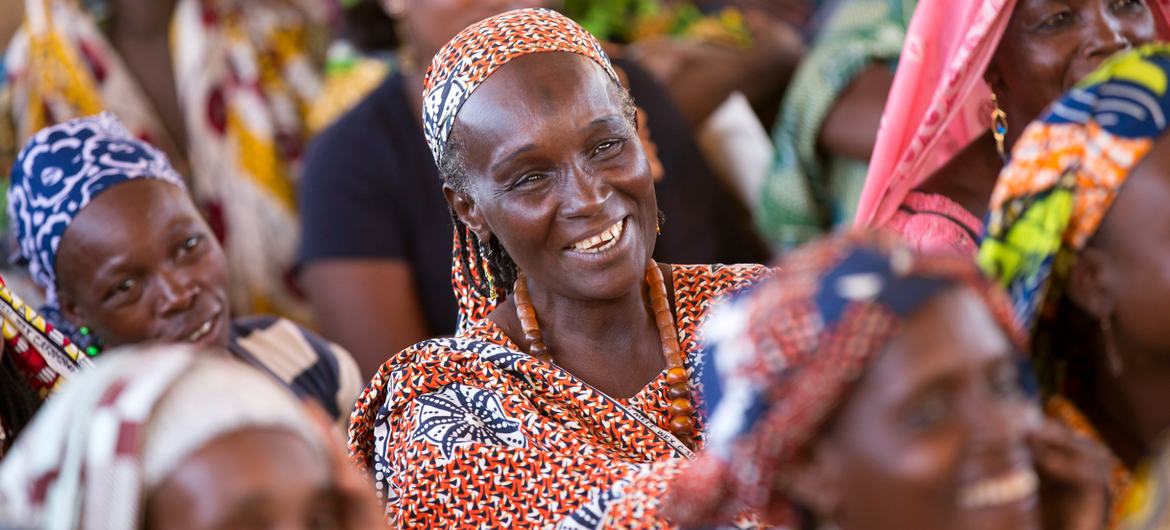
Women attend a community meeting held at the UN Women multipurpose centre in the Ngam refugee camp in Cameroon (file).
© UN Women/Ryan Brown
 
Women attend a community meeting held at the UN Women multipurpose centre in the Ngam refugee camp in Cameroon (file).


23 May 2024
Peace and Security

Peace is the key to unlocking Africa’s future and for strengthening the continent’s voice and influence in building peace globally, UN Secretary-General António Guterres told the Security Council on Thursday. 

“Now is the time to unleash Africa’s peace power,” he said, opening a debate on its critical role in addressing global security and development challenges, convened by Mozambique, the Council president for May. 

Calling Africa “an important voice for the global good”, he cited examples of how the continent has shown “unity and solidarity in a fractured world”, which include focusing on ending poverty and hunger, supporting refugees, achieving sustainable development, and pushing for reform of the decades-old global financial system. 

Ceasefire for Sudan 

Mr. Guterres said that although efforts like these require peace in Africa and beyond, “too many Africans are caught up in the hell of conflicts or living with the relentless danger of terrorism and violent extremism in their communities.”  

Addressing the war and “deepening humanitarian nightmare” in Sudan, he warned that increased hostilities in El Fasher are “opening an alarming new chapter” in the conflict, now in its second year. 

“We need a concerted global push for a ceasefire, followed by a comprehensive peace process to end the bloodshed,” he said. 

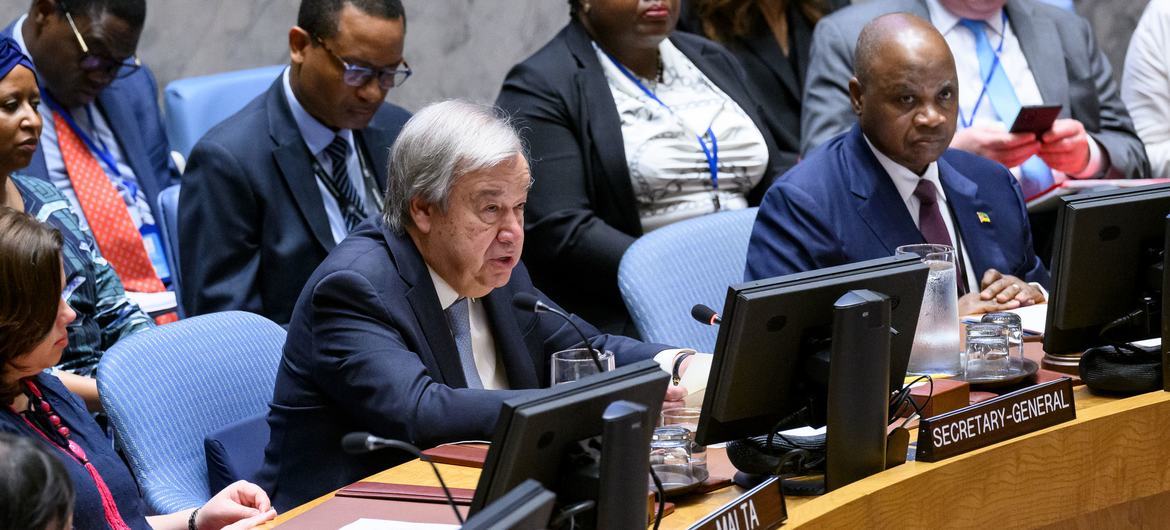
Secretary-General António Guterres addresses the Security Council meeting on maintenance of international peace and security of African States.
UN Photo/Loey Felipe
 
Secretary-General António Guterres addresses the Security Council meeting on maintenance of international peace and security of African States.

Silence the guns 

Mr. Guterres outlined three steps to strengthen Africa’s peace leadership, both on the continent and on the global stage. 

“First – we need peace in Africa itself,” he said, highlighting the UN’s partnership with the African Union (AU) and support for its ‘Silencing the Guns’ initiative. 

He also commended the Security Council’s adoption of resolution 2719 last year which allows AU-led peace support operations that receive their mandates from the Council to access UN assessed contributions.  

The two organizations “will continue working together to defuse conflicts before they escalate, manage them effectively when they occur, and build sustainable peace when they are resolved,” he said. 

Reform outdated institutions 

Secondly, African participation and leadership must be embedded across “the global peace and security architecture”.

He stressed the need to reform the UN Security Council and other global institutions that were established following the Second World War, which are now outdated. 

Structural inequalities have resulted in African states suffering disproportionately from the effects of conflicts, an unjust global financial system, and the climate crisis.  

Praise for Kenya 

Yet at the same time, they are also stepping up and contributing to global peace efforts, he added. 

He commended Kenya for spearheading the upcoming Multilateral Security Support Mission that will be deployed to Haiti to bolster national efforts to quell rampant gang violence.  He also extended praise to other African countries that have offered to send troops. 

The Secretary-General insisted that Africa deserves a voice in the global peace and security architecture. 

A voice among equals 

“But strengthening Africa’s voice can only happen if African countries can participate in global governance structures as equals,” he said.  “This must include correcting the lack of permanent African representation at this Council.” 

The Secretary-General pointed to the Summit of the Future at UN Headquarters in September as an opportunity to push forward on this and other issues, such as reform of the global financial system. 

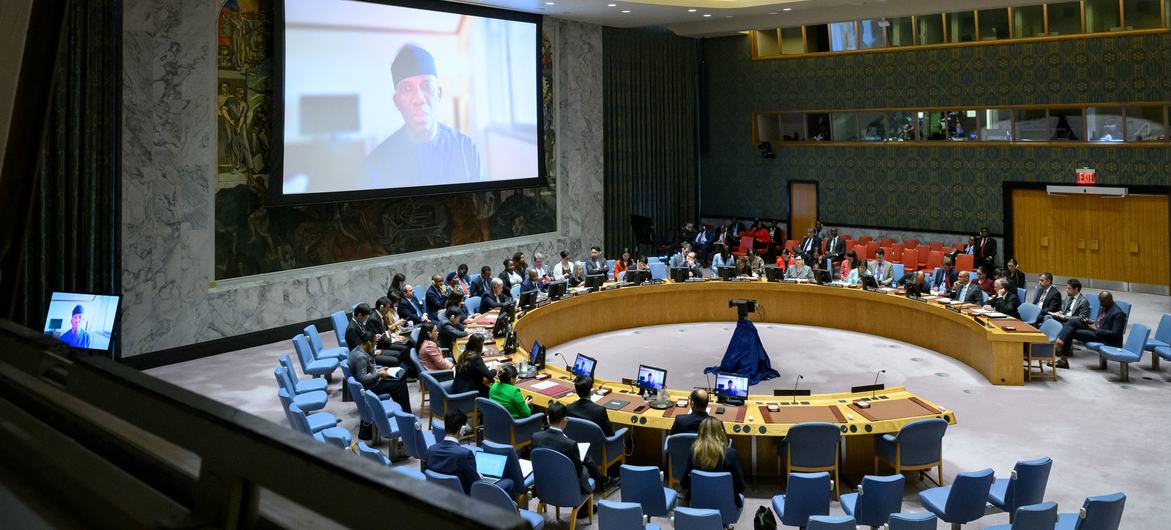
Bankole Adeoye (on screen), AU Commissioner for Political Affairs, Peace and Security, briefs the Security Council meeting on maintenance of international peace and security of African States.
UN Photo/Loey Felipe
 
Bankole Adeoye (on screen), AU Commissioner for Political Affairs, Peace and Security, briefs the Security Council meeting on maintenance of international peace and security of African States.

A new Security Council 

The AU Commissioner for Political Affairs, Peace and Security, Bankole Adeoye, underscored that reconfiguration of the global peace and security architecture is imperative.

“The emerging global order must promote renewed and networked multilateralism for the sake of global stability. This is Africa's right and not just a demand,” he said, speaking via video conference. 

Furthermore, the new UN Security Council “must be enlarged, must be inclusive, must be pro-Africa, must be more democratic, must be responsive, must be legitimate, must be equitable, and must be accountable.”

Mr. Adeoye also highlighted the issue of financing for peace operations, calling for “100 per cent unhindered, unconditional access to United Nations assessed contributions for peace and security activities.”

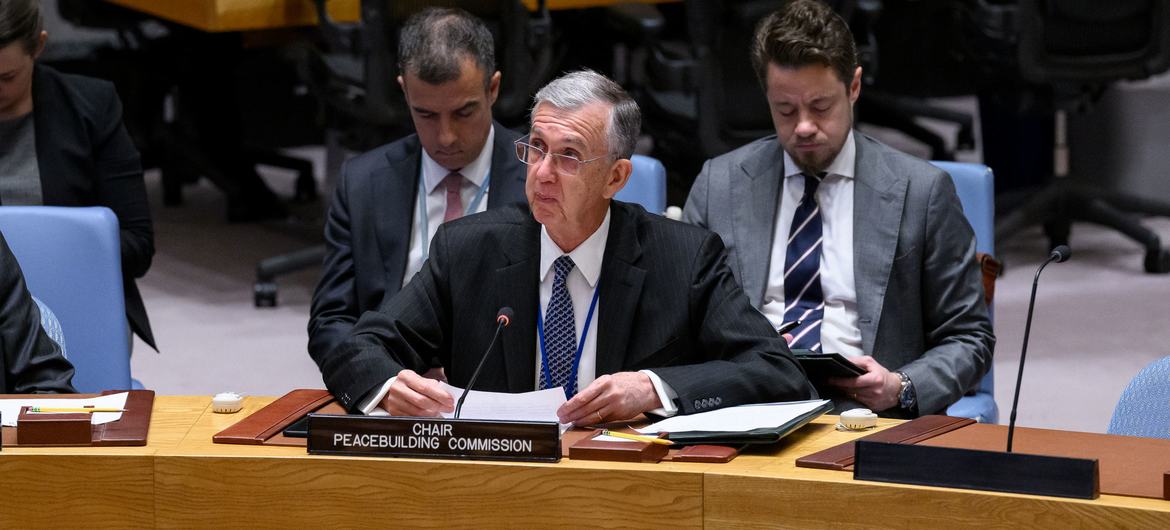
Ambassador Sérgio França Danese of Brazil, Chair of the Peacebuilding Commission, briefs the Security Council meeting on maintenance of international peace and security of African States.
UN Photo/Loey Felipe
 
Ambassador Sérgio França Danese of Brazil, Chair of the Peacebuilding Commission, briefs the Security Council meeting on maintenance of international peace and security of African States.

Building lasting peace 

The Chair of the UN Peacebuilding Commission (PBC), Ambassador Sérgio França Danese of Brazil, upheld its full commitment to assist African countries seeking support.

He spoke of the PBCs work across several pillars, including institution building, electoral processes, rule of law, transitional justice, security sector reform, and the women, peace and security agenda.

“These are only starting points for normalizing states in transition and post-conflict situations,” he said.

"Investment in sustainable development is crucial to long-term social cohesion and stability and must be undertaken in tandem with other initiatives.” 


https://news.un.org/en/story/2024/05/1150146


https://creativecommons.org/licenses/by/3.0/legalcode

суббота, 23 сентября 2023 г.

UN calls for ‘clear-eyed’ vision for peace and security, as peacebuilders meet in New York


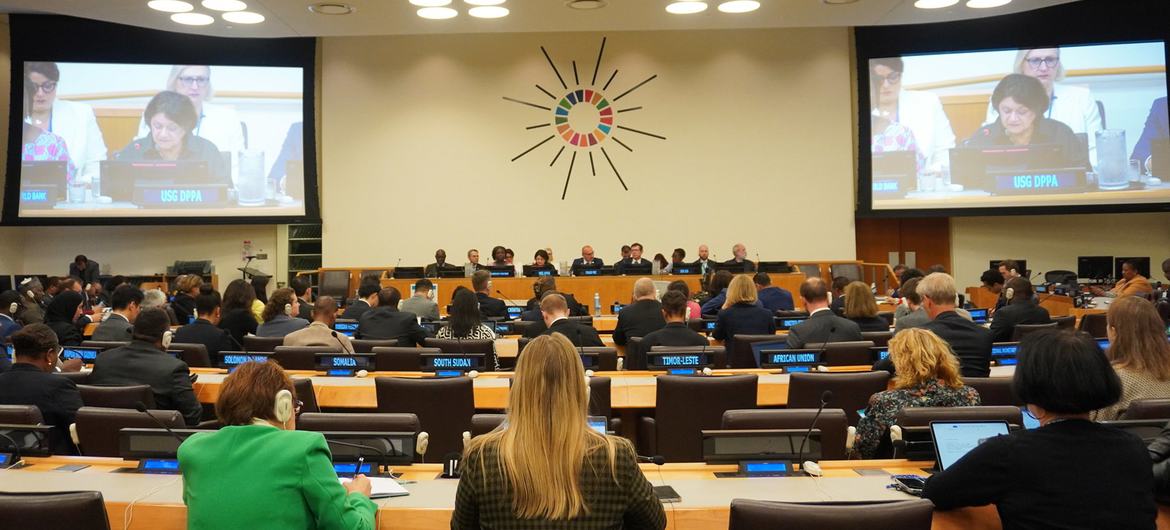
Rosemary DiCarlo addresses the Ministerial meeting of the Peacebuilding Commission.
© DPPA/PBSO/Ana Marcela Cerdas Jimenez
 
Rosemary DiCarlo addresses the Ministerial meeting of the Peacebuilding Commission.
Peace and Security

Following the UN chief’s appeal this week for a fresh approach to global peace and security, UN Peacebuilding Commission (PBC) countries convened on Friday to discuss the best way forward.

The Secretary-General’s New Agenda for Peace aims to address these complex challenges through multilateralism, rooted in the UN Charter and international law, centred on trust, solidarity, and universality.

It comes amid criticism from some Member States that the UN is no longer playing an effective role in peacebuilding and peacekeeping, as calls for overall reform of institutions like the Security Council grow louder.

Prioritize diplomacy

Representing the UN chief at the meeting, that brought together ministers from Member States and countries on the Commission’s agenda, political affairs chief Rosemary DiCarlo explained the details of the plan.

Tweet URL

“Our goal is to present a unifying vision for peace and security – one that is clear-eyed about the magnitude of today’s challenges, and which addresses the concerns and priorities of different constituencies," she said.

The core of this vision is a call for Member States to prioritize diplomacy, conflict prevention, and peacebuilding, for which comprehensive strategies, political courage and strong partnerships backed by sustainable resources and national leadership are a must. 

The Commission, an intergovernmental advisory body launched in 2005, plays a crucial role in supporting peace efforts in conflict-affected countries.

Consisting of 31 Member States elected from the General Assembly, the Security Council, and the Economic and Social Council, it brings together top donors and troop-contributing countries.

Three pillars of peacebuilding

“Above all, greater trust – among Member States, among people and in the institution of the United Nations itself – is essential,” underscored Ms. DiCarlo, presenting an approach to conflict prevention and peacebuilding that rests on three principles. 

Recognizing the broad impact of violence, A New Agenda for Peace urges all Member States to work tirelessly to silence the guns. 

It emphasizes that prevention should involve all countries, not just those in conflict, calling on every State to develop national strategies.

Lastly, it stresses that prevention must “be nationally led and owned”, addressing trust issues and aligning national priorities with international support when necessary.

Bigger role in UN overhaul

When it comes to the reform of UN bodies like the Security Council and General Assembly, the Peacebuilding Commission is given a prominent role in fostering discussions on peace and development issues, strengthening cooperation, and formalizing relationships with international financial institutions.

Advocating for more sustainable and predictable financing of peacebuilding activity, Ms. DiCarlo called also for enhanced linkages between the Commission and the Peacebuilding Fund, reminding of the commitment of the General Assembly on financing for peace.


https://news.un.org/en/story/2023/09/1141337

https://creativecommons.org/licenses/by/3.0/legalcode

среда, 30 августа 2023 г.

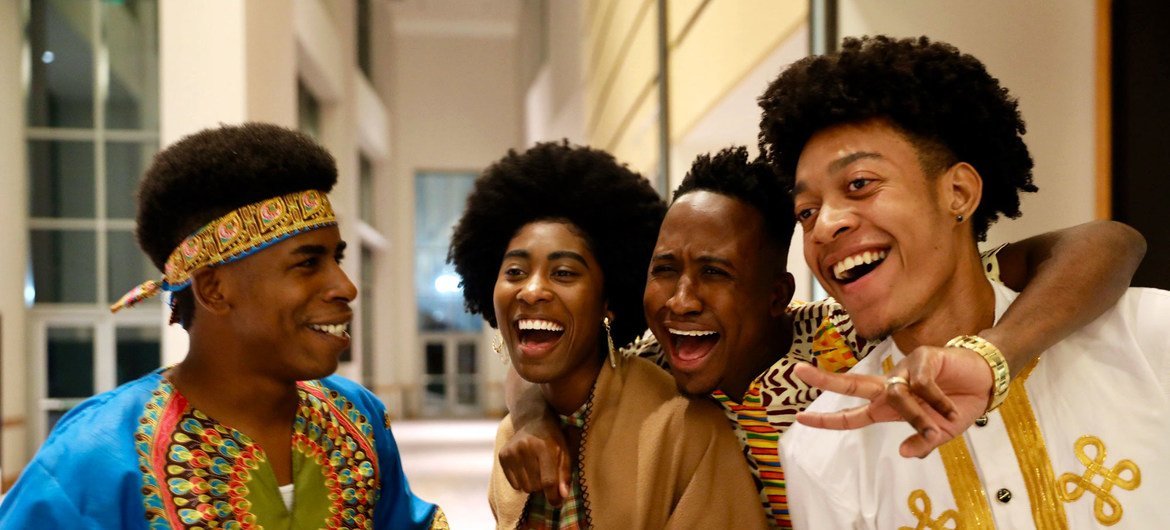
Rights experts call for second UN Decade for People of African Descent


The International Day for People of African Descent was celebrated for the first time on 31 August 2021.
PAHO
 
The International Day for People of African Descent was celebrated for the first time on 31 August 2021.
30 August 2023
Human Rights

Human rights experts on Wednesday urged the UN General Assembly to declare a second International Decade for People of African Descent starting in 2025 as more action is needed to combat racism and other intolerance. 

They stressed that more than ever, the world urgently needs humanity to unite and collaborate in a spirit of equality and non-discrimination.

Tweet URL

“This demands political will to eliminate all forms of racial discrimination, inequality and stratification at both the domestic and international levels,” they said in a statement.

Achieving this goal means that inequalities within and among countries will need to be drastically decreased, and the legacies of colonialism, apartheid, enslavement and genocide effectively resolved, they added. 

‘A cause for humanity’ 

The General Assembly proclaimed 2015 to 2024 as the International Decade for People of African Descent, with actions at the national, regional and global levels. 

Objectives include promoting respect, protection and fulfilment of all human rights and fundamental freedoms by people of African Descent, and greater knowledge of their diverse heritage, culture and contributions to society. 

“The cause of people of African descent for recognition, justice and development is a cause for humanity,” the experts stated.

Sustain the momentum

They said the UN Decade, together with the International Convention on the Elimination of Racial Discrimination and the Durban Declaration and Programme of Action, have contributed significantly to combatting racism, racial discrimination, xenophobia, and related intolerance.

“However, there is much more work to be done and the momentum gained must be sustained,” they said.

They urged the General Assembly to consider proclaiming a second International Decade for People of African Descent from 2025 to 2034, “with a view to taking further action to address systemic discrimination and legacies of the past to bring about the full recognition, justice, and development for people of African descent worldwide.”

‘Pervasive discrimination’ persists

The 13 experts were appointed by the UN Human Rights Council and are not UN staff, nor are they paid for their work.

They issued their appeal on the eve of the International Day for People of African Descent. 

In his message for the Day, UN Secretary-General António Guterres highlighted “the enormous impact” that both the African continent and people of African descent have had on the development, diversity and richness of world civilizations and cultures, which constitute the common heritage of humankind. 

“At the same time, we acknowledge the pervasive discrimination faced by people of African descent around the world, and the many obstacles they face to realising their full human rights,” he said.

Soundcloud

Promote equality, combat racism 

He noted that recent years have seen renewed momentum for change, based on the global anti-racism movement of 2020.  Millions of people took to the streets of major cities worldwide following the police killing of George Floyd, an African American man, that May. 

Mr. Guterres pointed to UN initiatives, such as the establishment of the Expert Mechanism to Advance Racial Justice and Equality in the context of Law Enforcement, and the Permanent Forum on People of African Descent, as a testament to the collective aspirations of the African diaspora for justice and equality worldwide.  

The Secretary-General has also made anti-racism a management priority at the UN, where he has appointed a Special Adviser and team charged with overseeing implementation of a Strategic Action Plan on Addressing Racism and Promoting Dignity for All.

Call to action

“Today, as we mark the International Day for People of African Descent, I reiterate the call of the UN High Commissioner for Human Rights to use the commemoration of the 75th anniversary of the adoption of the Universal Declaration of Human Rights to announce and take prompt and robust steps to advance equality and combat racism, racial discrimination and xenophobia,” he said. 

The UN chief urged countries to take concrete steps, with the full participation of people of African descent and their communities, to tackle old and new forms of racial discrimination; and to dismantle entrenched structural and institutional racism.

“Today and every day, we must continue to speak out against all ideas of racial superiority, and work tirelessly to free all societies from the blight of racism,” he said.


https://news.un.org/en/story/2023/08/1140232

https://creativecommons.org/licenses/by/3.0/legalcode

среда, 21 июня 2023 г.

Top UN official for Africa calls for added action to stop piracy’s spread


The International Maritime Organization (IMO) urges continued sustainable support to the important work of the regional navies and entities within the Yaoundé architecture to protect seafarers and to the operational piracy response, in line with UN Secur…
IMO
 
The International Maritime Organization (IMO) urges continued sustainable support to the important work of the regional navies and entities within the Yaoundé architecture to protect seafarers and to the operational piracy response, in line with UN Security Council resolution 2634 on piracy in the Gulf of Guinea.
21 June 2023Peace and Security

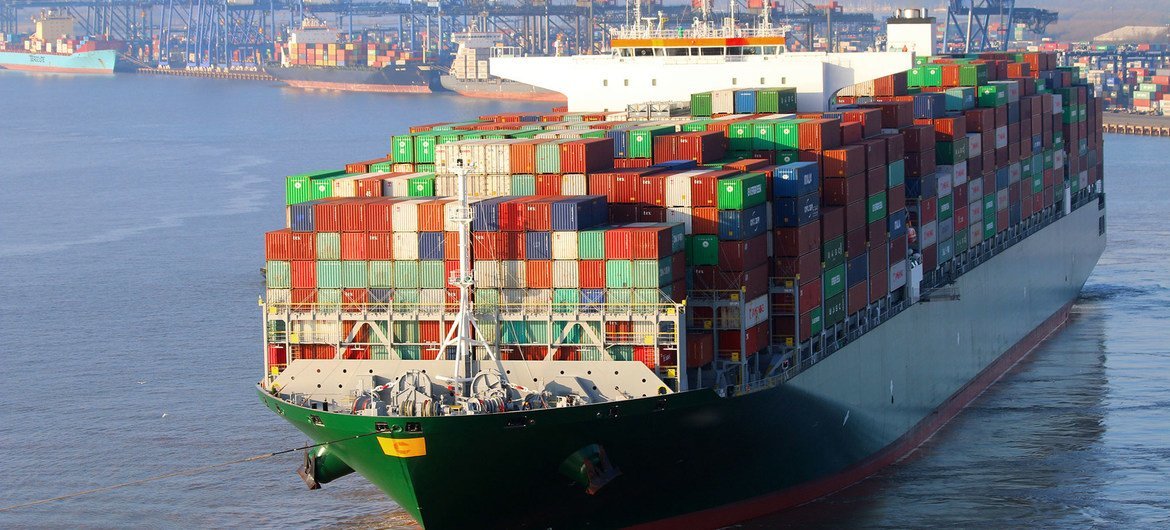
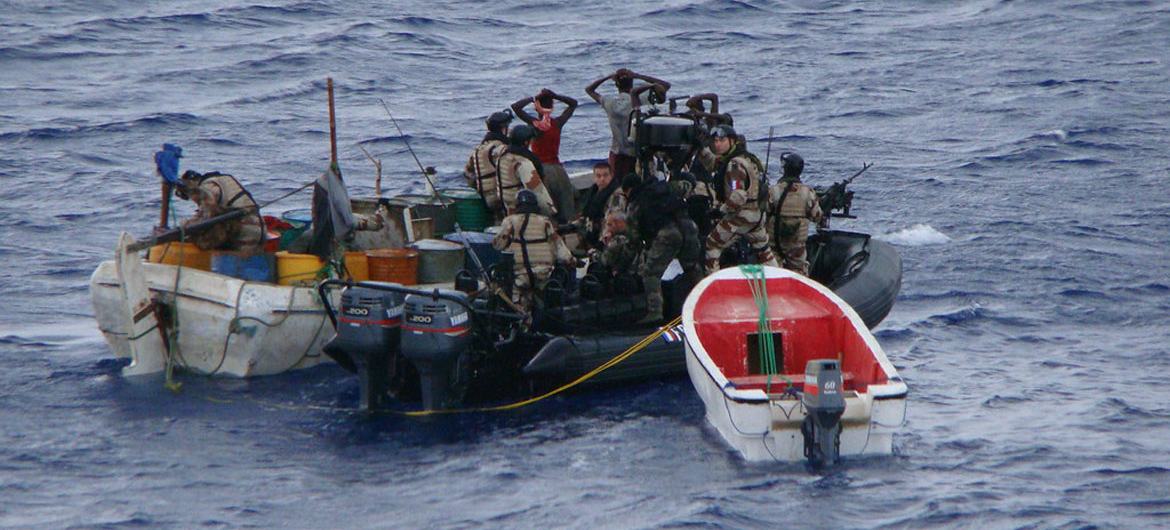
International cooperation is making waves in combatting piracy in West Africa, but addressing its root causes and ensuring sustainable funding must fully eliminate threat, which is spreading to other regions, a top UN official told the Security Council on Wednesday.

Despite gains made in tackling sea-faring criminal groups, “piracy incidents continue to threaten the safety of maritime traffic in the region,” said Martha Pobee, UN Assistant Secretary-General for Africa in the Departments of Political and Peacebuilding Affairs and Peace Operations.

Effective deterrents

Since her last briefing on maritime security in November, she said a steady decrease in piracy incidents in the Gulf of Guinea was in large part due to interventions by national authorities and regional and international partners.

Together, these effective deterrents against criminal groups have been buttressed by the ongoing operationalization of the so-called Yaoundé architecture, established in 2013 with the signing of the related Code of Conduct by actors in the region, she said, noting that four out of five interregional coordination centres are now functioning.

Such efforts, including forming joint naval task groups, have enhanced cooperation and information sharing while forging a centralized process for maritime security that bridges national and regional capacity gaps, she said.

Threats shifting waters

However, gaps remain, she cautioned, calling for increased support to fill them. These include such challenges as the lack of appropriate equipment and of sustainable financing to ensure the full operationalization of the Code of Conduct.

“Rapidly addressing the challenges that hamper the full operationalization of the Yaoundé architecture is critical to maintaining current gains,” she cautioned.

Recent figures already suggest that “incidents are steadily shifting from the waters of West Africa towards the maritime domain of the UN Economic Community of Central African States, she said.

The issue of piracy in the Gulf of Guinea was raised by several West African officials at the 66th General Assembly annual general debate in New York.
Eunavfor
 
The issue of piracy in the Gulf of Guinea was raised by several West African officials at the 66th General Assembly annual general debate in New York.

Following trends

From 2016 to 2021, the pirate groups in the region altered their patterns, shifting their focus towards “kidnapping for ransom” piracy, according to the UN Secretary-General’s report on piracy in the region.

A study by the UN Office on Drugs and Crime (UNODC) Global Maritime Crime Programme showed that “kidnapping for ransom” piracy peaked in 2020, with approximately 140 individuals reportedly abducted at sea, the report showed.

The study revealed that the pirate groups operated indiscriminately, targeting vessels of all types, including fishing vessels, and increased their activities further afield. Several cases at the time were reported beyond 200 nautical miles from shore.

Concerted efforts

Against this backdrop, the number of cases of piracy and armed robbery at sea, including kidnapping for ransom, decreased to 45 in 2021 from 123 in 2020, due to national efforts, the Secretary-General’s report found.

The report noted that deterrence effect was further amplified by the deployment of non-Gulf of Guinea navies, including through the continuous presence of ships under the European Union Coordinated Maritime Presences operation, from Denmark, France, Italy, Portugal, and Spain, as well as the regular patrols of navies from Brazil, Canada, India, Morocco, Russia, United Kingdom, and the United States.

UN assistance

For its part, the UN stands ready to assist, Ms. Pobee said.

Highlighting several ongoing efforts, she said UNODC is, among other things, providing technical and logistic support for joint patrols.

Together, the UN Office for West Africa and the Sahel (UNOWAS) and the UN Regional Office for Central Africa (UNOCA) have developed an inter-regional project to conduct a review of the Code of Conduct, which will be critical in galvanizing support for these activities at a time when piracy remains a threat to the Gulf of Guinea region.

Key action areas

Underlining several key areas essential for success in reviewing the Code, she said nations must first update legal frameworks. Meanwhile, enhanced coordination between the Interregional Centre and partners “remains vital”.

In addition, actors must address the root causes of piracy to eliminate the threat, she said.

“To effectively eliminate the threat posed by piracy and armed robbery at sea, national stakeholders, regional and sub-regional organizations and international partners must also actively seek to address the underlying social, economic and environmental challenges that underpin the recruitment of individuals into maritime criminal networks,” she said.

In this regard, it would be important for the review process, when launched, to include a focus on prevention, consider ways of enhancing more participatory community-based engagements in the architecture, and generate sex-disaggregated data on the impact of maritime crime on women, girls, men, and boys to better inform policy options and actions.

“Without traction on this front, overall progress in curbing this menace will be limited,” she warned.

For more details on this and other meetings occurring throughout the UN system, visit our dedicated UN Meetings Coverage page.


 https://news.un.org/en/story/2023/06/1137997

https://creativecommons.org/licenses/by/3.0/legalcode