Показаны сообщения с ярлыком Trafficking. Показать все сообщения

суббота, 10 июня 2023 г.

Trafficking in the Sahel: Muzzling the illicit arms trade


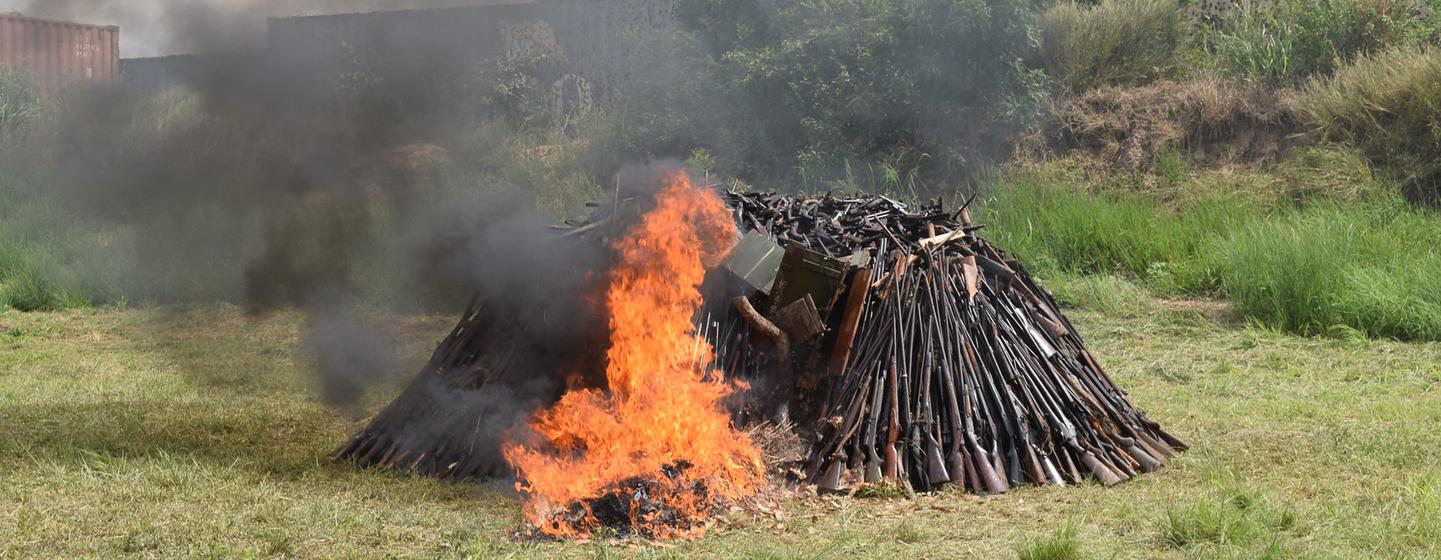
The Government of Togo and the UN Regional Centre for Peace and Disarmament in Africa (UNREC) destroyed 2,000 seized and obsolete weapons and 10,000 rounds of ammunition to mark the International Day of Peace.

UNREC

 
The Government of Togo and the UN Regional Centre for Peace and Disarmament in Africa (UNREC) destroyed 2,000 seized and obsolete weapons and 10,000 rounds of ammunition to mark the International Day of Peace.

10 June 2023
Peace and Security

Shoppers in Mali’s Gao, Timbuktu, and Ménaka regions can snap up AK-pattern assault rifles for $750 and cartridges for 70 cents apiece, from locally handcrafted pistols to smuggled French and Turkish machine guns, as a dizzying array of illegal weaponry dots market stalls across the Sahel, a 6,000-kilometre-wide belt in the middle of Africa.

In this feature, part of a series exploring the fight against trafficking in the Sahel, UN News focuses on the illegal arms trade that is fuelling conflict and terrorism.

In the Sahel, home to 300 million people, it’s a buyer’s market for guns. Insurgency and banditry plague the region, rooted in, among other things, endemic intercommunal tensions, clashes between farmers and herders, a spread of violent religious extremism, and competition over such scarce resources as water and arable land amid extreme climate shocks.

“Non-State groups are fighting among themselves for supremacy, pushing States to the margin, and causing untold misery to millions of people who had to flee their communities to seek safety,” Giovanie Biha, Officer-in-Charge of the United Nations Office for West Africa and the Sahel (UNOWAS), told the UN Security Council, presenting the Secretary-General’s report on the region.

‘We bought more rifles’

Behind the chaos and misery simmers a thriving illicit arms trade.

Many arms trafficking hubs in the Sahel rim borders or transportation routes where multiple criminal activities take place, according to the UN Office on Drugs and Crime (UNODC). Illegal markets – often hidden in plain sight in towns and villages along strategic corridors – lay unhampered by the presence of authorities.

All the groups involved in clashes are now dealing with firearms and ammunition, according to a recent UNODC report on firearms trafficking. As the numbers of group members multiply, so too do business opportunities for traffickers.

The report tracks cases with a view to better understand the phenomenon and its drivers. When Nigerian authorities asked a suspect how his group had spent the $100,000 ransom paid to free the schoolgirls they had kidnapped, he said “we bought more rifles”, according to the report.
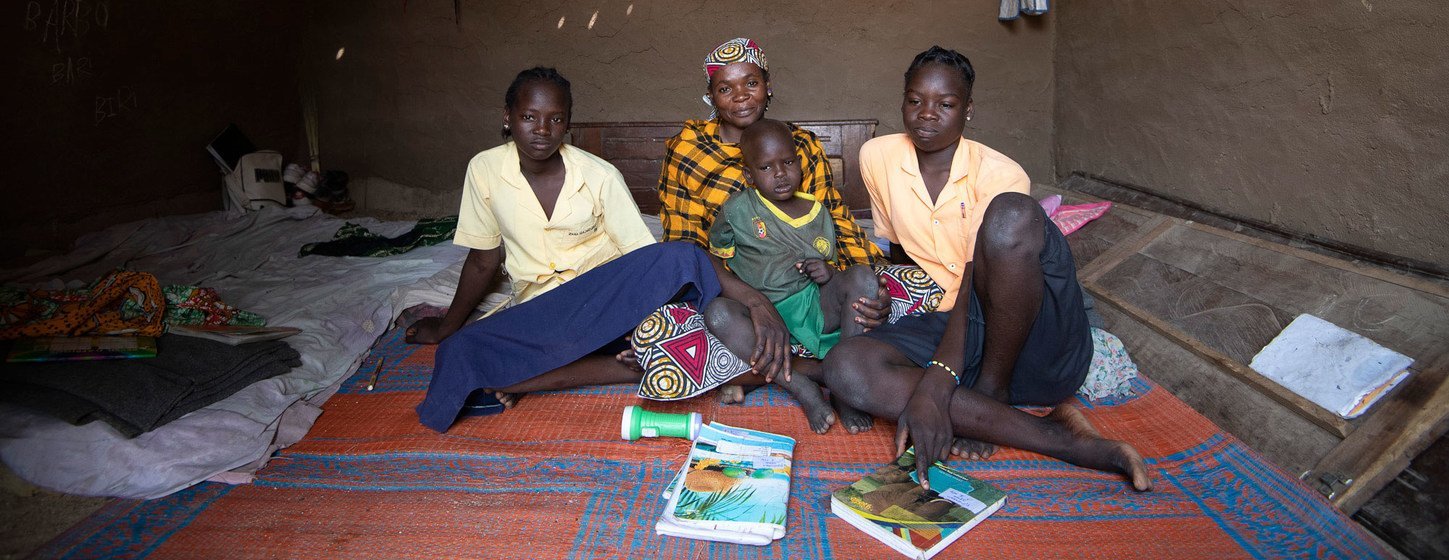
Fleeing her village in northern Cameroon after armed insurgents seized control, Mamma Hamidou (centre) received income-generating funding from UNDP and, with her earnings, built a small house and sends her children to school. (February 2019)
UN Photo/Eskinder Debebe
 
Fleeing her village in northern Cameroon after armed insurgents seized control, Mamma Hamidou (centre) received income-generating funding from UNDP and, with her earnings, built a small house and sends her children to school. (February 2019)

Cascade of consequences

A cascade of consequences spilled across the region over the past decade, destabilizing nations and spreading a tide of trafficked weapons into villages, towns, and cities. In Nigeria, Boko Haram expanded its area of control and spidered into Cameroon, Chad, and Niger.
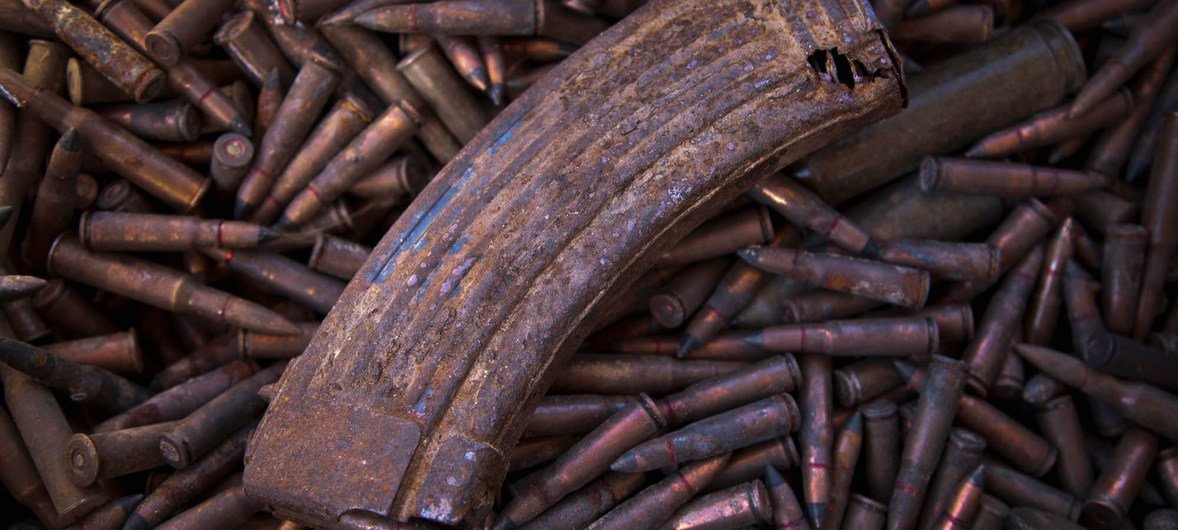
Small arms ammunition at the unexploded ordnance pit at the Malian Army Camp in Timbuktu, Mali.
MINUSMA/Marco Dormino
 
Small arms ammunition at the unexploded ordnance pit at the Malian Army Camp in Timbuktu, Mali.

In the first of the Trafficking in the Sahel features, we described the 2011 NATO intervention in Libya as a pivotal moment. Tuareg soldiers serving in the Libyan army looted weapons, returning to Mali, where a series of rebellions created a dangerous, chaotic security vacuum.

Extremist groups captured Malian military and police bases, adding fresh stockades of weapons to their expanding arsenals. The Liptako-Gourma transborder area became a battlefield and bartering ground for a burgeoning illegal arms trade.

The chronic violence has killed thousands and displaced more than two million Sahelians, as of December 2022.

Meanwhile, the ongoing conflict in Sudan has caused further disruptions, said Mar Dieye, who heads the UN Integrated Strategy for the Sahel (UNISS).

“Soldiers are selling their guns to get food, and this will add fuel to fire,” he told UN News. “This is extremely serious, and we are calling for all international actors to scale up their support.”
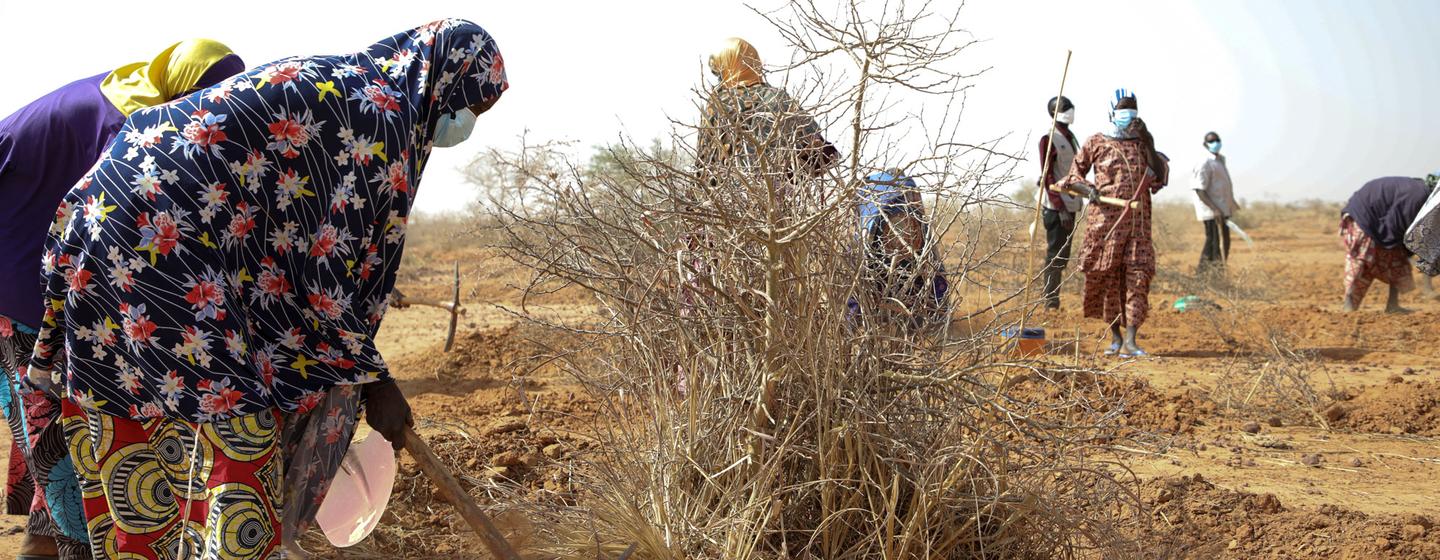
Women care for a market garden in Tillaberi. Niger, located in the Liptako-Gourma area, which has felt a heavy impact from local conflicts and the spillover of fighting in Mali and Burkina Faso.
© WFP/Mariama Ali Souley
 
Women care for a market garden in Tillaberi. Niger, located in the Liptako-Gourma area, which has felt a heavy impact from local conflicts and the spillover of fighting in Mali and Burkina Faso.

African-tailored terrorism

Against this backdrop sits the ever-present threat of terrorism, according the UN Security Council Counter-Terrorism Committee’s Executive Directorate (CTED).

In a bid to appeal to local audiences, Islamic State (ISIL) affiliates have, since 2017, attempted to “Africanize” references and languages, using African literature to justify the terrorist group’s views, CTED said in its report ISIL in Africa: Key Trends and Developments.

Currently, the Lake Chad Basin and Central Sahel have emerged as epicentres and incubators of terrorism and violent extremism, authorities warned.

In the background, the illicit weapons trade perpetuates the chaos. The UNODC report showed that flows of illegal arms from Libya since 2019 have expanded to include newly manufactured assault rifles.
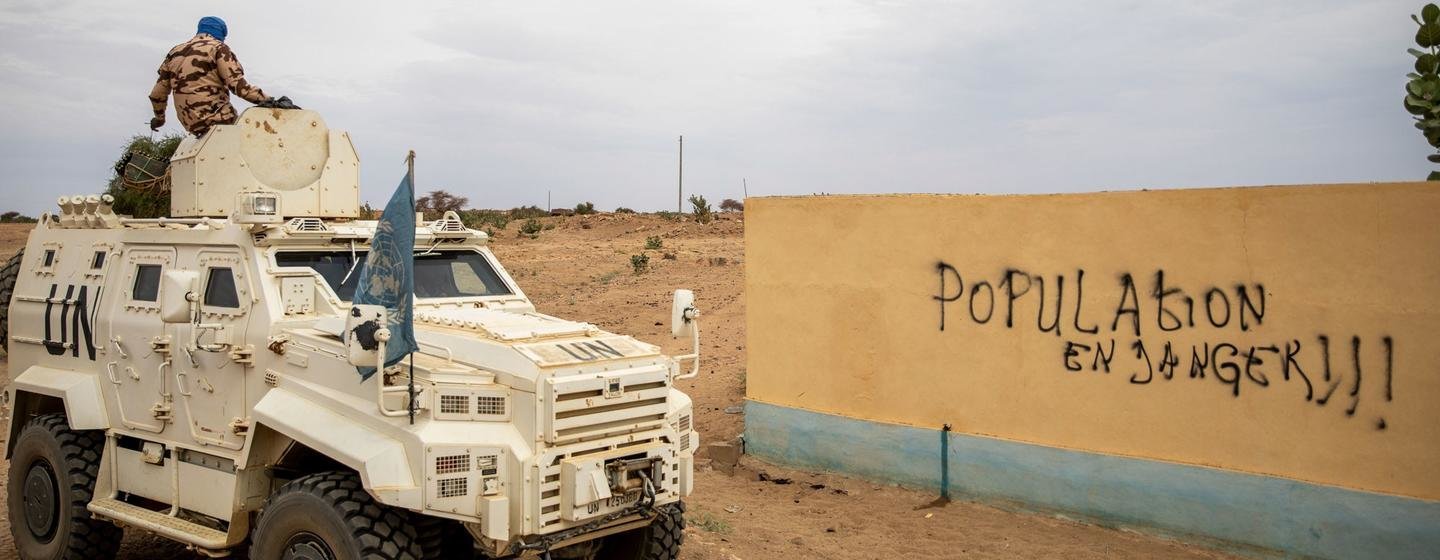
A MINUSMA armoured vehicle in Aguelhock, Mali.
©MINUSMA / Harandane Dicko
 
A MINUSMA armoured vehicle in Aguelhock, Mali.

Partners against crime

Reflecting this sinister trend, weapons seizures increased by 105 per cent between 2017 and 2021, and sting operations continue, said Amado Philip de Andrès, UNODC’s regional representative for West and Central Africa.

Joint investigations and cross-border cooperation are a winning combination, he said. One such operation crushed a terrorist network’s firearms supply route in December, and new partnerships are flourishing, including Niger’s military cooperation agreements with Benin and Burkina Faso.
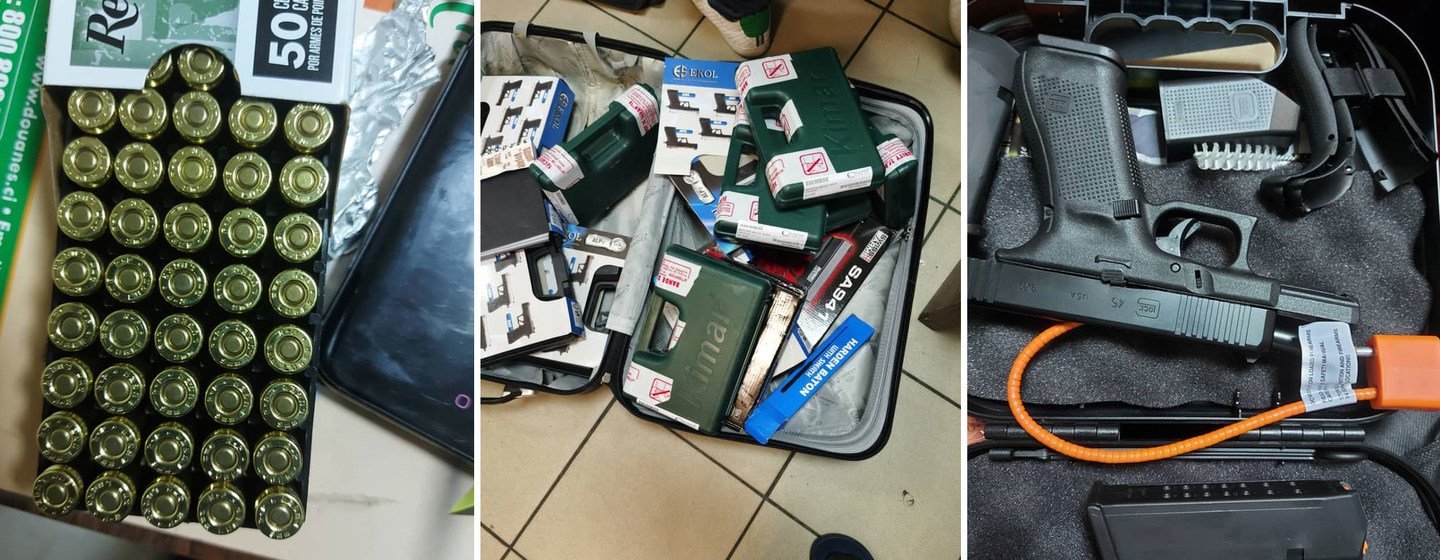
Firearms, ammunition and explosives were seized by INTERPOL across the Sahel.
UNODC/INTERPOL
 
Firearms, ammunition and explosives were seized by INTERPOL across the Sahel.

To fight terrorism and violent extremism, concerned nations in the region launched the Accra Initiative in 2017, deploying joint operations, initiating confidence-building efforts in hotspot areas, and calling for operationalizing a multinational joint task force comprising 10,000 soldiers.

For its part, the UN and the region’s countries work to strengthen the resilience of border communities and facilitate the return of displaced persons. Traction in advancing the African Union’s ground-breaking Silencing the Guns initiative is also under way, with a UN task force supporting an annual amnesty month and lending technical assistance on small arms control.

To build on these successes, UNODC recommended that Sahel countries reinforce efforts to collect data on firearms trafficking to improve understanding of and stop national and transnational flows.

But, political and operational support of partners remains essential to stabilize the region, said Martha Ama Akyaa Pobee, the UN Assistant Secretary-General for Africa.

“Decisive progress in the fight against terrorism, violent extremism, and organized crime in the Sahel must be made desperately,” she said. “Without significant gains, it will become increasingly difficult to reverse the security trajectory in the Sahel and the continued expansion of insecurity to coastal countries in West Africa.”
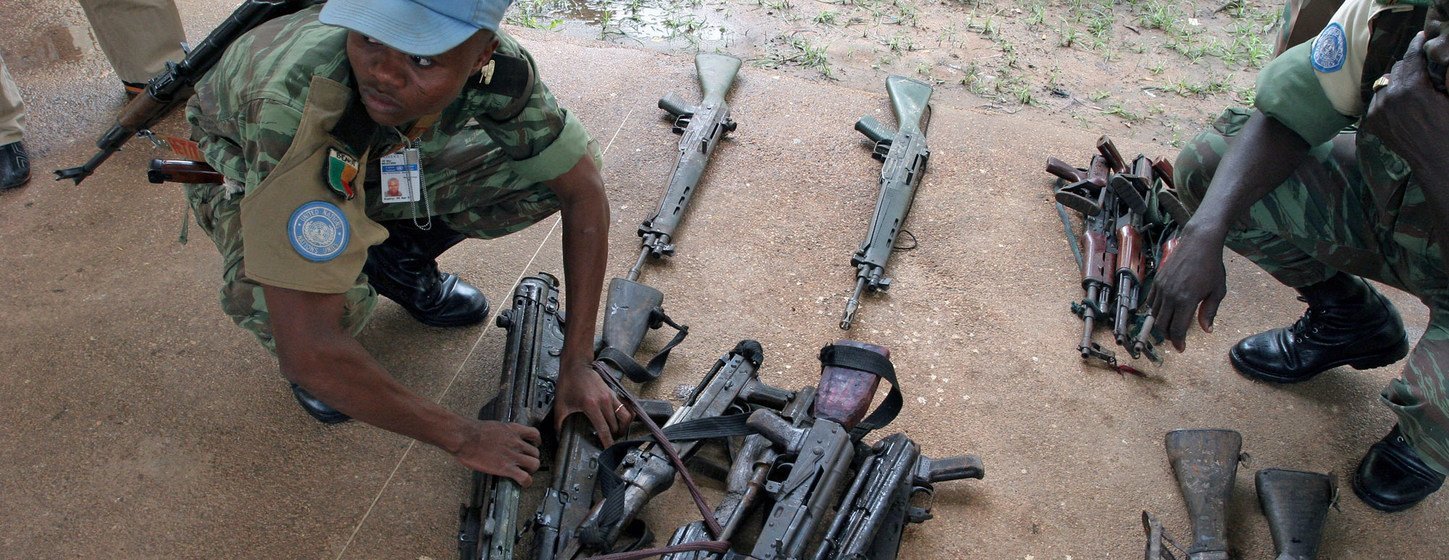
A UN peacekeeper with firearms collected from militias in Côte d'Ivoire.
UN Photo/Ky Chung
 
A UN peacekeeper with firearms collected from militias in Côte d'Ivoire.

‘We are all Burkinabes’

The backlash of the illicit arms trade is felt strongest on the ground. In the village of Bolle, Burkina Faso, a fragile security landscape crumbled frighteningly in 2019, when fierce fighting among heavily armed groups along the Malian border drove more than 100,000 people into the area to seek safety.

Sahelians like Chief Diambendi Madiega have worked together to welcome as many as they could.

“The concern I had was how to take care of the displaced people,” he said, upon receiving a UN Refugee Agency, UNHCR, award in 2021 for hosting more than 2,500 people.

“The responsibility is mine,” he explained. “Anything I can to do help them, I will. I am happy for what this community has done. This shows that we are all Burkinabes.”


UN in action

The UN, partners, and Sahelians themselves working for peace in the Sahel are making inroads and introducing new efforts, including these:

  • UN Peacekeeping adopted a strategy for disarmament, demobilization, and reintegration of former combatants.
  • The UN Regional Centre for Peace and Disarmament in Africa (UNREC) and the UN Development Programme (UNDP), in a joint project, assisted nine Sahelian countries in adopting a regional action plan to combat the illicit arms trade.
  • UNDP facilitated the voluntary surrender of over 40,000 small arms and light weapons in West Africa, built more than 300 houses, nearly 300 market stalls, and clinics and schools in northeastern Nigeria, and provided livelihoods for youth to protect them from sliding into poverty or being recruited into violent extremism.
  • The UN Office of Counter-Terrorism (UNOCT) supports the regional G5 Sahel Force in a project focused on criminal justice, border security management, and preventing radicalization and violent extremism.
  • A UN Children’s Fund (UNICEF) programme helps adolescents learn about the danger of small arms, combining basic gun safety education with leadership development, vocational training, and conflict resolution techniques.
  • UN regional directors and UNOWAS approved in November the launch of a revamped “peace and security offer” for the Sahel and works with the Timbuktu Institute and the non-governmental organization Dialogue sans frontières on an initiative aimed at strengthening traditional dialogue and trust-building platforms between communities in the border regions of Burkina Faso, Mali, and Niger.

 

Soundcloud
 https://news.un.org/en/story/2023/06/1137542
https://creativecommons.org/licenses/by/3.0/legalcode

суббота, 3 июня 2023 г.

Trafficking in the Sahel: Gas lighting


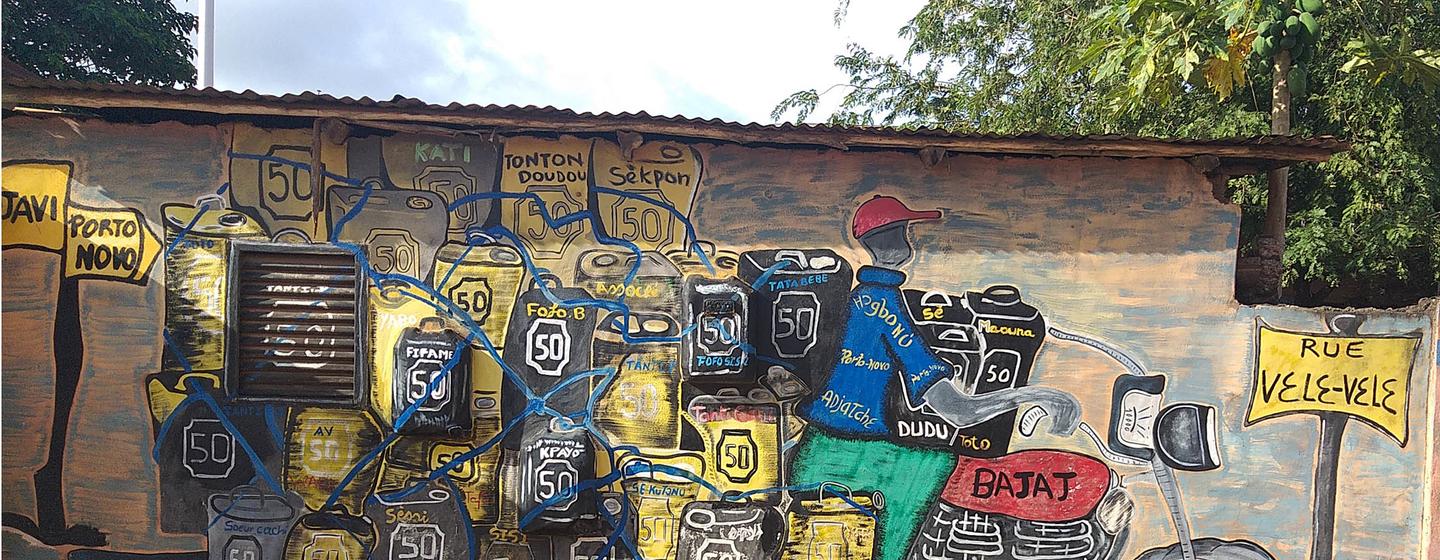
Graffiti showing a fuel transporter in Porto Novo, Benin.UNODC
 
Graffiti showing a fuel transporter in Porto Novo, Benin.
3 June 2023
SDGs

Kourou/Koualou, a tiny village in a neutral zone straddling Benin and Burkina Faso, was the centre of a one-million-litre-a-year cross-border illicit fuel trade, a snapshot of a phenomenon that spreads far across the 6,000-kilometre-wide African Sahel region.

In this feature, part of a series exploring the fight against trafficking in the Sahel, UN News focuses on the illegal fuel trade in the region.

Transported by criminal networks and taxed by terrorist groups, illegal fuel flows along four major routes snaking across the Sahel towards ready buyers, siphoning millions from nations on the road to stabilizing their security-challenged region, home to 300 million people.

“Fuel trafficking is undermining the rule of law; it’s fuelling corruption,” said François Patuel, Chief of the Research and Awareness Unit at the UN Office on Drugs and Crimes (UNODC). “It’s also enabling other forms of crime. That’s why it needs to be addressed.”

Demand calls, traffickers answer

Fuel trafficking is big business in the region. A report from the UNODC, Fuel Trafficking in the Sahel, finds that it funds illegal non-State armed groups, terrorist groups, financial institutions, corrupt law enforcement officials, and groups with ties to prominent individuals with interests in retail fuel companies. It is also in high demand among the population.

The biggest enablers are low, heavily subsidized gas prices in Algeria, Libya, and Nigeria. UNODC reported that Libyan gas stations charge 11 cents a litre, but across the border, Malian pump prices average $1.94.

Lost millions

“By just crossing the border, they make 90 cents profit per litre,” Mr. Patuel explained. “It’s easy revenue for criminal groups.”

He said the traffickers then sell to the population, who rely on cheaper fuel to carry out their activities and everyday life, from fuelling generators to produce electricity or fill their gas tanks to drive their goods to market.

“They really exploit those needs in order to sell their criminal products, including contraband fuel,” he added.

The UNODC report tracked operations across Burkina Faso, Chad, Mali, Mauritania, and Niger. Along well-trafficked routes, drivers carry millions of litres of contraband fuel each year. Established routes run from Algeria to Mali, another links Libya to Niger and Chad, and yet another begins in Nigeria via Benin towards Burkina Faso, and via Niger to Mali.

Lost revenue for Sahelian nations is staggering, said Amado Philip de Andrés, UNODC’s regional representative for West and Central Africa.

The illicit trade costs Niger almost $8 million annually in tax revenue, the according to the country’s High Authority for Combatting Corruption and Related Offences. Traffickers who evaded taxes by purchasing fuel marked for export at reduced costs and diverting deliveries domestically or across borders, the Government office said.

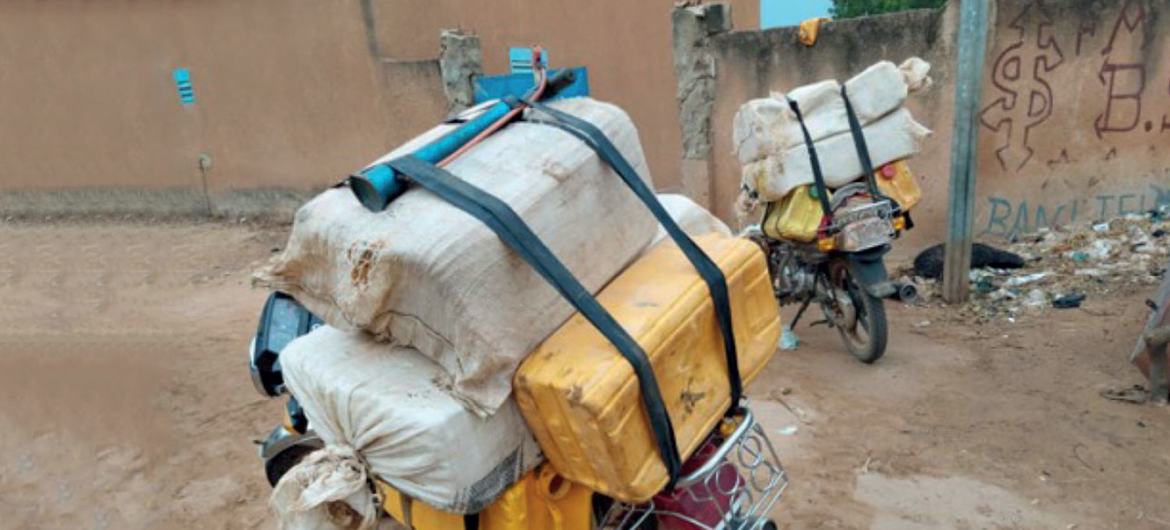
Motorbikes transporting smuggled fuel in Dosso, Niger, close to the Nigerian border.
© Harouna Ousmane Ibrahim
 
Motorbikes transporting smuggled fuel in Dosso, Niger, close to the Nigerian border.

Terror tax

Smugglers do, however, pay “taxes” to newly formed terrorist groups, including around Kourou/Koualou, where illegal warehouses stored tanks of contraband fuel while in transit, UNODC reports, adding that Al-Qaida-affiliated groups operate some of zone’s gold-rich mines, and routinely levy fees on contraband.

In terms of natural resource trafficking in Burkina Faso, Mali, and Niger, “local communities are particularly vulnerable, as they live in isolated areas with a limited law enforcement presence,” according to a Trends Alert report by the Security Council’s Counter-Terrorism Committee Executive Directorate (CTED).

Often, contraband fuel scratches the surface of a very deep well of trafficking, reflecting a nexus of criminal activities, from drugs to migrants, Mr. Patuel said, citing the example of a 2021 Nigerian police seizure of 17 tons of cannabis resin involving a known fuel trafficker who owned petrol stations. The suspect allegedly used drug trafficking proceeds to buy contraband fuel sold at his petrol stations.

UNODC highlighted other new and disturbing trends showing companies associated with Security Council-sanctioned individuals involved in fuel smuggling from the Niger to Mali, as traffickers peddle an ever-growing range of products.

Such profiteering has raised alarms across the UN system. Continuously expressing concern at terrorist groups using proceeds of natural resource trafficking to fund their nefarious activities, the UN Security Council has urged States to, among other things, hold perpetrators accountable.

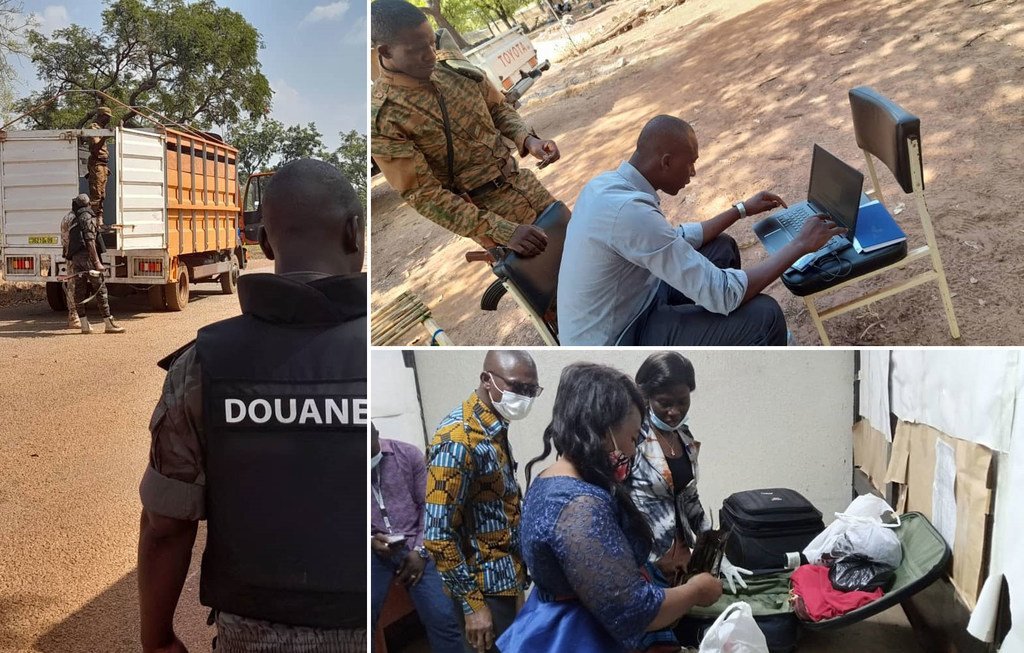
In Burkina Faso, frontline officers carried out checks at suspected smuggling hotspots.
UNODC/INTERPOL
 
In Burkina Faso, frontline officers carried out checks at suspected smuggling hotspots.

Excising corruption

However, ending fuel smuggling is a complex venture with potentially deadly consequences in a region with sky-high rates of informal employment, from 78.2 per cent in the Niger to 96.9 per cent in Chad. Damming illicit fuel flows, the UNODC worries, could drive up transportation and energy prices along with costs for most commercial goods and services.

The Office suggests that Sahelian nations and neighbouring countries identify and prosecute fuel smuggling cases with direct links to organized crime, armed groups, and corruption. At hand are tools contained in such international treaties as the UN Convention against Transnational Organized Crime and UN Convention against Corruption.

Capping illicit flows

While some anti-smuggling efforts have been met with violent resistance, including the death of a law enforcement officer, despite the risks, the nations continue to stem illicit flows using fresh and collaborative approaches, UNODC said.

The agency’s latest threat assessment on the phenomenon provided a raft of examples, from police-escorted gas convoys in Algeria near the Malian border to Benin’s imposed curfews and raids to stop cross-border armed groups.

For its part, Burkina Faso has been meticulously dismantling since 2019 a highly organized fuel trafficking network that smuggled more than 3 million litres of contraband over a three-year period, with fleets of trucks transporting up to 30,000 litres per trip.

Back in Kourou/Koualou, the flow of illegal fuel has been reduced to just a trickle following government crackdowns, but terrorist groups continue “to tax what fuel is still being trafficked, as well as other smuggled goods”, according to UNODC.

“Criminal groups feed on and exploit the needs of the population,” the agency’s chief researcher Mr. Patuel said. “Combining the efforts and having a regional approach will lead to success in addressing organized crime in the region.”

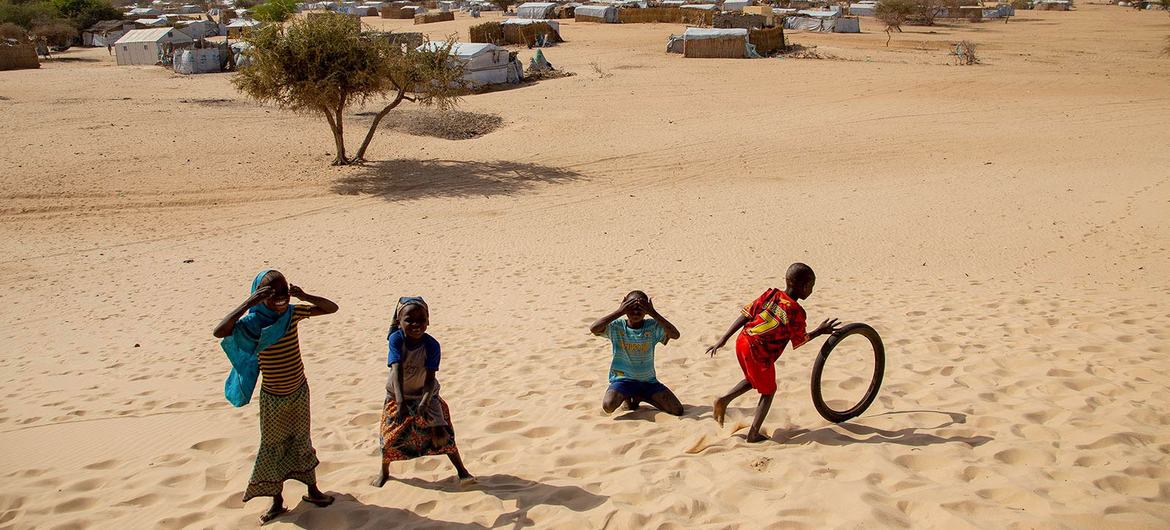
Ongoing violence, climate change, desertification, and tension over natural resources are all worsening hunger and poverty across Chad.
© UNDP/Aurelia Rusek
 
Ongoing violence, climate change, desertification, and tension over natural resources are all worsening hunger and poverty across Chad.

UN in action

The UN and its partners are working to stamp out trafficking and also build up opportunities in the region. Here are some examples:

  • The UN launched a $180 million project in 2022 targeting 1.6 million people in the Liptako-Gourma area, straddling the borders of Burkina Faso, Mali, and Niger, aimed at improving economic opportunities and livelihoods, with a focus on women, youth, and pastoralists, as part of its Integrated Strategy for the Sahel (UNISS).
  • Within UNISS peace and security initiatives, a project is helping to prevent the spread and rise of violent extremism in transborder areas between Senegal, Guinea, and Mali.
  • Stakeholders exchanged initiatives and ideas on preventing violent extremism in West and Central Africa at a meeting held in Dakar from 28 February to 2 March and co-organized by the UN Office for West Africa and the Sahel (UNOWAS), Senegal’s Centre for Advanced Defence and Security Studies, and Switzerland’s foreign affairs department.

  • The International Organization for Migration (IOM) and the G5 Sahel Force signed a new agreement in April to strengthen regional and intra-state cooperation across the spectrum of human mobility as an accelerator to building resilience, development, and integrated border governance in the G5 countries (Burkina Faso, Chad, Mali, Mauritania, and Niger).

  • The UN Children’s Fund (UNICEF) is addressing emerging challenges in Côte d'Ivoire, issuing in late May its first situation report on the country, which continues to be impacted by the spillover of conflict from the central Sahel crisis.
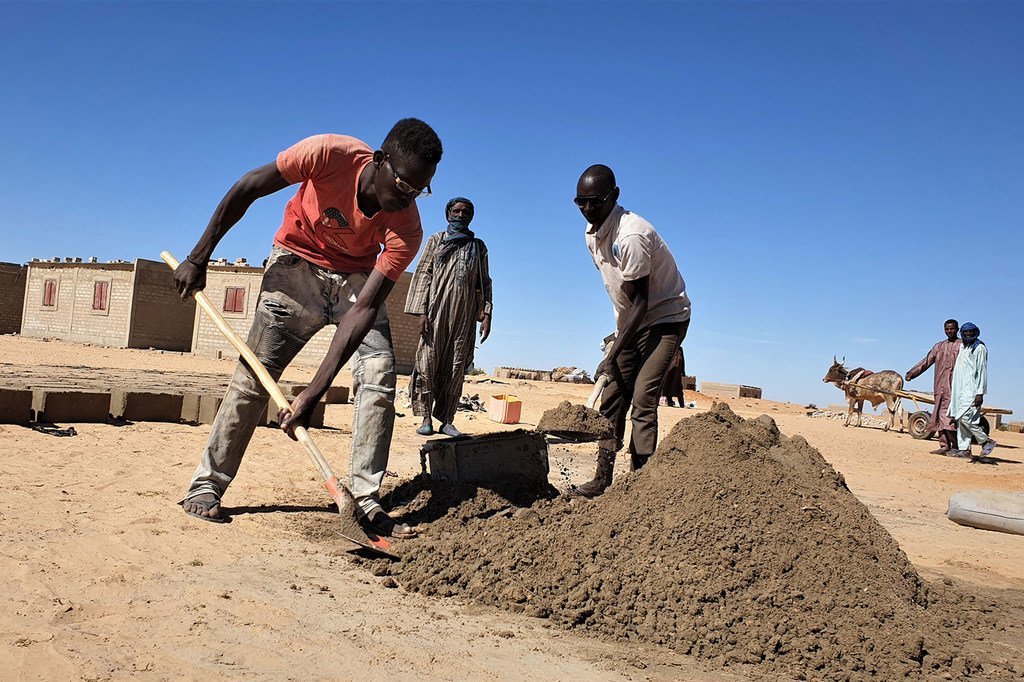
The UN refugee agency, UNHCR, has launched cash-for-work programmes which employ youth from host communities in Awaradi, Niger, to make bricks.
UNOCHA/Eve Sabbagh
 
The UN refugee agency, UNHCR, has launched cash-for-work programmes which employ youth from host communities in Awaradi, Niger, to make bricks.

 https://news.un.org/en/story/2023/06/1137072


https://creativecommons.org/licenses/by/3.0/legalcode

воскресенье, 21 мая 2023 г.

Trafficking in the Sahel: Guns, gas, and gold

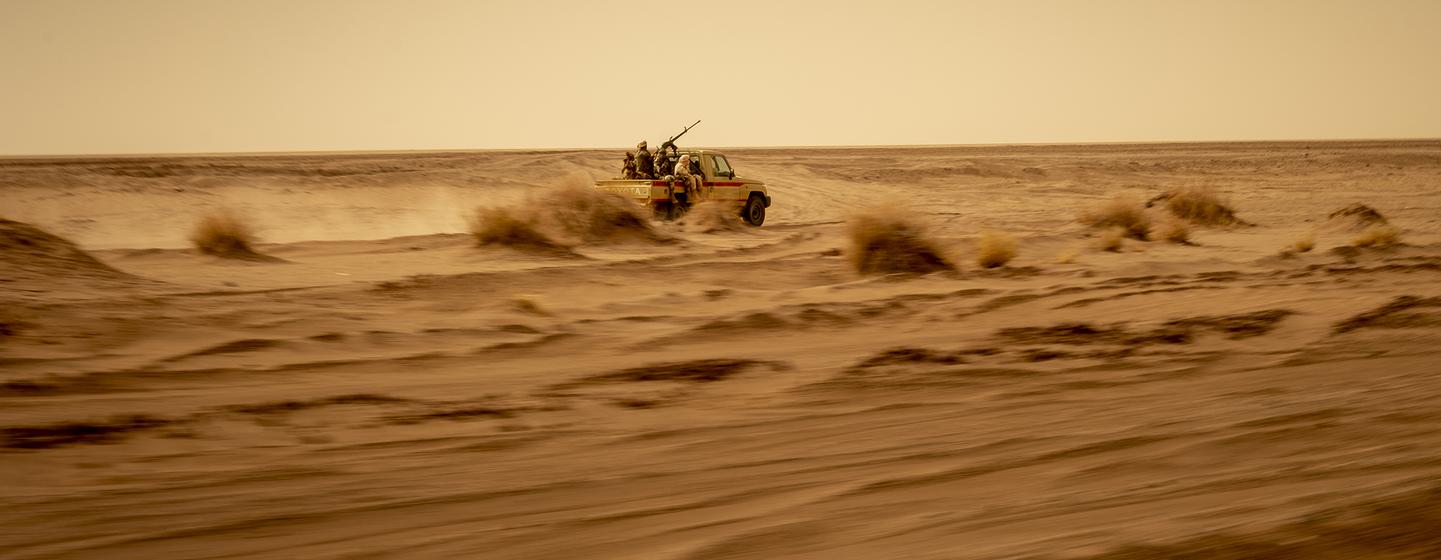
The Nigerien army patrols the Sahara desert targetting  militant groups including ISIL and Boko Haram.

Trafficking in the Sahel: Guns, gas, and gold

© UNICEF/Gilbertson
 
The Nigerien army patrols the Sahara desert targetting militant groups including ISIL and Boko Haram.
20 May 2023
SDGs

Chili peppers, fake medicine, fuel, gold, guns, humans, and more are being trafficked via millennia-old trade routes crisscrossing the Sahel, and the UN and partners are trying out new, collaborative ways to thwart those attempting the illegal practice, a growing problem in this fragile African region.

In the first of a series of features exploring the fight against trafficking in the Sahel, UN News takes a closer look at what’s behind the growth of the phenomenon.

A tangled trafficking web has been woven across the Sahel, which spans almost 6,000 kilometres from the Atlantic Ocean to the Red Sea, and is home to more than 300 million people, in Burkina Faso, Cameroon, Chad, The Gambia, Guinea, Mali, Mauritania, Niger, Nigeria, and Senegal.

The Sahel is described by the UN as a region in crisis: those living there are prey to chronic insecurity, climate shocks, conflict, coups, and the rise of criminal and terrorist networks. UN agencies expect that more than 37 million people will need humanitarian assistance in 2023, about 3 million more than in 2022.

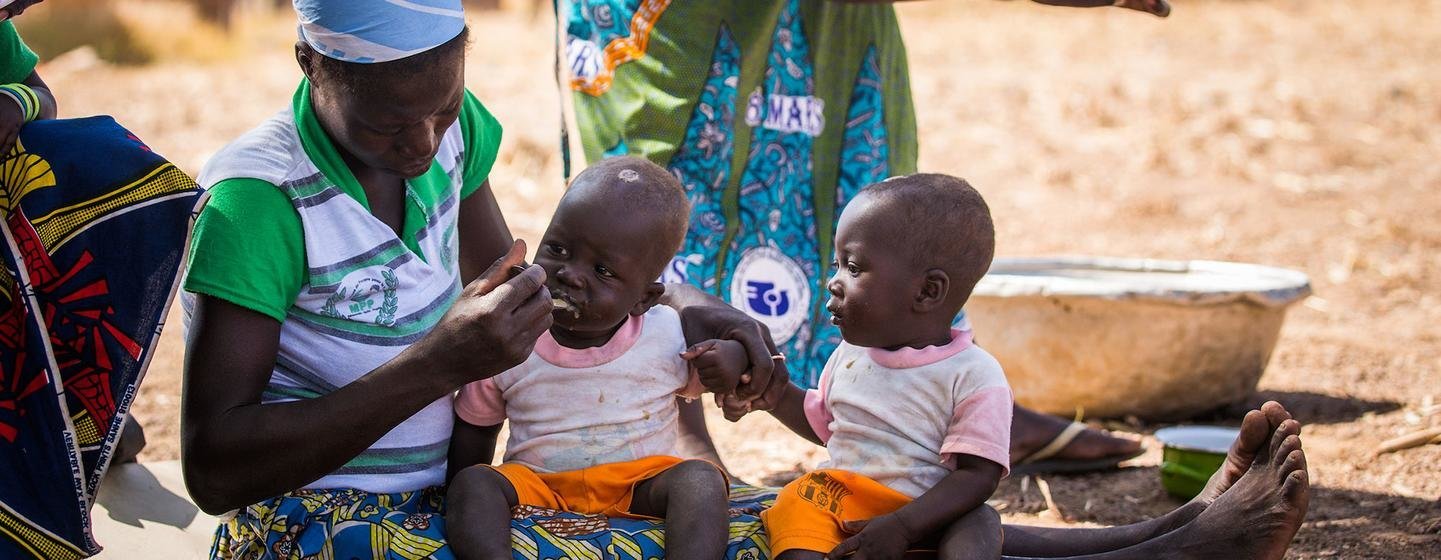
Food insecurity is affecting millions of people in Burkina Faso.
© UNICEF/Vincent Treameau
 
Food insecurity is affecting millions of people in Burkina Faso.

Unravelling security

Security has long been an issue in the region, but the situation markedly degraded in 2011, following the NATO-led military intervention in Libya, which led to the ongoing destabilization of the country.

The ensuing chaos, and porous borders stymied efforts to stem illicit flows, and traffickers transporting looted Libyan firearms rode into the Sahel on the coattails of insurgency and the spread of terrorism.

Armed groups now control swathes of Libya, which has become a trafficking hub. The terrorist threat has worsened, with the notorious Islamic State (ISIL) group entering the region in 2015, according to the UN Security Council Counter-Terrorism Committee’s Executive Directorate (CTED).

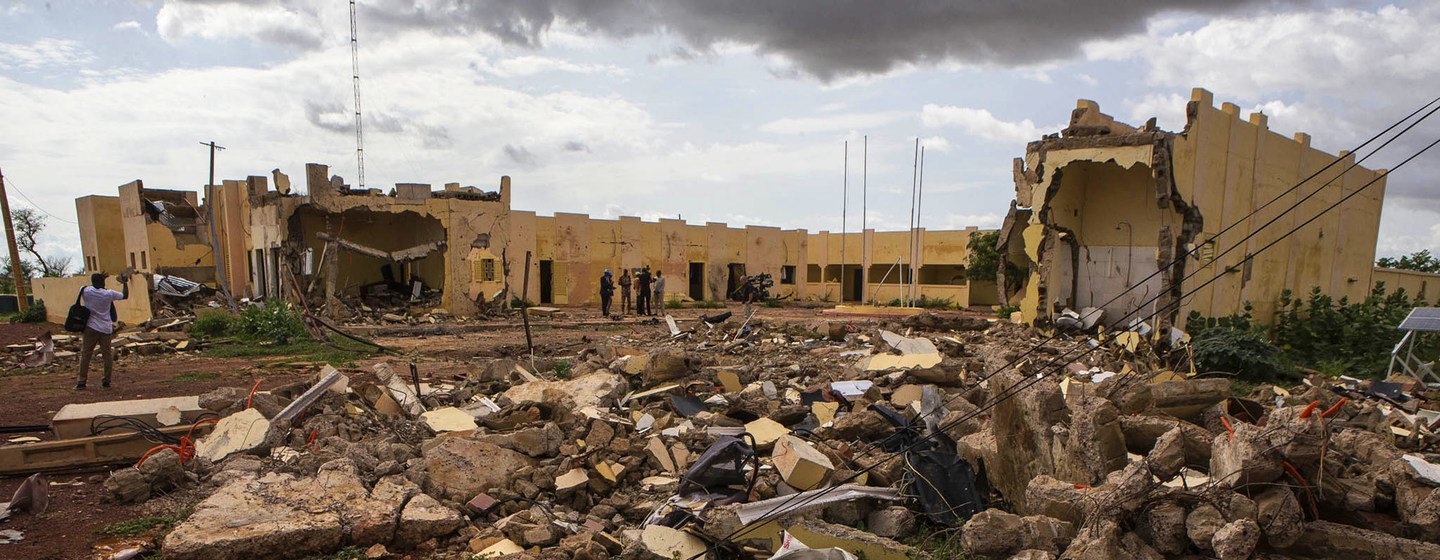
The G5 Sahel Force headquarters was destroyed by a terrorist attack in 2018 in Mopti, Mali.
MINUSMA/Harandane Dicko
 
The G5 Sahel Force headquarters was destroyed by a terrorist attack in 2018 in Mopti, Mali.

Markets across the Sahel can be found openly selling a wide range of contraband goods, from fake medicines to AK-style assault rifles. Trafficking medication is often deadly, estimated to kill 500,000 sub-Saharan Africans every year; in just one case, 70 Gambian children died in 2022 after ingesting smuggled cough syrup. Fuel is another commodity trafficked by the main players – terrorist groups, criminal networks, and local militias.

Closing corridors of crime

In order to fight trafficking and other evolving threats, a group of countries in the region – Burkina Faso, Mali, Mauritania, Niger, and Chad – formed, with the support of the UN, the Joint Force of the Group of Five for the Sahel (G5 Sahel).

Meanwhile, cross-border cooperation and crackdowns on corruption are on the rise. National authorities have seized tons of contraband, and judicial measures have dismantled networks. Partnerships, such as the newly signed Côte d’Ivoire-Nigeria agreement, are tackling the illegal drug trade.

The UN Office on Drugs and Crime (UNODC) is a leading player in efforts to bolster security by stopping trafficking attempts.

In 2020, for example, KAFO II, a UNODC-INTERPOL operation, successfully choked off a Sahel-bound terrorist supply route, with officers seizing a bounty of trafficked spoils: 50 firearms, 40,593 dynamite sticks, 6,162 ammunition rounds, 1,473 kilograms of cannabis and khat, 2,263 boxes of contraband drugs, and 60,000 litres of fuel.

Sting operations such as KAFO II provide valuable insights into trafficking’s increasingly complex and interwoven nature, demonstrating the importance of connecting the dots between crime cases involving firearms and terrorists across different countries, and taking a regional approach.

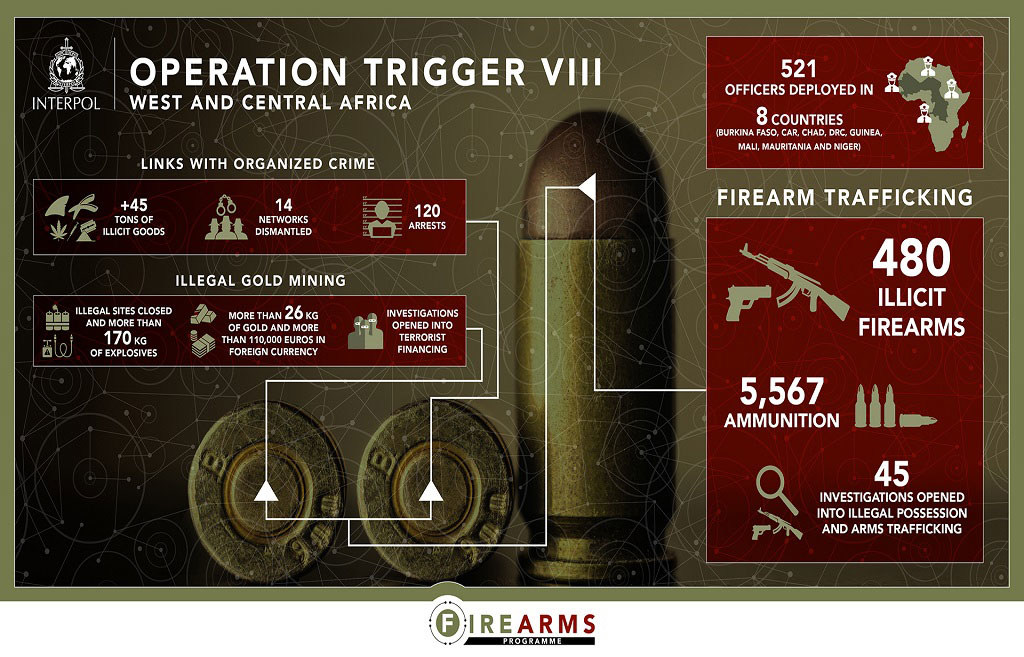
An international police operation coordinated by INTERPOL in 2022 targeting the movement of illicit firearms in Central and West Africa has led to some 120 arrests and the seizure of firearms, gold, drugs, fake medication, wildlife products, and cash.
© INTERPOL
 
An international police operation coordinated by INTERPOL in 2022 targeting the movement of illicit firearms in Central and West Africa has led to some 120 arrests and the seizure of firearms, gold, drugs, fake medication, wildlife products, and cash.

Corruption crackdown

These insights are backed up in a raft of new UNODC reports, mapping out the actors, enablers, routes, and scope of trafficking, reveal common threads amongst the instability and chaos, and provide recommendations for action.

One of those threads is corruption, and the reports call for judicial action to be bolstered. The prison system also needs to be engaged, as detention facilities can become “a university for criminals” to broaden their networks.

“Organized crime is feeding on the vulnerabilities and also undermining stability and development in the Sahel,” says François Patuel, head of the UNODC Research and Awareness Unit. “Combining efforts and taking a regional approach will lead to success in addressing organized crime in the region.”

Crisis poses ‘global threat’

Fighting organized crime is a central pillar in the wider battle to deal with the security crisis in the region, which UN Secretary-General António Guterres poses a global threat.

“If nothing is done, the effects of terrorism, violent extremism, and organized crime will be felt far beyond the region and the African continent,” Mr. Guterres warned in 2022. “We must rethink our collective approach and show creativity, going beyond existing efforts.”

How the UN supports people of the Sahel

  • The UN Office of the High Commissioner for Human Rights (OHCHR) has provided direct support to the G5 Sahel Force to operationalize and implement measures to reduce civilian harm and respond to violations.
  • UNODC routinely joins national and global partners, including INTERPOL, to choke supply routes.
  • The International Organization for Migration (IOM) crisis response plan aims at reaching almost 2 million affected people while addressing the structural causes of instability, with a specific focus on cross-border fragility.
  • WHO launched an emergency appeal to fund health projects in the region in 2022, and works with 350 health partners in six countries.
  • The UN Integrated Strategy for the Sahel (UNISS) provides direction for on-the-ground efforts in 10 countries.
  • The UN Support Plan for Sahel continues to foster coherence and coordination for greater efficiency and results delivery related to the UNISS framework, in line with Security Council resolution 2391.
The UN works at building food security, which in turn, builds climate security in Mali.
© UNDP Mali
 
The UN works at building food security, which in turn, builds climate security in Mali.

 https://news.un.org/en/story/2023/05/1136847


https://creativecommons.org/licenses/by/3.0/legalcode