A closely watched Security Council election delivered a mix of continuity and change on Wednesday, as Austria, Portugal, Trinidad and Tobago, Zimbabwe – and first-time member Kyrgyzstan, secured seats around the iconic horseshoe table.
A dramatic morning which saw multiple rounds of voting for the competitive seats, came amid widening geopolitical divisions and repeated deadlock within the UN body dedicated to resolving conflicts and preventing wars from erupting in the first place.
The five countries were elected by the 193-member General Assembly to serve as non-permanent members of the Security Council for two-year terms beginning on 1 January 2027.
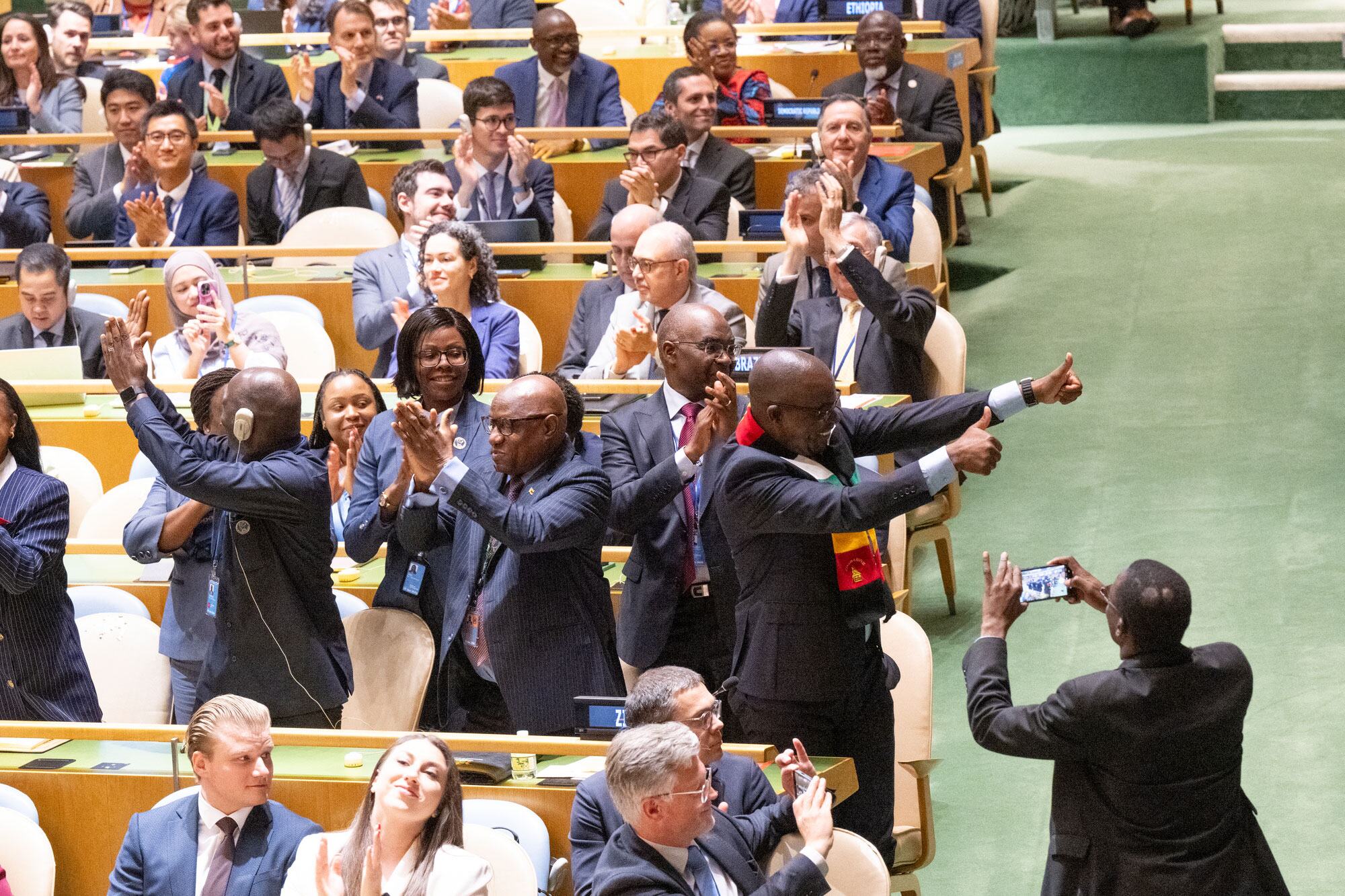
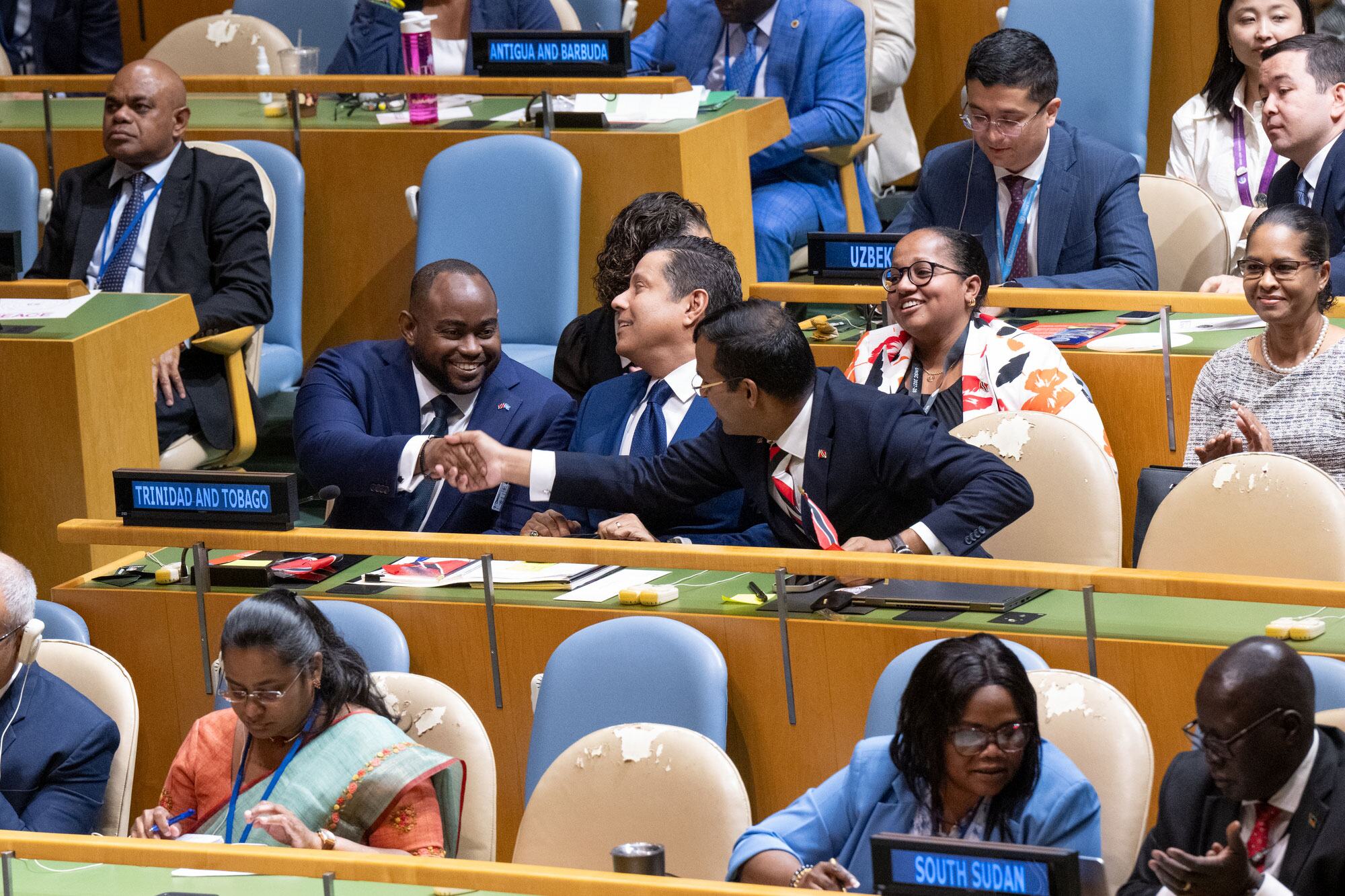
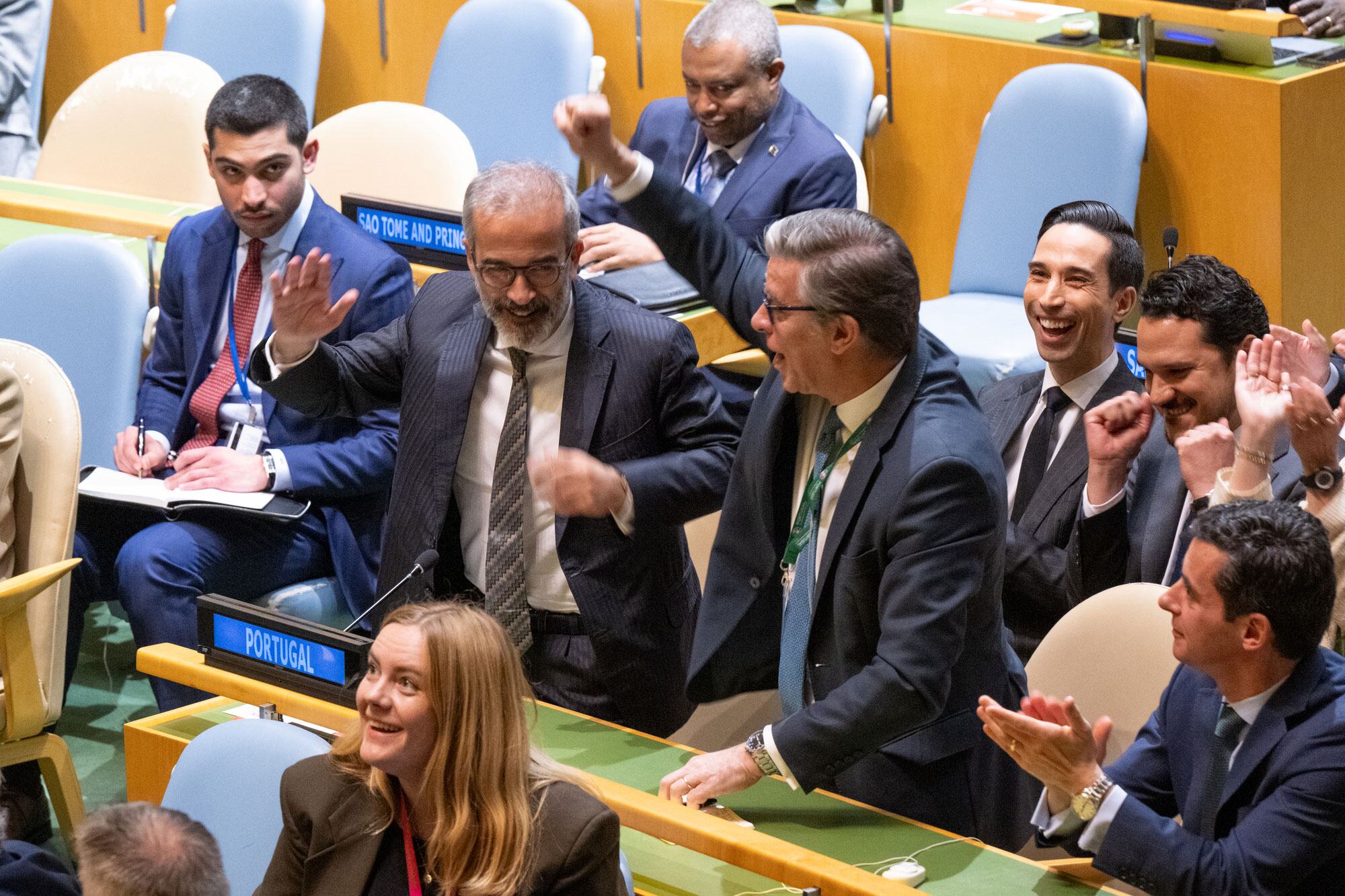
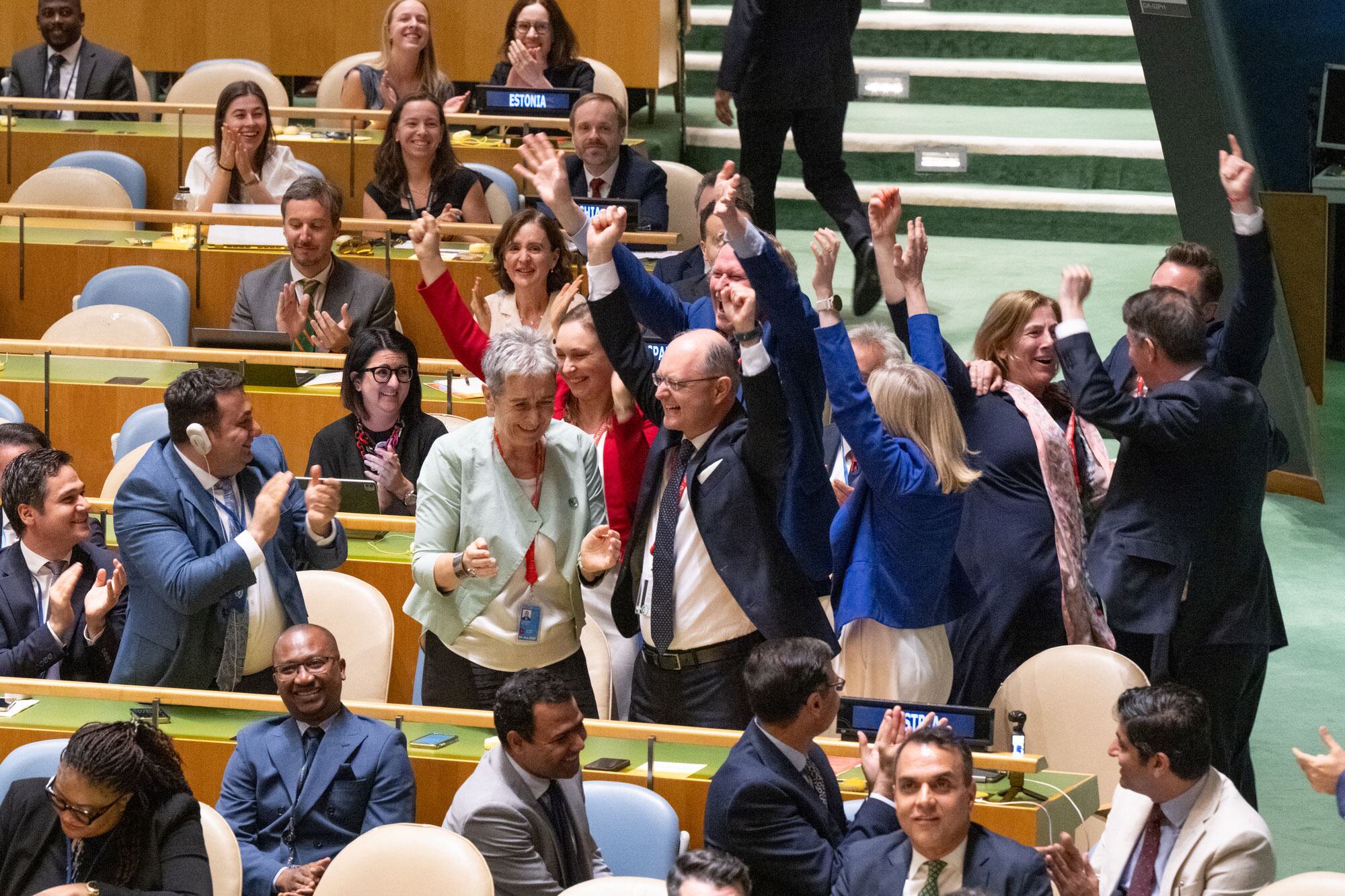
Austria and Portugal won the two seats allocated to the Western European and other States (WEOG) Group, while Trinidad and Tobago and Zimbabwe were elected from the Latin American and Caribbean Group and the African Group respectively.
Kyrgyzstan secured the Asia-Pacific seat after defeating the Philippines in four rounds of voting.
Vote tally
Portugal and Austria prevailed in the first round, receiving 134 and 131 votes respectively – comfortably above the required two-thirds majority. Germany received 104 votes and was eliminated.
In the Latin American and Caribbean Group, Trinidad and Tobago secured 181 votes, while Guyana received one vote despite not being a candidate.
Zimbabwe, the sole candidate for the African Group seat, received 182 votes.
Kyrgyzstan makes history
The most competitive contest unfolded in the Asia-Pacific Group. Kyrgyzstan led the first ballot with 105 votes to the Philippines’ 85, before steadily increasing its support through three head-to-head rounds of voting, ultimately prevailing by 142 to 49 in the fourth round.
The election marks a historic milestone for Kyrgyzstan, which will serve on the Security Council for the first time since joining the United Nations in 1992.
Delegates from the Kyrgyz mission applauded and celebrated with other diplomatic well-wishers for several minutes following the result inside the gilded General Assembly Hall.
The other four newly elected members all have previous Council experience: Austria and Portugal have served three times each, Zimbabwe twice and Trinidad and Tobago once.
Fifteen seats
The Council comprises 15 members: five permanent members – China, France, Russia, the United Kingdom and the United States – with veto power and 10 non-permanent members elected for staggered two-year terms.
Seats are distributed among regional groups to ensure geographical representation.
The five countries elected on Wednesday will replace Denmark, Greece, Pakistan, Panama and Somalia when their terms conclude at the end of 2026.
Bahrain, Colombia, the Democratic Republic of the Congo, Latvia and Liberia will remain on the Council through the end of 2027, providing continuity in its work.
Peace under pressure
The incoming members will take their seats at a moment when the Council faces some of its most difficult tests in years.
Its work has increasingly been shaped by geopolitical rivalries among major powers, particularly the five permanent members.
Deep divisions over conflicts including Ukraine and Gaza have led to stalemate, frustrating action, while the use of vetoes has at times prevented agreement on resolutions addressing major crises.
Growing calls for reform
The Council has also faced mounting calls for reform, with UN and world leaders arguing that its composition no longer reflects contemporary geopolitical realities.
Secretary-General António Guterres has repeatedly warned that international institutions remain “stuck in the world as it was in 1945, not the world of today,” including the Security Council itself.
African countries have been among the strongest advocates for change, arguing that a continent of 54 Member States remains underrepresented in the Council's permanent decision-making structures. Calls for expanded representation from developing countries overall have also grown louder.
https://news.un.org/en/story/2026/06/1167636
https://creativecommons.org/licenses/by/4.0/legalcode

Комментариев нет:
Отправить комментарий