среда, 31 мая 2023 г.

UN commends Criminal Tribunal for former Yugoslavia, as final judgement is delivered


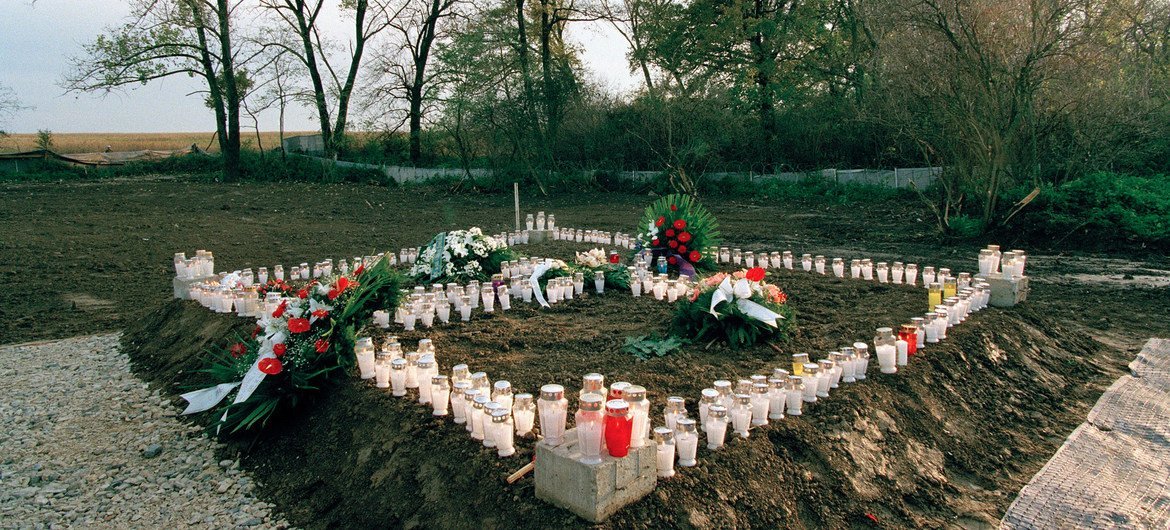
Candles and wreaths mark a mass grave site at Ovcara, Croatia, where approximately 200 civilians were massacred in 1994.
UN Photo/Eric Kanalstein

 
Candles and wreaths mark a mass grave site at Ovcara, Croatia, where approximately 200 civilians were massacred in 1994.
31 May 2023
Human Rights

The UN chief on Wednesday commended the work of the judges and staff of the International Criminal Tribunal for the former Yugoslavia (ICTY), as its final judgement was delivered, increasing the prison sentences on appeal of two former top Serbian security officials.

Jovica Stanišić and Franko Simatović were convicted by the court – part of the International Residual Mechanism for Criminal Tribunals (IRMCT) which took over from the ICTY – in 2021, for their roles training death squads accused of ethnic cleansing during the conflict that saw the breakup of the former Yugoslavia in the early 1990s.

Tweet URL

The two were originally sentenced to 12 years by the court in 2021, but Wednesday’s appeal judgement against them, increased that to 15 years, on the grounds that they were “liable as members of a joint criminal enterprise for crimes committed by various Serb forces in Bosnia and Herzegovina in 1992”, as well as responsible for murder, in the same year.

Justice for the victims

In a statement, UN Spokesperson Stéphane Dujarric said that Secretary-General António Guterres “takes note of this appeal and extends his thoughts to the victims, and survivors and their families who have suffered from the crimes for which both defendants have been found guilty.”

The judgement marks the end of the final case relating to “core crimes” that the Mechanism inherited from the ICTY, which was established in 1993 to prosecute suspected war criminals.

The IRMCT Chief Prosecutor, Serge Brammertz, said that the decision demonstrated that the international community, “when united, can deliver justice to the victims and hold the most senior perpetrators responsible for their crimes.

Remembering the victims and survivors, and sheer courage of witnesses who have come forward, he added that there were still thousands of war crimes suspects throughout the former Yugoslavia, “who remain to be prosecuted.”

“We will continue our intensive efforts to provide assistance to national counterparts, to ensure that more justice is achieved for more victims.”

Truth triumphs

UN High Commissioner for Human Rights Volker Türk, also welcomed Wednesday’s final judgement, describing the outcome as a major step to establishing the truth and addressing impunity.

“The extraordinary work and legacy of the Mechanism and of the International Criminal Tribunal before it, have not only contributed to establishing truth, justice and accountability over the years but have also powerfully advanced international criminal justice standards globally,” Mr. Türk said.

Like the Secretary-General, the UN rights chief highlighted the courage, resilience and perseverance of survivors and families who, despite appalling trauma, never stopped seeking truth and justice.

“I want to praise, strongly, the survivors and their families, whose suffering is unimaginable but who persisted in demanding their rights,” he said.

He also stressed that many survivors and their families are still awaiting truth, justice and reparations.

Threats continue

Many victims continue to face threats, intimidation, hate speech and revisionist rhetoric, including rejection of the tribunals’ decisions; denials that crimes were committed; justification of atrocities; and the glorification of war criminals.

“Verdicts like today’s, remind us of an awful past to which we must never return.

He urged the authorities, “media outlets and people in Bosnia and Herzegovina, Croatia, Montenegro, Serbia, North Macedonia and Kosovo, to step up efforts to advance truth, justice, reparation and guarantees of non-recurrence.

“Revisionist narratives, genocide denial, divisive rhetoric and hate speech, from any quarter, are unacceptable.”


 https://news.un.org/en/story/2023/05/1137222

https://creativecommons.org/licenses/by/3.0/legalcode

Security Council Unanimously Adopts 2022 Annual Report to General Assembly


9330TH MEETING (AM)
SC/15295

The Security Council today unanimously adopted its annual report to the General Assembly covering the period from 1 January to 31 December 2022.

João Genésio de Almeida Filho (Brazil), whose delegation coordinated the drafting of the report’s introduction, presented the text to the 15-nation organ.  Thanking members for their constructive engagement and the Secretariat for its impeccable work, he said the year 2022 was extremely challenging for all.  Notwithstanding the uncertainties of the COVID-19 pandemic and the “disturbing signs of deterioration” within the Council’s political environment, it nevertheless achieved important results whenever it placed the need for cooperation above individual perspectives.

“At those times, we lived up to the expectations and responsibilities placed on us by the United Nations,” he reported, spotlighting Council resolution 2642 (2022) — which renewed the authorization for cross-border humanitarian assistance for Syria for six months — and Council resolution 2699 (2022) — the first ever resolution on Myanmar in which the organ expressed its firm support for concrete measures and an end to the violence — as two eloquent examples.  Despite deep disagreements over the best course of action, the interests in finding pragmatic solutions to alleviate human suffering prevailed over political cleavages.

“In both cases, the Council successfully fulfilled its mandate under the UN Charter,” he continued, emphasizing:  “It will not always be possible to bridge the divisions among us. However, the realization that cooperation is viable even in one of the most difficult periods in the Council’s history should renew our faith in the mission of this body.”

By the terms of the Charter of the United Nations, the Security Council is tasked with submitting an annual report to the General Assembly that contains a summary of its work and the activities of its subsidiary bodies — including counter-terrorism committees, sanctions committees, working groups and international tribunals it has established.

The report’s adoption will be reflected in a note by the President, to be issued as document S/2023/369.

The meeting began at 10:03 a.m. and ended at 10:09 a.m.


 https://press.un.org/en/2023/sc15295.doc.htm
https://creativecommons.org/licenses/by/3.0/legalcode
Security Council Authorizes One-Year Mandate Extension of United Nations Assistance Mission for Iraq, Unanimously Adopting Resolution 2682 (2023)


9331ST MEETING (AM)
SC/15296

The Security Council extended the mandate of the United Nations Assistance Mission for Iraq (UNAMI) today for another year until 31 May 2024, retaining its core tasks.

Unanimously adopting resolution 2682 (2023) (to be issued as document S/RES/2682(2023)) the Council requested that the Secretary–General’s Special Representative for Iraq and UNAMI prioritize the provision of advice, support, and assistance to the Government and people of Iraq on advancing inclusive, political dialogue and national and community-level reconciliation, considering civil society input, with the full, equal and meaningful participation of women.

The 15-nation organ also requested the Special Representative and UNAMI to further advise and assist the Government of Iraq in strengthening electoral preparation and processes to ensure free and fair elections; the implementation of constitutional provisions, as well as on the development of processes acceptable to the Government of Iraq to resolve disputed internal boundaries; and progress on security sector reform.

The Council also requested the Special Representative and UNAMI to promote, support, and facilitate, in coordination with the Government of Iraq, the timely, voluntary and dignified return or local integration of internally displaced persons and displaced Iraqis in Syria; the coordination of programmes to improve Iraq’s capacity to provide effective essential civil and social services; and efforts on economic reform and capacity-building.

The Mission was also asked to promote accountability and the protection of human rights, and judicial and legal reform; approach gender mainstreaming as a cross-cutting issue throughout its mandate, including by consulting with diverse women’s civil society groups; and note the importance of treating children affected by armed conflict primarily as victims.

Further terms of the text requested the Secretary-General to conduct and provide the Security Council, no later than 31 March 2024, with an independent strategic review of UNAMI, in consultation with the Government of Iraq, assessing current threats to Iraq’s peace and security, as well as the continued relevance of UNAMI’s tasks and priorities.

The meeting began at 10:09 a.m. and ended at 10:11 a.m.


 https://press.un.org/en/2023/sc15296.doc.htm

https://creativecommons.org/licenses/by/3.0/legalcode
Fresh diplomatic gains must match action on the ground in Syria to end war


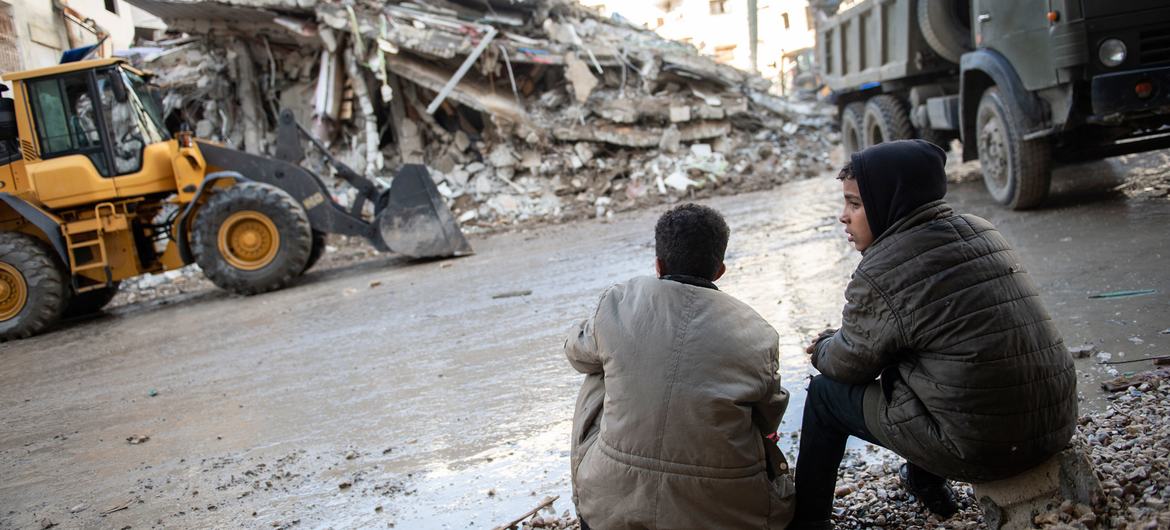
Two children look at damage caused by the February 2023 earthquake tin northwestern Syria.
© UNICEF/Hasan Belal
 
Two children look at damage caused by the February 2023 earthquake tin northwestern Syria.
Peace and Security

Action on the ground must match diplomacy’s steadily advancing gains towards ending the 12-year-old war in Syria, where violence is once again, killing a growing numbers of civilians, the top UN official in the country said on Tuesday.

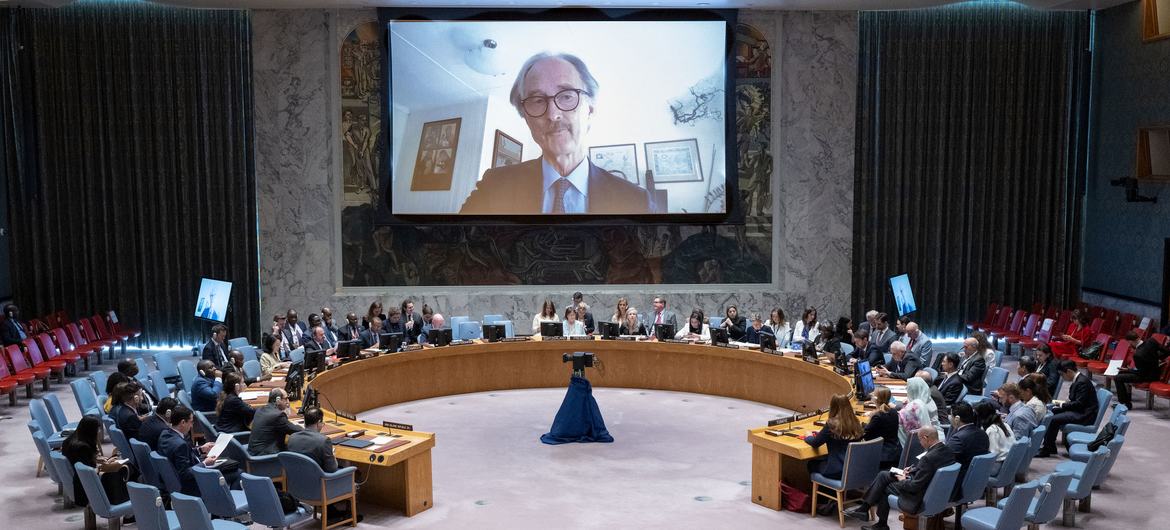
“It is vital that the recent diplomatic moves are matched with real action,” said Geir Pedersen, the UN Secretary-General’s Special Envoy for Syria, briefing the Security Council on recent political and humanitarian developments.

Tweet URL

A range of diplomatic initiatives have quickened the pace towards finding solutions on, among other things, continuing a direct dialogue with the Government of Syria, including such concerns raised in Security Council resolution 2254 as territorial integrity, and working towards national reconciliation.

In the last month, Moscow hosted a meeting of the foreign ministers of Iran, Russia, Syria, and Türkiye, and Amman held a meeting with counterparts from Egypt, Iraq, Jordan, Saudi Arabia, and Syria.

The League of Arab States adopted related resolutions in Cairo, and an Arab Ministerial Liaison Committee was established to continue the direct dialogue with the Syrian Government. During the same period, the President of Syria participated in the Arab League Summit in Jeddah.

Danger of status quo

“Common attention to these themes and points [of discussions] could present a real opportunity to move forward,” he said, but, he said in his discussions with key ministers involved in seeking a diplomatic solution, he has “made clear that I appreciate the dangers of the status quo both for the Syrian people and for regional and other actors, who want to curb instability”.

If substantive issues begin to be addressed, even if incrementally, this “new dynamic” could create “much-needed momentum”, he said, anticipating his continued engagement with Syrian parties, the Arab, Astana, and Western players, and the Security Council.

“Even minimal progress” in implementing resolution 2254 “will require the confidence and resources of many different players, and serious action”, he said.

Against this backdrop, he said the Syrian people continue to suffer on a massive scale. Syrian refugees had voiced their desire to return, but in 2023, only a small fraction indicated their wish to return in the coming year. Lack of livelhood opportunities, a fragile security situation, and fears of arbitrary detention were among the top reasons why, he said.

As such, confidence-building measures and the political process must be a focus, and “if the Syrian Government were to start to address in a more systematic manner the protection concerns of the displaced working closely with the UN, and if donors were to help the UN to do more to address the concerns all Syrians have about livelihoods”, the reality on the ground could change for all Syrians, bringing about a safer and calmer environment across the country.

Warning of recent reports on the further increase in poverty, he said the cumulative effects of war, drug trafficking, the war in Ukraine, and other drivers, are real concerns.

Currently, violence continues to cause civilian deaths at a time when humanitarian needs “have never been higher”, he said, underlining an urgent need to establish a national ceasefire.

Geir Pedersen (on screen), Special Envoy of the Secretary-General for Syria, briefs members of the UN Security Council on the situation in  Syria.
UN Photo/Eskinder Debebe
 
Geir Pedersen (on screen), Special Envoy of the Secretary-General for Syria, briefs members of the UN Security Council on the situation in Syria.

Syria must remain ‘a global priority’

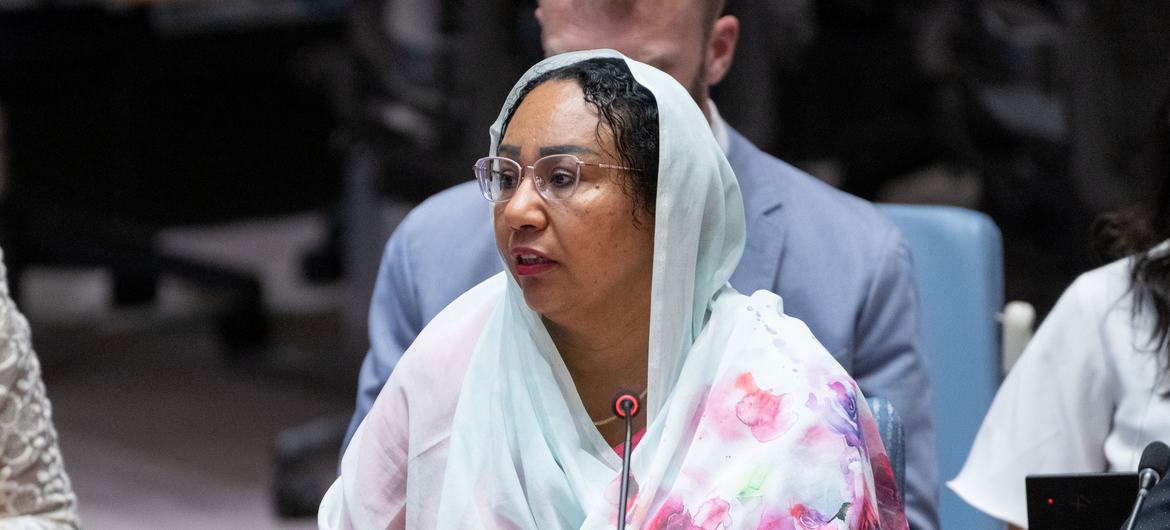
Ghada Eltahir Mudawi, Deputy Director of the Office for the Coordination of Humanitarian Affairs (OCHA), said Syrians need the support of the international community now more than at any time in the past 12 years.

“The humanitarian crisis in Syria must remain a global priority,” she said, outlining the current landscape, where after a dozen years of conflict, “the vast majority of the Syrian population continues to face daily challenges to meet the most basic food, health, and shelter needs.

A staggering 15.3 million people require humanitarian assistance throughout the country, representing nearly 70 per cent of Syria’s population. For the first time in the history of the crisis, people across every sub-district in Syria are experiencing some degree of humanitarian stress, she said, adding that the earthquakes earlier this year compounded this already bleak humanitarian situation, with more than 330,000 people remaining displaced, and thousands more without access to basic services and livelihoods.

Ghada Eltahir Mudawi, Deputy Director of the Office for the Coordination of Humanitarian Affairs (OCHA), briefs the Security Council meeting on the situation in Syria.
UN Photo/Eskinder Debebe
 
Ghada Eltahir Mudawi, Deputy Director of the Office for the Coordination of Humanitarian Affairs (OCHA), briefs the Security Council meeting on the situation in Syria.

‘Matter of life and death’

While the UN and partners continue large-scale efforts to respond to the most urgent humanitarian needs, continued support from donors and this Council will be crucial to address ongoing essential needs, she said, noting that the preliminary Syria Earthquake Recovery Needs Assessment has estimated almost $9 billion in damage and losses, and $14.8 billion in recovery needs over the next three-year period.

Tweet URL

A 12-month extension of the Security Council’s authorization of the cross-border mechanism is indispensable, she stressed.

“It is a matter of life and death for millions of people in northwest Syria,” she cautioned.

“The situation in Syria is too fragile, the needs are too great and too many lives are at stake not to ensure sustained humanitarian access via every possible modality, including cross-border and cross-line missions,” she added.

Calling for greater solidarity and urgently increased humanitarian funding to save lives and prevent further suffering, she said that while efforts continue to achieve a lasting political solution, “we must ensure that the urgent needs of women, men and children of Syria – life-saving aid and early recovery – are prioritized and adequately resourced.”

“They are counting on your support to stay the course,” she said.

In other business

In other business this morning, the Security Council considered two draft resolutions, unanimously adopting one that renewed the UN mission in Iraq, UNAMI.

By a vote of 10 in favour, with 5 abstentions (China, Gabon, Ghana, Mozambique, Russia), the Council also adopted a draft resolution renewing the South Sudan sanctions regime, with some members expressing concerns that the measures would have a negative socioeconomic impact on the South Sudanese people.

For more details on the this and other meetings occurring throughout the UN system, visit our dedicated UN Meetings Coverage page.


 https://news.un.org/en/story/2023/05/1137157

https://creativecommons.org/licenses/by/3.0/legalcode
вторник, 30 мая 2023 г.

IAEA chief outlines five principles to avert nuclear ‘catastrophe’ in Ukraine

conflict(war)

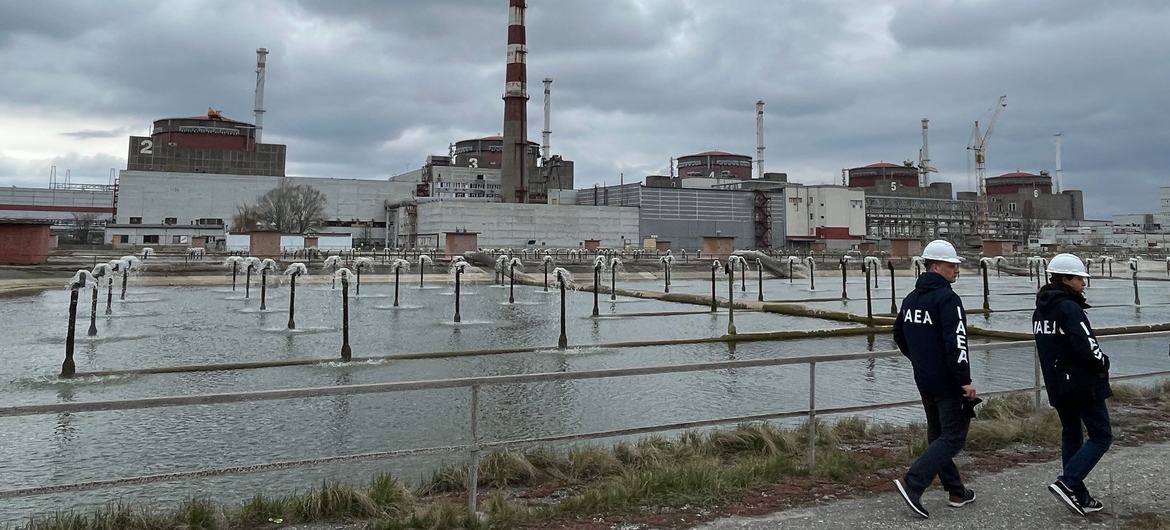
An IAEA expert mission team tours Zaporizhzhya Nuclear Power Plant and its surrounding area. (file)
© IAEA/Fredrik Dahl
 
An IAEA expert mission team tours Zaporizhzhya Nuclear Power Plant and its surrounding area. (file)

30 May 2023

Peace and Security

The head of the International Atomic Energy Agency (IAEA) on Tuesday urged the UN Security Council to unambiguously support five principles aimed at preventing a nuclear accident amid the war in Ukraine, now in its 15th month.

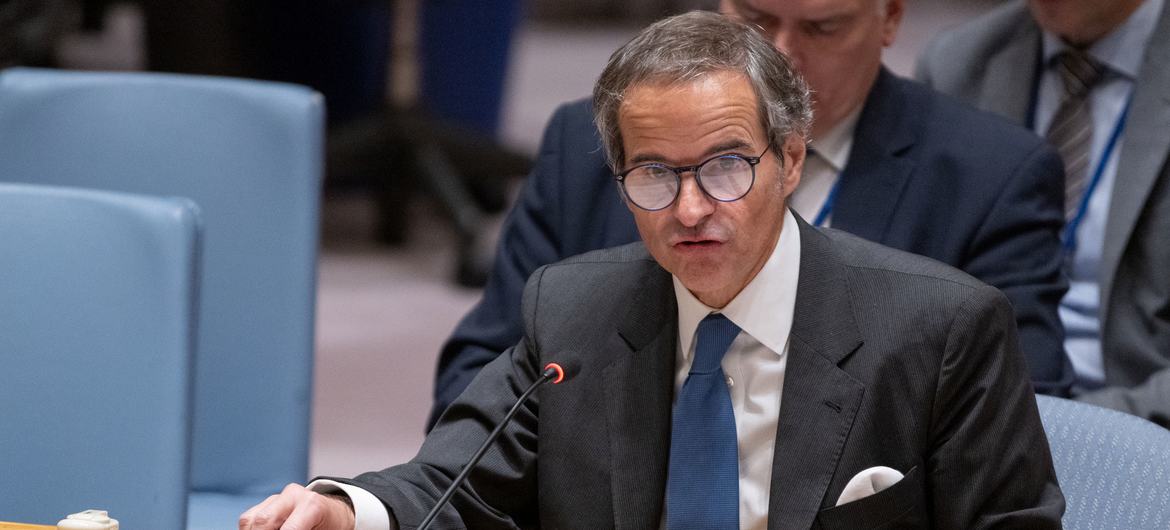
Delivering his latest update, IAEA Director General Rafael Mariano Grossi reported that the situation at the Zaporizhzhya Nuclear Power Plant (ZNPP) – the largest in Europe - remains extremely fragile and dangerous.

Military operations continue in the region “and may well increase very considerably in the near future,” he warned.

Rolling the dice

The Zaporizhzhya plant has come under fire during the war. It has lost off-site power seven times and had to rely on emergency diesel generators – “the last line of defence against a nuclear accident,” he said.

“We are fortunate that a nuclear accident has not yet happened,” Mr. Grossi told ambassadors.

“As I said at the IAEA Board of Governors last March - we are rolling a dice and if this continues then one day, our luck will run out. So, we must all do everything in our power to minimize the chance that it does.”

Rafael Mariano Grossi, Director General of the International Atomic Energy Agency (IAEA), briefs members of the UN Security Council on protecting the Zaporizhzhia nuclear power plant in Ukraine.
UN Photo/Eskinder Debebe
 
Rafael Mariano Grossi, Director General of the International Atomic Energy Agency (IAEA), briefs members of the UN Security Council on protecting the Zaporizhzhia nuclear power plant in Ukraine.

A specific request

Mr. Grossi recalled that the Ukraine crisis marks the first time in history that a war is being fought amid the facilities of a major nuclear power programme.  He said several of the country’s five nuclear plants and other facilities have come under direct shelling, and all nuclear plants have lost off-site power at some point.

The IAEA has maintained a presence at the Zaporizhzhya Nuclear Power Plant since September. The site was occupied by Russian forces in the early days of the conflict, with a “significantly reduced” Ukrainian staff carrying out operations.

Throughout the conflict, the IAEA chief has repeatedly promoted seven indispensable pillars for nuclear safety and security, which include maintaining the physical integrity of facilities and ensuring secure off-site power supply.

“The time has come to be more specific as to what is required. We must prevent a dangerous release of radioactive material,” he said.

Five concrete principles

Following extensive consultations, including with the sides, Mr. Grossi developed five concrete principles essential for averting “a catastrophic incident” at the Zaporizhzhya plant.

“There should be no attack of any kind from or against the plant, in particular targeting the reactors, spent fuel storage, other critical infrastructure, or personnel,” he said, outlining the first point.

The nuclear plant also should not be used as storage or a base for heavy weapons, such as multiple rocket launchers, or military personnel that could be used for an attack emanating from it.

Off-site power to the plant should not be put at risk, and all efforts should be made to ensure it always remains available and secure, he said. 

Furthermore, all structures, systems and components essential to the safe and secure operation of the plant should be protected from attacks or sabotage. Finally, no action should be taken that undermines the principles.

“Let me say something very clearly: These principles are to no one’s detriment and to everyone’s benefit. Avoiding a nuclear accident is possible. Abiding by the IAEA’s five principles is the way to start,” said Mr. Grossi.

Principles are aligned: Russia 

Russian Ambassador Vasily Nebenzya said his country has made every effort to prevent threats to the safety of the Zaporizhzhya plant, which he attributed to Ukraine and its “Western backers”. 

“The shellings carried out by Ukraine of the power plant are absolutely unacceptable, and Mr. Grossi's proposals to ensure the security of the Zaporizhzhya Nuclear Power Plant are in line with the measures that we've already been implementing for a long time, in accordance with decisions taken at the national level,” he said. 

He added that no attacks were ever carried out from the territory of the plant.  Additionally, heavy weapons or munitions were never placed there, nor are there any military personnel present who could be used to carry out an attack. 

“In the current conditions, Russia intends to take all possible measures to strengthen the safety and security of the power plant in accordance with our national legislation and our obligations under relevant international legal instruments to which our country is a party,” he said. 

Withdraw from the plant: Ukraine 

Ukrainian Ambassador Sergiy Kyslytsya also addressed the Council. 

He said Russia continues to use the nuclear plant for military purposes and has deployed roughly 500 military personnel and 50 units of heavy weaponry there, as well as equipment, munitions and explosives.  

“We reiterate that by illegally occupying ZNPP and making it an element of its military strategy, Russia has violated all key international principles of nuclear safety and security and the vast majority of its obligations under international treaties,” he said. 

Mr.  Kyslytsya recommended that the IAEA principles should also include withdrawal of Russian troops and personnel illegally present at the plant, guarantees of uninterrupted power supply to the facility, and a humanitarian corridor to ensure the safe and orderly rotation of staff. 


 https://news.un.org/en/story/2023/05/1137172

https://creativecommons.org/licenses/by/3.0/legalcode
пятница, 26 мая 2023 г.

Security Council urged to step up on financing for AU peace operations

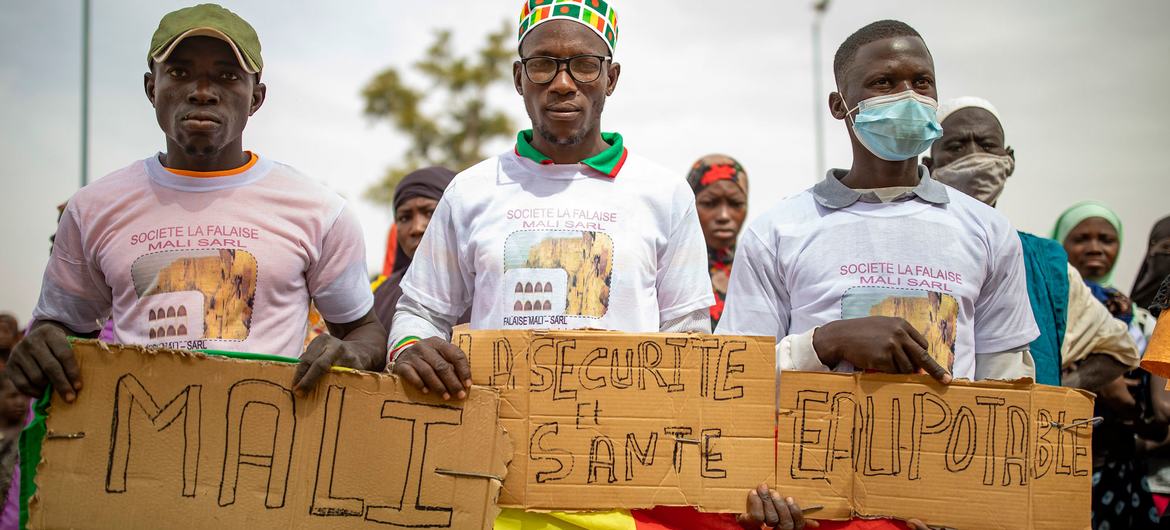
In eastern Mali, local residents highlight their priorities; security, health and potable water.
© MINUSMA/Harandane Dicko
 
In eastern Mali, local residents highlight their priorities; security, health and potable water.

25 May 2023

Peace and Security


The UN political affairs chief on Thursday appealed for the Security Council to ensure reliable funding for African Union (AU) efforts towards greater peace and security on the continent.

Briefing ambassadors on Africa Day, Under-Secretary-General Rosemary DiCarlo presented the latest UN report on securing predictable, sustainable and flexible resources for AU-led peace support operations mandated by the Council.

The changing nature of conflict in Africa has forced the partners to adapt their operations in response to new and evolving challenges.

Secure funding stream

“The case for adequately financing AU-led peace support operations is beyond solid. We are therefore hopeful that the Security Council will agree to provide its backing, including allowing access to UN assessed contributions,” she said.

The report lists the joint mission model and support packages delivered by the UN as the two most practical financing options, which would be authorized on a case-by-case basis.

It also outlines a standardized consultative planning and mandating process, through which the UN, the AU and subregional configurations can assess the required response to an emerging crisis.

“This process would reassure the Council that a given situation has been systematically reviewed by all the relevant entities. It would thus help the Council decide whether assessed contributions can be mandated,” she said.

Rising insecurity, funding shortfalls

Ms. DiCarlo gave an overview of AU and UN cooperation, noting that it has grown significantly since the signing of a 2017 joint framework on enhanced partnership in peace and security.

She said over the past 20 years, the AU has shown readiness to speedily deploy peace support operations in response to conflicts, including in Burundi, the Central African Republic, Comoros, Mali, Somalia and Sudan.

These missions faced recurrent problems such as funding shortfalls, and although support provided by the UN and partners has been useful, it has also been unpredictable.

“As we look at different parts of the continent, it is obvious that the need to put AU peace operations on a solid footing is increasingly pressing,” she said, referring to situations in places such as the Sahel, Somalia, Mozambique, and the eastern Democratic Republic of the Congo.

“In Africa and elsewhere, rising insecurity is characterized by an increasing use of asymmetric tactics and sophistication of armed extremist groups and expanding influence of transnational organized crime,” she continued.  “These connected phenomena require commensurate global approaches and responses.”

Tweet URL

Progress on compliance

The funding of AU-led operations has been a longstanding issue in the Security Council, particularly over establishing a mechanism to allow partial financing through UN assessed contributions.  

Ms. DiCarlo reported that in line with two Council resolutions, the AU has made significant progress to address the financial challenge of its peace operations, and on ensuring compliance with international human rights and humanitarian law, as well as UN conduct and discipline standards.

Noting that AU peace operations should be considered as part of the range of responses to crises in Africa, alongside established UN mechanisms, she appealed for the Council’s support.

“As the Secretary-General has stated, concrete action on this longstanding issue will address a critical gap in the international peace and security architecture and bolster the efforts of the African Union to tackle peace and security challenges on the continent.”

Stand with Africa: Guterres

Meanwhile, UN chief António Guterres noted that cooperation and solidarity to advance the continent’s future is more needed than ever.

“I look forward to African governments continuing to seize the opportunities presented by the continent’s natural, human, and entrepreneurial richness, by working to increase private investment and raise resources at home,” he said in his message for Africa Day.

The annual commemoration May celebrates the founding of the Organization of African Union, the African Union precursor, on 25 May 1963.

The Secretary-General urged the international community to stand with Africa as multiple rises – from COVID-19 to climate and conflict – continue to cause great suffering there.

He further stated that African countries are underrepresented in global governance institutions, such as the UN Security Council, and denied the debt relief and concessional funding they need.

“Africa deserves peace, justice and international solidarity,” he said.  “With international cooperation and solidarity, this can be Africa’s century.” 


 https://news.un.org/en/story/2023/05/1137047

https://creativecommons.org/licenses/by/3.0/legalcode

четверг, 25 мая 2023 г.

UN representative alarmed by sexual violence against women and girls in DRC


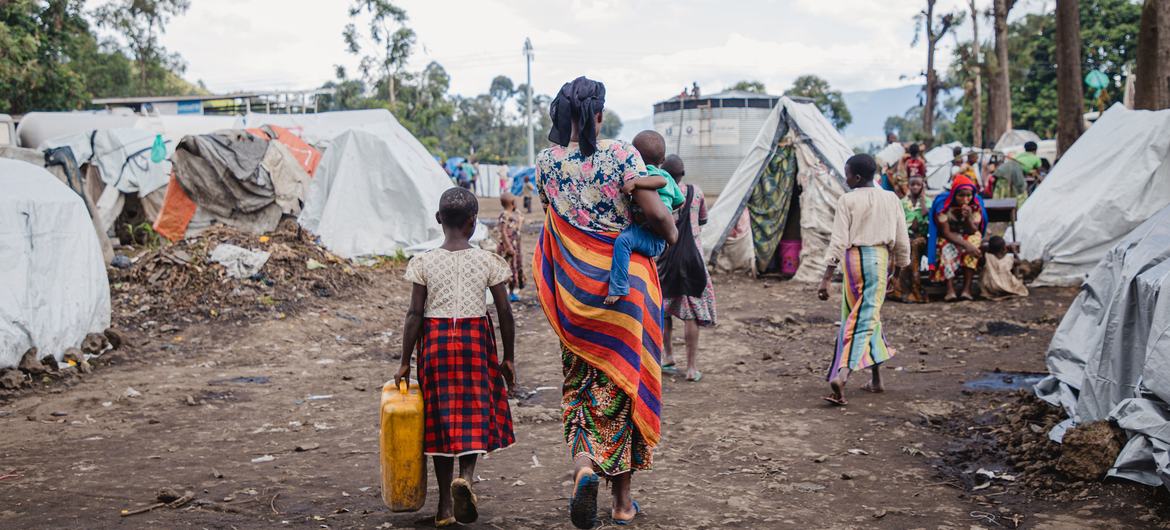
A mother and her children walk through a camp for displaced people in Goma, eastern DR Congo.
© UNICEF/Jospin Benekire
 
A mother and her children walk through a camp for displaced people in Goma, eastern DR Congo.

25 May 2023
Human Rights

UN Special Representative, Pramila Patten, expressed her ‘deep concern’ on Thursday over increasing allegations of sexual violence against women and girls being carried out in camps for the internally displaced (IDPs) around Goma, in the Democratic Republic of the Congo (DRC).

“Allegations of grave cases of sexual violence against civilians, including children, in particular affecting IDPs fleeing conflict in the eastern DRC, is a matter of profound concern which requires immediate action,” said the top UN official who advocates for women and girls impacted by sexual violence.

The representative spoke of how she was “deeply troubled” by some attacks which have been taking place in broad daylight, affecting the daily lives and livelihoods of women and girls in Goma, the capital of North Kivu province.

Protecting women and girls

She noted that the UN Children’s Fund (UNICEF), has reported an alarming number of Gender Based Violence (GBV) cases in 2022, and that IDP camps represent a ‘volatile security environment’ , especially for displaced women and girls.

“More than 38,000 cases of Gender Based Violence (GBV) were reported by UNICEF for all of 2022 in North Kivu alone. Humanitarian actors report they have provided assistance to over 600 survivors of conflict-related sexual violence in six IDP camps over the course of two weeks in a volatile security environment. In most cases, survivors reported being attacked by armed men and displaced men in and around the camps,” she pointed out.

No immediate ‘life-saving’ aid

Ms. Patten also called attention to how women and girls are disproportionally affected by sexual violence in thousands of cases reported by humanitarian partners, with some unable to “access life-saving services, including Post-Exposure Prophylaxis kits, during the crucial 72-hour window after an attack”.

She said the best way to protect women and girls in such conditions was to provide medical assistance, but also offer routes for escaping violence and other insecurities in the first place.

“Immediate medical and psychosocial assistance must be accompanied by protection measures, to ensure that those who have been forced from their homes due to violence and insecurity, including women and girls fleeing conflict in Masisi and Rutshuru territories in North Kivu province, are able to access services and are not placed at further risk of sexual violence.”

She said the UN rights office in DRC (OHCHR) was liaising with humanitarian partners and other UN agencies in the country to document allegations and provide needed support.

Justice for victims of sexual violence

Ms. Patten also called on authorities to fulfill their human rights obligations by working with the UN to provide protection to civilians fleeing conflict violence, in addition to investigating and prosecuting perpetrators.

“I urge the Government to ensure its national police secures all IDP camps in accordance with their primary obligation to protect civilians under international humanitarian law and their responsibilities to respect, protect, and fulfill human rights obligations.

Ms. Patten called on donors to help ensure protection for victims of sexual violence in DRC and said her office was available to assist partners in providing support.


 https://news.un.org/en/story/2023/05/1137042


https://creativecommons.org/licenses/by/3.0/legalcode
Guterres: ‘We can turn the tide’ towards ending colonialism

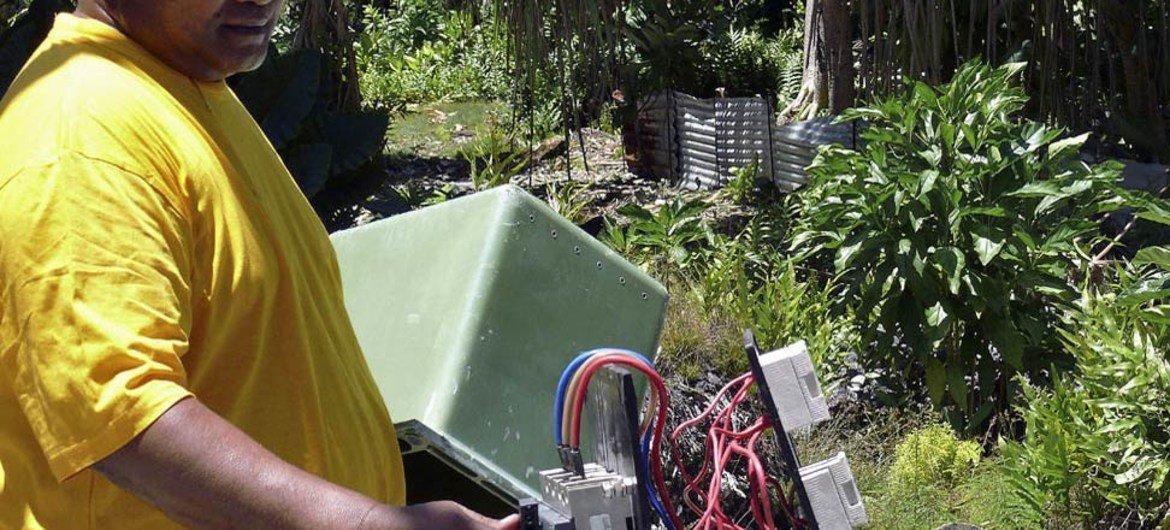
A renewable energy project in Tokelau, supported by UNDP, converts solar-generated power to electricity.
UN Photo/Ariane Rummery
 
A renewable energy project in Tokelau, supported by UNDP, converts solar-generated power to electricity.
24 May 2023
UN Affairs

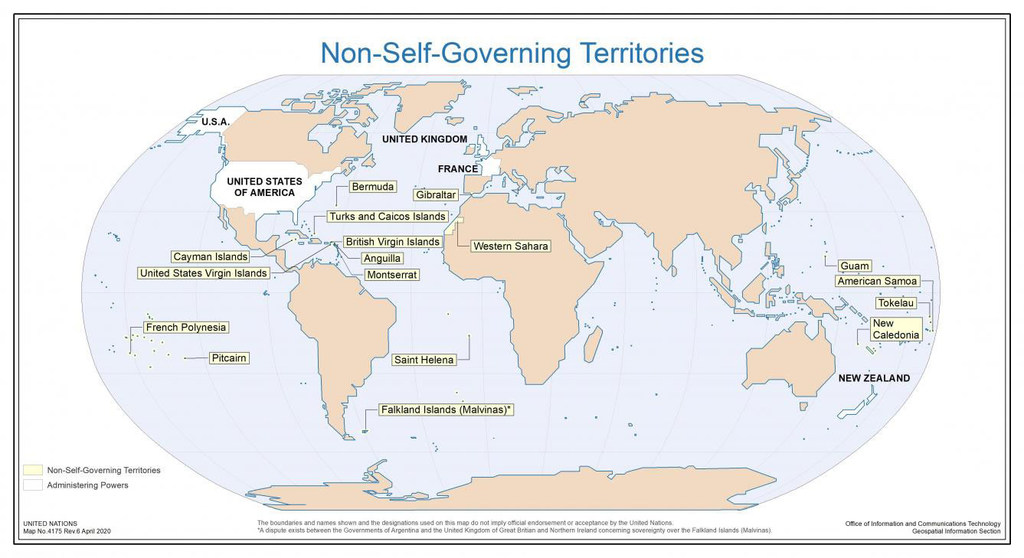
New ideas must open fresh pathways towards finally ending the era of colonialism and to help advance sustainable development in the world’s 17 remaining colonies, the UN chief said in a video message to the Organization’s decolonization seminar in Bali, Indonesia

“Our shared goal is to give greater priority to the decolonization agenda and spur accelerated action,” UN Secretary-General António Guterres told the Special Committee on Decolonization, or C-24, regional seminar.

Tweet URL

Established by the General Assembly in 1961, the Committee is mandated to examine the application of the Declaration on the Granting of Independence to Colonial Countries and Peoples.

Since the birth of the UN in 1945, more than 80 former colonies, comprising some 750 million people, have gained independence. The ongoing process affects 17 non-self-governing territories, representing nearly 2 million people.

Focus on SDGs

Highlighting the seminar’s theme, advancing the Sustainable Development Goals (SDGs) in the territories, the Secretary-General said that halfway to the deadline for the 2030 Agenda for Sustainable Development, “we are leaving more than half the world behind”.

Progress has stalled and, in some cases, even reversed,” he cautioned. “The SDGs are the path to peace and prosperity for all on a healthy planet; no country can afford to see them fail.”

Existential stakes

Yet for many non-self-governing territories that are small islands on the frontlines of the climate emergency, “the stakes are existential”, he warned.

“As a global community, we must ensure the territories have the resources and support you need to advance the SDGs, build resilience, and invest in your future,” he told delegates.

The decolonization process must be guided by the aspirations and needs of the territories on a case-by-case basis, he said, expressing gratitude to the Committee for its unwavering commitment to the complete elimination of colonialism.

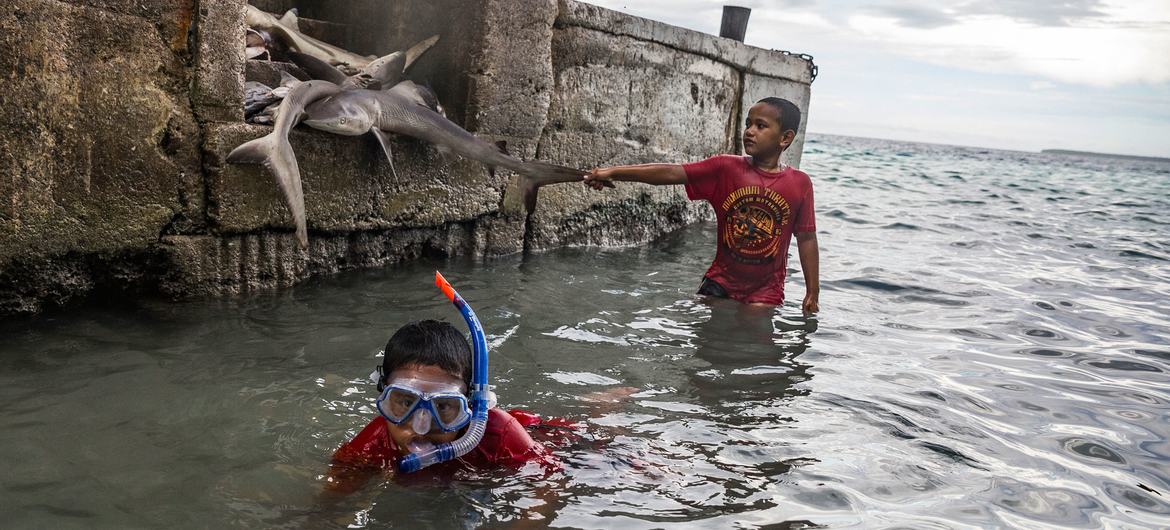
Children play on a jetty on Fale Island in the Pacific Ocean archipelago of Tokelau.
© UNICEF/Vlad Sokhin
 
Children play on a jetty on Fale Island in the Pacific Ocean archipelago of Tokelau.

Turning the tide

“I count on you to generate new ideas and open new pathways for stronger cooperation between the territories, administering Powers and other stakeholders, in accordance with relevant resolutions,” he said.

“Together, we can turn the tide and kickstart a new drive for SDG achievement in the territories and beyond,” he said.

Learn more about how the UN helps decolonization efforts here.

Map of 17 non-self-governing territories that remain on the UN decolonization list..
United Nations
 
Map of 17 non-self-governing territories that remain on the UN decolonization list..


https://creativecommons.org/licenses/by/3.0/legalcode

 https://news.un.org/en/story/2023/05/1136987

среда, 24 мая 2023 г.

‘No time to spare’: Israel-Palestine ceasefire holds, but hunger, tensions mount


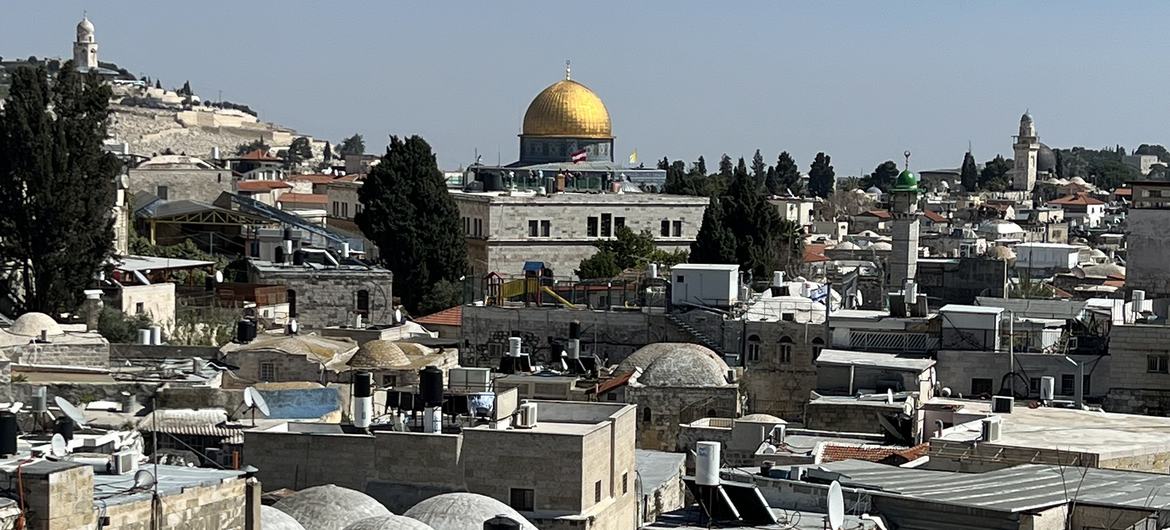
Nearly 600,000 people have visited the Holy Sites in Jerusalem since the beginning of Ramadan.
UN News/Maher Nasser
 
Nearly 600,000 people have visited the Holy Sites in Jerusalem since the beginning of Ramadan.
Peace and Security

Swift action is needed to prevent flare ups of Israeli-Palestinian violence and avert a looming food crisis, the top UN official in the Middle East told the Security Council on Wednesday.

“There is no time to spare,” said Tor Wennesland, the UN Special Coordinator for the Middle East Peace Process.

Tweet URL

“We must take action, not only to ensure Palestinian well-being and governance, but as an integral part of ending the occupation and restoring a political horizon toward a viable two-State solution, based on UN resolutions, international law and previous agreements,” he said, briefing the Council on recent grim and dangerous security and humanitarian concerns.

While a ceasefire that ended five days of fighting between Israel and Gaza is holding, conflict mitigation efforts must also be met with steps by both sides – supported by the international community – to reset a trajectory out of the cycle of violence, he said.

In this vein, he called on all parties to stop unilateral and inflammatory actions that undermine prospects for peace, and to address the acute financial and institutional challenges facing the Palestinian Authority.

Looming food crisis

The Special Coordinator also warned of a looming food crisis.

“I am particularly alarmed by the funding crisis facing UN agencies supporting basic services and social support, including emergency food assistance, to Palestinians,” he said, encouraging Member States to immediately seek ways to increase their support.

Unless new support arrives, the World Food Programme (WFP) will suspend cash assistance to some 200,000 Palestinians next week, and the UN relief agency, UNRWA, will not have the resources to deliver core services in September.

Without new funding, he said “we will face serious humanitarian and, potentially, security challenges”.

The World Food Programme (WFP) provides poor and food insecure families in Gaza with electronic food vouchers which give them access to local products.
WFP/Wissam Nassar
 
The World Food Programme (WFP) provides poor and food insecure families in Gaza with electronic food vouchers which give them access to local products.

Diplomacy saves lives

In recent weeks, the UN, together with regional and international partners, mobilized once again to end hostilities between armed factions in Gaza and Israeli forces, he said, calling such efforts “crucial to saving Palestinian and Israeli lives”.

“Nevertheless, we must also keep issues fundamental to creating the conditions for a lasting peace at the forefront,” he said. “The immediate priority is to support steps to bolster the Palestinian Authority and preserve the provision of critical services to the Palestinian people.”

These steps should be implemented in a way that encourages the parties to engage with each other and require actions by Israeli and Palestinian leaders, alongside increased support and attention from the international community, he said.

Civilians ‘bear the brunt’

Meanwhile, he said a landscape of violence and tensions saw Israel and Palestinian armed factions once again resort to rocket fire into and out of the Gaza Strip enclave.

Following the Palestinian Islamic Jihad (PIJ) leader Khader Adnan’s death in an Israeli jail following an 86-day hunger strike, armed factions in Gaza fired over 100 rockets towards Israel, causing damage but no injuries. The Israeli Air Force responded with airstrikes against what it said were Hamas and PIJ targets in the Strip, killing one Palestinian and causing damage, he said.

Even though the hostilities ended on 3 May, Israel had conducted 323 airstrikes against what it said were PIJ military targets in Gaza, while Palestinian militants, mainly PIJ’s al-Quds Brigades, launched over 1,200 rockets and more than 250 mortars towards Israel, he added.

The number of deaths mounted on both sides, he said, regretting to note that civilians continued to “bear the brunt of such hostilities”.

West Bank violence

Levels of violence remained high in the occupied West Bank, including East Jerusalem, he said.

Seventeen Palestinians, including two children, were killed and 138 Palestinians, including two women and 23 children, were injured by Israeli security forces during demonstrations, clashes, search-and-arrest operations, attacks, and alleged attacks against Israelis, he said.

During the reporting period, Israeli forces imposed significant movement restrictions around Jericho, Nablus, and Hebron following either Palestinian attacks or stone throwing – affecting tens of thousands of Palestinians and local economic conditions.

Racist slogans

Thousands of right-wing Israeli activists, including senior Government ministers, participated in the highly provocative annual “flag day” march through Jerusalem’s Old City, marking Jerusalem Day, he said, adding that “many chanted racist slogans, including ‘death to Arabs’, with scuffles breaking out between Israeli participants and Palestinians”.

“Such provocations and incitement, which continued in the days after the march, are unacceptable and must be condemned by all,” he said.

Palestinian houses and Israeli settlements in H2 area in Hebron, West Bank.
UN News/Reem Abaza
 
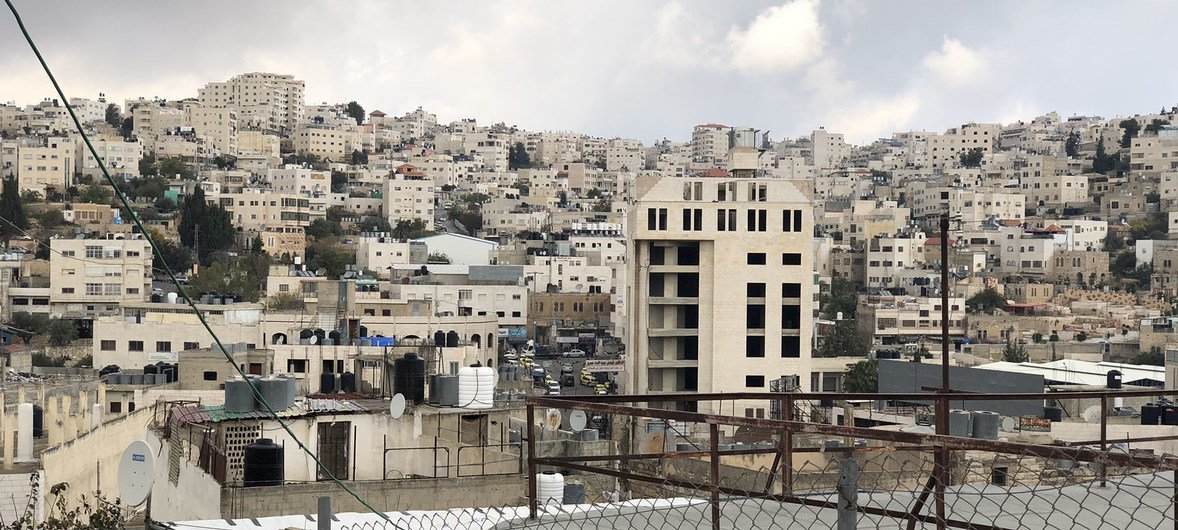
Palestinian houses and Israeli settlements in H2 area in Hebron, West Bank.

Expanding illegal settlements

More illegal settlement plans are moving forward, with tenders published for some 310 housing units in Area C and demolitions continuing, he said.

During the reporting period, Israeli authorities demolished, seized, or forced owners to demolish 33 Palestinian-owned structures in Area C and 17 in East Jerusalem, including a donor-funded school east of Bethlehem, displacing 89 Palestinians, including 45 children, he said, calling on Israeli authorities to end the displacement and eviction of Palestinians.

“They are a substantial obstacle to peace and must stop,” he said of the settlements, noting that all such expansion into occupied territory is illegal under international law.


 https://news.un.org/en/story/2023/05/1136997

https://creativecommons.org/licenses/by/3.0/legalcode