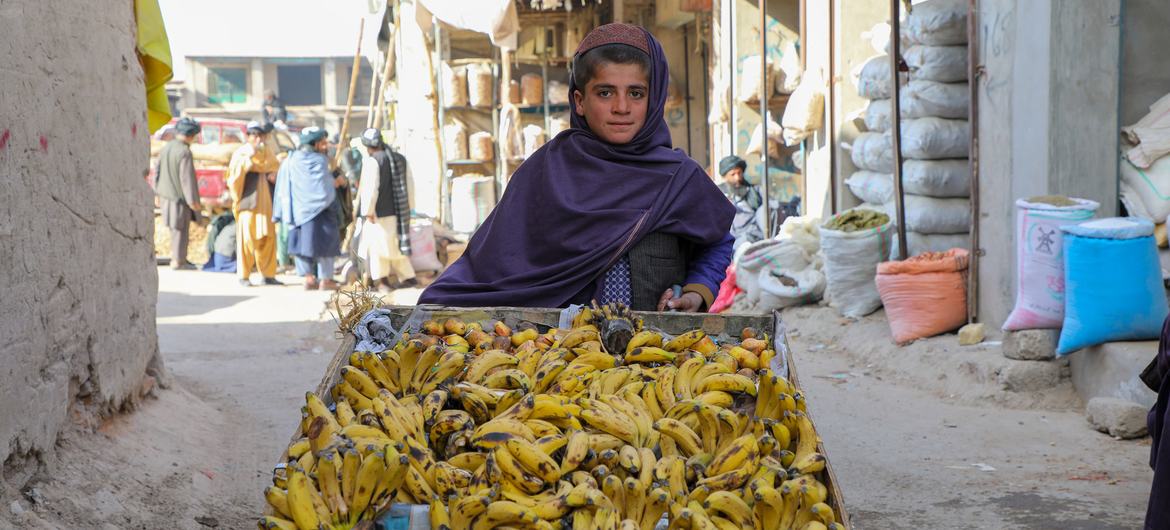
Совет Безопасности ООН призвал международное сообщество предоставить помощь Афганистану. Этот призыв прозвучал через год после полного вывода Соединенными Штатами войск из этой страны.
Заместитель генерального секретаря ООН по гуманитарным вопросам и координатор чрезвычайной помощи Мартин Гриффитс проинформировал Совбез о ситуации в Афганистане в ходе совещания, посвященного обсуждению этой темы в понедельник.
Гриффитс сказал, что около 19 миллионов человек в Афганистане сталкиваются с серьезной нехваткой продовольствия. По его словам, шесть миллионов из них находятся на грани голода.
Гриффитс сказал, что более миллиона детей, по оценкам, страдают от наиболее серьезной формы недоедания, представляющей угрозу для жизни.
Гриффитс также затронул тему ограничений прав женщин со стороны Талибана. Он сказал, что фактические лидеры Афганистана должны сделать все, что в их силах, чтобы предоставить девочкам доступ к образованию.
Западные страны ранее заявили, что не намерены предоставлять Афганистану прямую помощь. Они обосновали это решение связями Талибана с аль-Кайдой. Однако Россия и Китай в ответ заявили, что США и страны Европы усугубляют гуманитарную ситуацию, замораживая активы.
Министры по делам окружающей среды стран «Большой двадцатки» не смогли выработать совместное коммюнике по итогам совещания по проблемам окружающей среды и изменению климата.
Министры встретились на индонезийском острове Бали в среду для переговоров по таким вопросам, как экстремальные погодные условия и стихийные бедствия, вину за которые возлагают на изменение климата, а также загрязнение мирового океана пластиком.
Японский министр по делам окружающей среды Нисимура Акихиро сообщил корреспондентам, что Япония выступила с критикой российского вторжения и выразила солидарность с народом Украины. Он сказал, что многие представленные на встрече страны выражали поддержку японским заявлениям.
По окончании заседания в среду Нисимура сообщил корреспондентам, что прийти к консенсусу не удалось. Он выразил надежду, что страны G20 добьются прогресса по вопросам, которые обсуждались, на будущих встречах, в частности, на конференции ООН по проблеме изменения климата, известной как COP.
Идет подбор мест в Японии для проведения 14-ти встреч G7 на уровне министров, которые пройдут приблизительно в то же время, что и саммит G7. Саммит намечен на май следующего года в Хиросиме.
Генеральный секретарь кабинета министров Японии Мацуно Хирокадзу сказал во вторник, что встреча министров иностранных дел стран G7 пройдет в Каруидзава, городе-курорте в префектуре Нагано.
Он сказал, что встреча министров финансов и глав центральных банков пройдет в городе Ниигата на побережье Японского моря.
Решение о месте проведения остальных встреч будет принято до конца сентября. Мацуно сказал, что важно обеспечить безопасность этих встреч и что он хотел бы, чтобы все прошло гладко.
Мацуно также сказал, что при планировании встреч будут приняты во внимание результаты кардинального пересмотра протоколов по обеспечению безопасности, который провело Национальное полицейское управление Японии.
МОСКВА, 2 сен — РИА Новости. Главы министерств финансов G7 единогласно приняли решение ввести предельные цены на поставки нефти из России, сообщается на сайте Министерства финансов Германии.
"Министры финансов G7 согласились установить потолок цены на российскую нефть в ходе видеоконференции", — говорится в заявлении.
Как ранее писала газета Financial Times со ссылкой на источник, этот "потолок" будет действовать в соответствии со сроками эмбарго ЕС — с 5 декабря планируется ввести лимит цен на нефть, с 5 февраля следующего года — на нефтепродукты.
Страны "Большой семерки" также договорились в случае необходимости рассмотреть дополнительные меры для обеспечения эффективности потолка цен на поставки из России.
Помимо этого, Минфины G7 подтвердили намерение запретить морскую перевозку сырой нефти и нефтепродуктов российского происхождения по всему миру, если их не будут покупать по предельной цене или дешевле. Министр финансов Великобритании Надим Захави, в свою очередь, добавил, что этот запрет коснется страхования судов и предоставления финансирования перевозчикам российской нефти.
В документе также указывается, что, кроме ограничений по нефти, будут разработаны механизмы, которые позволят уязвимым странам сохранить доступ к энергетическим рынкам, в том числе российскому.
"Большая семерка" также призвали все нефтедобывающие государства нарастить добычу нефти, чтобы снизить волатильность на рынках энергоносителей.
"В этой связи мы приветствуем недавнее решение ОПЕК нарастить добычу на фоне условий ограниченного предложения", — отмечается в заявлении.
27 августа, 08:00
В заключение главы Минфинов стран G7 призывали все государства присоединиться к инициативе по введению предельных цен на российскую нефть.
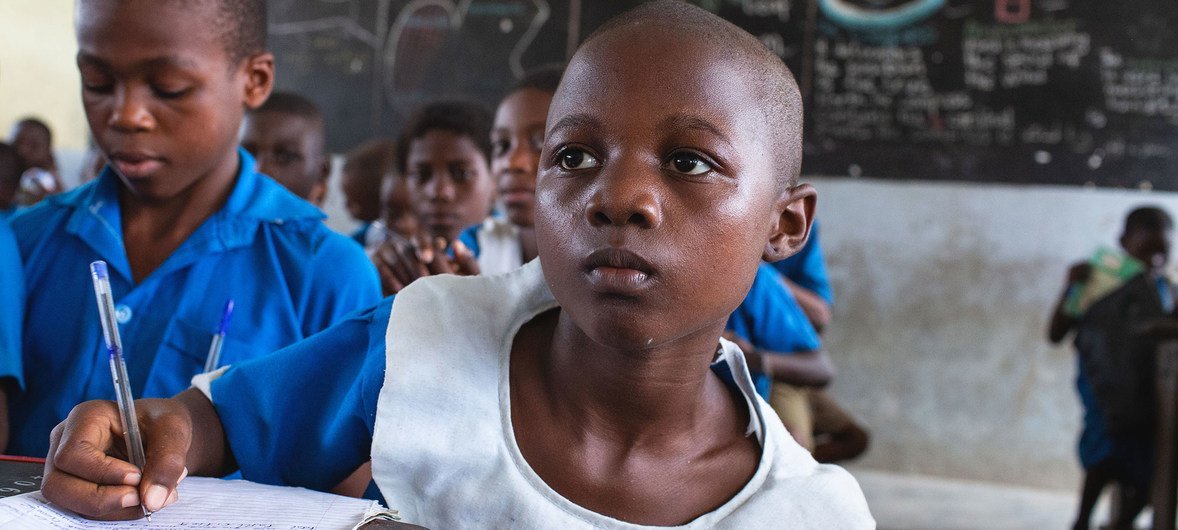
The bell is ringing for the start of a new school year in many countries, but inequalities in access to education are keeping some 244 million children out of the classroom, according to data published on Thursday by the UN Educational, Scientific and Cultural Organization (UNESCO).
Sub-Saharan Africa remains the region with the most children out of school, 98 million, and it is also the only region where this number is increasing.
The Central and Southern Asia region has the second highest out-of-school population, with 85 million.
Education goals at risk
“No one can accept this situation,”said Audrey Azoulay, the UNESCO Director-General, underlining the need to respect every child’s right to education.
“In view of these results, the objective of quality education for all by 2030, set by the United Nations, risks not being achieved,” she warned. “We need a global mobilization to place education at the top of the international agenda.”
Ms. Azoulay will renew her call at the landmark Transforming Education Summit on 19 September, at UN Headquarters in New York.
A child sits at her desk at a UNICEF-supported government primary school, in Douala, Cameroon.
Closing the gender gap
On a more positive note, the UNESCO data has confirmed that the difference in the rate of girls and boys out of school has closed worldwide.
Back in 2000, the gender gap was 2.5 percentage points among primary school age children, and 3.9 percentage points among their upper secondary school counterparts.
These gaps have been reduced to zero, although regional disparities persist.
Uncertainty clouds Ukraine’s return to class
Relatedly, four million boys and girls in Ukraine are facing the start of an uncertain school year, the head of the UN Children’s Fund, UNICEF, said on Thursday.
Catherine Russell concluded a three-day visit to the country, where she met students, parents and teachers scarred by the war, now in its seventh month.
“Children are returning to schools - many of which have been damaged during the war – with stories of destruction, uncertain if their teachers and friends will be there to welcome them. Many parents are hesitating to send their children to school, not knowing if they will be safe,” she said.
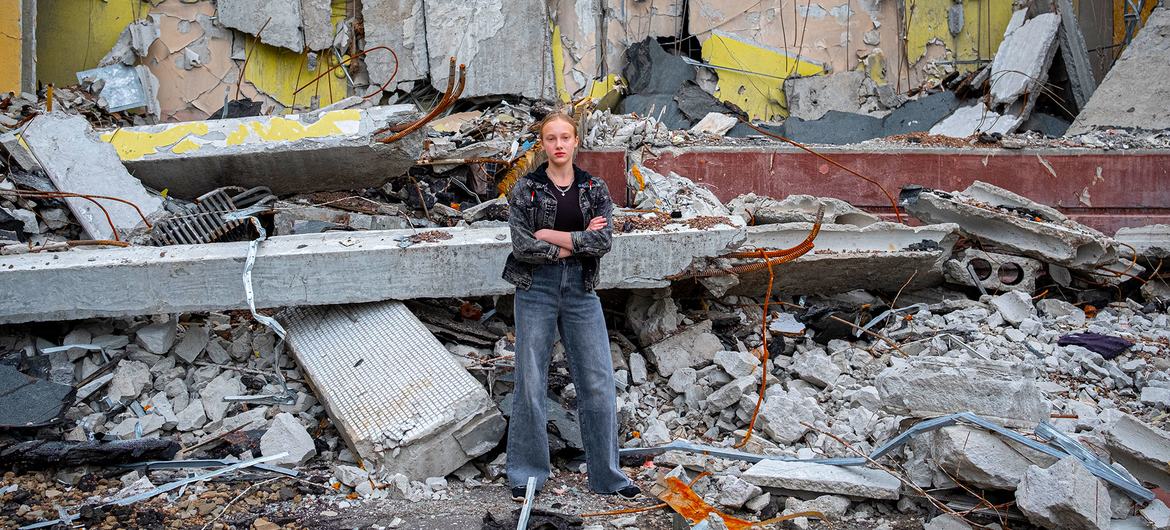
Thousands of schools across Ukraine have been damaged or destroyed due to the fighting, with less than 60 per cent deemed safe and eligible for reopening.
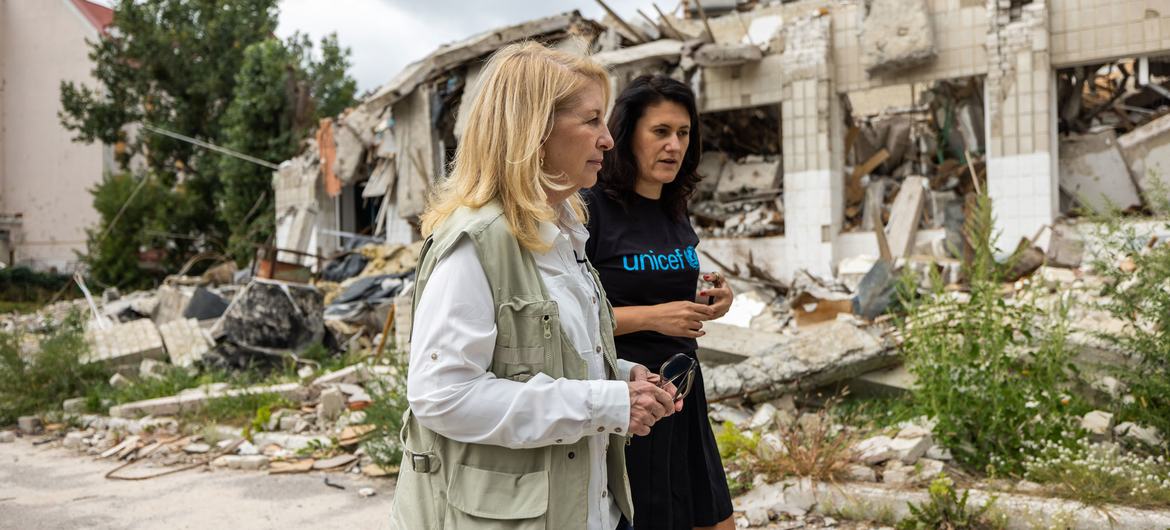
Ms. Russell visited a rehabilitated primary school that had been damaged during the early weeks of the conflict. Only 300 students can attend at any one time due to the capacity of the school’s bomb shelter, representing a mere 14 per cent of the school’s pre-war capacity.
A twelve-year-old girl stands in front of her school in Kharkiv, Ukraine. It was destroyed in an air strike and she will now study online.
‘Bomb shelters instead of playgrounds’
UNICEF is working with the Ukrainian authorities to get children back to learning – both in classrooms, when it is deemed safe, and through online or community-based alternatives if in-person education is not possible.
Since the war began, some 760,000 children have received formal or non-formal education. Additionally, more than 1.7 million children and caregivers have benefited from UNICEF-supported mental health and psychosocial support interventions.
“Schools in Ukraine are desperate for resources to build bomb shelters instead of playgrounds, with children being taught about unexploded ordinances instead of road safety,” said Ms. Russell. “This is the stark reality for Ukrainian students, parents and teachers.”
Getting children back to learning involves efforts such as rehabilitating schools, providing laptops, tablets and supplies to teachers and students, and guiding children and teachers on how to stay safe during a time of war.
‘Sad reality’ affecting young minds
Ms. Russell said education for the children of Ukraine has been dramatically compromised.
“After more than two years of the COVID-19 pandemic and six months since the escalation of the war, their physical and mental health is under enormous strain. More must be done to address what for many has been a sad reality.”
Meanwhile, Ukrainian children who are now refugees face other challenges. Roughly 650,000 living in 12 host countries were still not enrolled in national education systems as of the end of July.
UNICEF has supported nearly half with formal or non-formal education. The UN agency is also working with governments and partners to make sure that Ukrainian refugee children are either enrolled in schools or have access to online learning.
UNICEF Executive Director Catherine Russell (left) visits a heavily damaged school in Zhytomyr, Ukraine.
Winter worries
Across Ukraine, UNICEF has reached an additional 616,000 people - including the most vulnerable families - with humanitarian cash transfers. However, with winter settling in, Ms. Russell feared needs could outpace resources.
“Unless there is peace, the lives of children and their families in Ukraine are going to get even more challenging as winter approaches,” she said
“We know freezing temperatures and heavy snowfalls are just months away, which is why UNICEF is working with the government and partners to preposition winter supplies, including warm clothing, shoes, generators, heaters and wood pellets.”
During her visit, Ms. Russell also met with First Lady Olena Zelenska, complementing the efforts of the Ukrainian people – including teachers, parents, and healthcare workers - and expressed gratitude for the long-standing partnership between the Government and UNICEF.
She also discussed ways of further strengthening the joint response to the humanitarian crisis and the importance of having safe, timely and unhindered humanitarian access to all children in need of life-saving support.
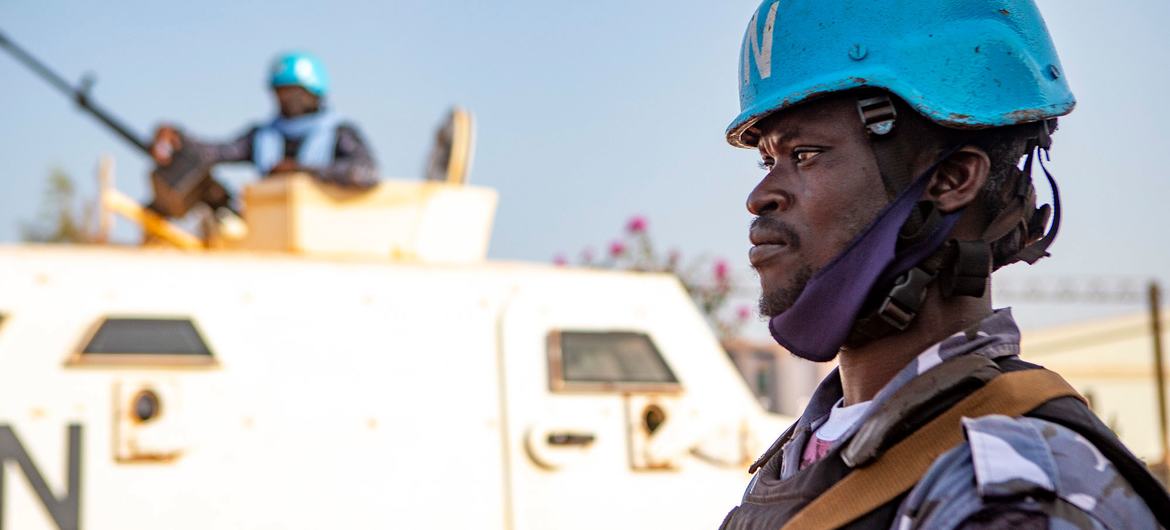
Police officers from more than 90 countries who serve at UN operations around the world represent “multilateralism in action”, Secretary-General António Guterres said in New York on Thursday.
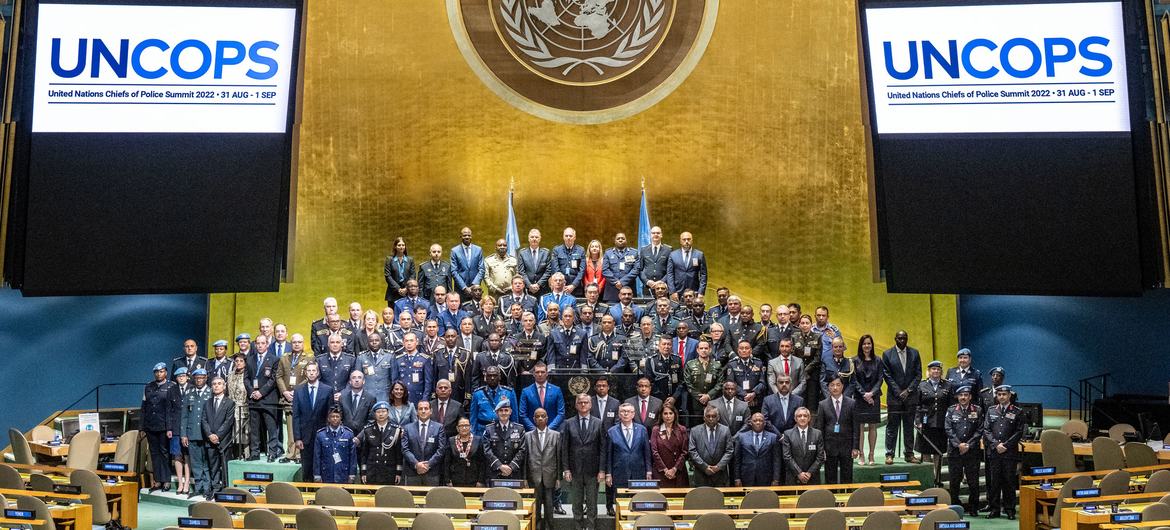
Mr. Guterres was delivering remarks to the third UN Chiefs of Police Summit (UNCOPS), which brought together ministers, police chiefs, and senior representatives of regional and professional policing organizations.
The women & men of @UNPOL are on the frontlines of our efforts to forge a better, safer world.
I’m grateful for the difference they make every day to societies emerging from conflict, violence and instability. pic.twitter.com/hoEm8h6SEo
“Since the first deployment of United Nations Police in 1960, they have continued to embody the promise, hope and optimism of our Organization,” he said.
Combatting ‘peace spoilers’
UNCOPS2022 was being held at a critical time, said Mr. Guterres.
The world is currently facing the highest number of violent conflicts since 1945, in addition to the COVID-19 pandemic and the climate crisis. Meanwhile, geopolitical tensions mean conflicts are more complex and prolonged.
UN Police, who work in the service of peace, are deployed in what the Secretary-General called “an increasingly complex and challenging environment – sometimesin places where there is no peace to keep”.
Furthermore, UN peacekeeping operations are increasingly being targeted by violent extremists and “peace spoilers”, he added.
Action for Peacekeeping
In response, the UN launched the Action for Peacekeeping initiative in 2018, aimed at making missions stronger, safer and more effective.
“We are able to deploy new military and police capabilities more quickly, and to include more women peacekeepers, police and civilians in our operations,” said Mr. Guterres. “Action for Peacekeeping Plus, which was launched last year, aims to accelerate implementation.”
Essential for justice
The UN chief stressed that specialized policing expertise is needed “more than ever” to keep the peace and maintain public order, but also to fight increased organized crime and natural resource trafficking, and advance environmentally responsive policing practices.
“As societies emerge from conflict, violence and instability, rule of law institutions, including the police – which is the first element of the justice chain – are essential for preventing relapse into conflict and paving the way for sustainable peace, stability and prosperity.”
UN Photo/Eskinder Debebe
A group photo of participants in the third United Nations Chiefs of Police Summit (UNCOPS).
Power of UN Police
The Secretary-General said one of the measures of success for UN peacekeeping is a “timely exit”, which means that host countries can undertake primary responsibility for security and protection.
“Time and again, we have seen the power of the United Nations Police to achieve this – for example in Côte d’Ivoire, Liberia and Timor-Leste,” he said.
Mr. Guterres thanked the policing officials for providing their best officers to the UN, particularly women officers, which has helped the Organization to surpass gender parity targets and ensure policing is gender responsive.
He also urged countries to increase their technological support so that UN Police can keep pace with needs, both now and in the future.
Режим временного ограничения полетов в 11 российских аэропортов продлен до 10 сентября 2022 года 03:45 по московскому времени.
Временно ограничены полеты в аэропорты Анапа, Белгород, Брянск, Воронеж, Геленджик, Краснодар, Курск, Липецк, Ростов-на-Дону, Симферополь и Элиста.
Российским авиакомпаниям рекомендовано организовать перевозку пассажиров по альтернативным маршрутам, используя аэропорты Сочи, Волгограда, Минеральных Вод, Ставрополя и Москвы.
Остальные аэропорты Российской Федерации работают штатно.
Обо всех изменениях в расписании работы аэропортов и авиакомпаний следует уточнять на официальных сайтах аэропортов и авиакомпаний.