пятница, 1 февраля 2019 г.

Six months into DR Congo’s deadliest Ebola outbreak, top UN official praises ‘brave’ response effort


© UNICEF/UN0264163/Hubbard

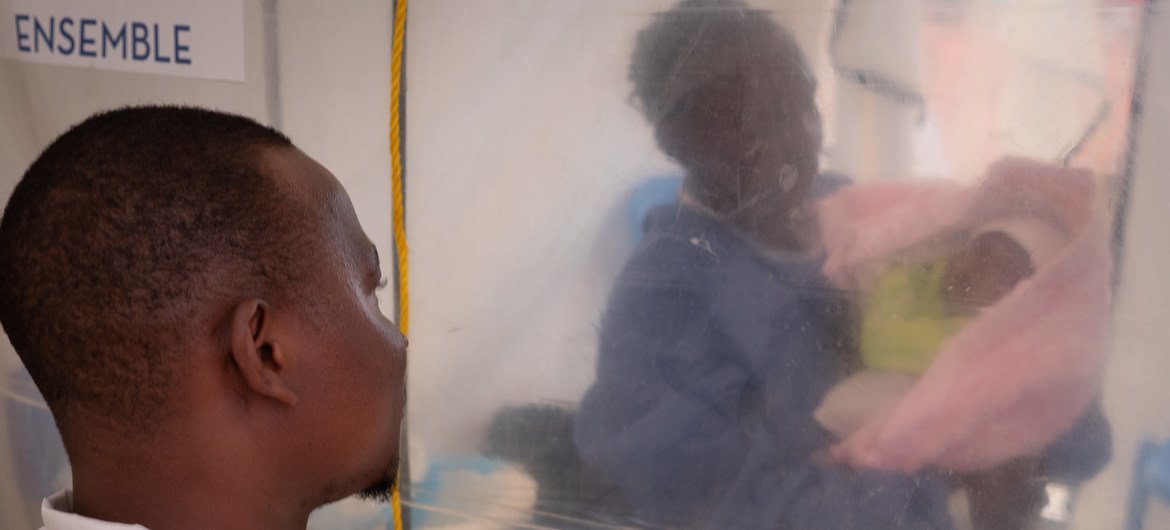
Thomas Kakule Manole looks on as an Ebola survivor cares for his one week old daughter, Benedicte, in an isolation tent at an Ebola treatment center in Beni, in the eastern DRC. Thomas’ wife died of Ebola and his daughter Benedicte is also infected.


1 February 2019

Health


“Brave” UN teams and partners leading the fight against deadly Ebola disease in the Democratic Republic of the Congo (DRC) along with Government authorities and peacekeepers there, have been key in helping protect communities, a top World Health Organization (WHO) official said on Friday, six months after the latest outbreak began.


Dr. Matshidiso Moeti, WHO Regional Director for Africa, was speaking to journalists in Geneva, where she said that challenges persist in overcoming virus hotspots in the north-east of the country.

“We have some 500 staff on the ground at the moment, the great majority from the DRC, and also from WHO offices across the African region. Some of these people have been fighting Ebola since the first 2018 outbreak began in the west of the DRC in May. These brave people and colleagues really do make us all proud.”

To date, Ebola has claimed 461 lives in North Kivu and Ituri provinces, and 258 people have recovered from the illness, which attacks the immune system, causing internal-bleeding and major organ damage, if unchecked.

Dr. Moeti said that although there have been successes in bringing the disease under control in Beni and Mangina, the outbreak continues to affect a wide geographical area. There has also been a rise in the number of reported cases, including in Katwa health zone.


In addition to nine treatment centres, WHO has traced more than 45,000 people who have come into contact with suspected Ebola sufferers.

More than 69,000 people have been vaccinated in DRC to date, including 21,000 health-workers and 16,000 children.

More than 30 million people have been screened at the country’s borders and vaccinations have also begun in neighbouring South Sudan and Uganda.

Insecurity remains one of the biggest obstacles stopping health-workers from reaching those at risk in the vast country, in an area where more than 100 armed groups operate.

“The situation in North Kivu is actually relatively calm compared to the pre-election period, and obviously calm is a relative term in North Kivu and Ituri, there’s a constant threat of violence and attack from non-government forces,” said Dr. Mike Ryan, Assistant Director-General for Emergencies at WHO.

“But I would echo Dr. Moeti’s thanks to our colleagues in MONUSCO (the UN’s stabilization mission in DRC) and the Force Intervention Brigade who continue to provide active defence for Beni, Butembo and surrounding areas.”

An additional obstacle to healthworkers is suspicion among communities, Dr. Ryan added, noting that attacks on workers “are an almost daily occurrence because of the nature of the work we do”.

Despite the challenges, major advances are being made in tackling DRC’s worst Ebola outbreak, helped by a new therapy now being tested on patients with their consent.

“This is the first time we’ve managed to deliver so many therapeutics with the higher standard of care into an integrated system for managing patients in a safe and dignified way,” he said.

“The results are encouraging in the sense anecdotally when you look at those results you are seeing on the face of it higher levels of survival”, he said, adding that “we have to be extremely careful, there are lots of biases there regarding the condition of the patient when they arrive…but we are certainly encouraged by the data we’re seeing.”


https://news.un.org/en/story/2019/02/1031802
http://creativecommons.org/licenses/by/3.0/legalcode

Aid stepped up to Syria camp; new arrivals say terrorists blocked their escape


© UNICEF/UN0277723/Souleiman


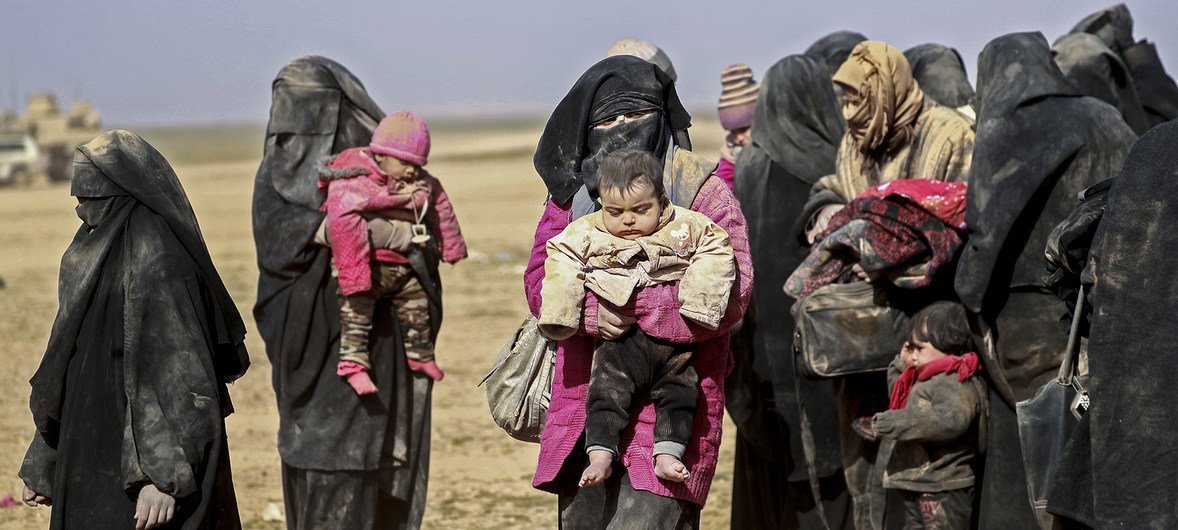
On 26 January 2019, in the Syrian Arab Republic, children and families are huddled together, after being forced to flee their homes, before embarking on the long and arduous journey to safety at Al-Hol camp.


1 February 2019

Humanitarian Aid


Harrowing details continue to emerge of thousands of families who have risked their lives fleeing fighting in Syria’s last ISIL terrorist-held enclave, as UN humanitarians warned on Friday that children are still dying on their way to an overcrowded camp for the displaced, amid access problems and perishing cold.


In just the past week, more than 10,000 people have fled conflict in Hajin in eastern Deir-ez-Zor governorate, UN refugee agency (UNHCR) spokesperson Andrej Mahecic told journalists in Geneva.


“Since fighting escalated in Hajin in early December, more than 23,000 people have fled to Al Hol (camp), effectively tripling its population,” he said. “Many more are expected.”


They travel at night with barely any belongings, often having to wade through the minefields and open fighting - Andrej Mahecic, UNHCR


Those fleeing Hajin described fierce fighting and said they were blocked from leaving by ISIL, or Da’esh extremists, who used to control large swathes of northern Iraq and Syria.


“Families fleeing the Hajin enclave and surrounding areas have also told us of a harrowing journey to safety,” Mr Mahecic explained. “They travel at night with barely any belongings, often having to wade through the minefields and open fighting.”


On reaching positions controlled by US-backed Syrian Democratic Forces (SDF), the “hungry and cold” civilians – mainly women and children, according to UNHCR - “describe being herded into open trucks” and transported northwards to Al Hol camp.


Little or no assistance is given to them, Mr Mahecic noted, adding that since early December, “we have recorded 29 deaths among children and newborns”.


More than two weeks ago, humanitarians asked the SDF to designate a site en route for Al Hol, where emergency assistance can be provided. This has yet to happen, the agency confirmed.


“We have approached the authorities who are effectively in control of the area where we need to work”, Mr Mahecic said. “We have also appealed to those fighting and those with influence over those involved in the fighting to do their utmost to grant safety for the civilians fleeing and to allow humanitarian access in the areas where we need.”


Many sleep in the open in freezing cold weather and walk or travel in open trucks from there - Christian Lindmeier, WHO


Christian Lindmeier, spokesperson for the World Health Organization (WHO) described the life-threatening delays imposed on vulnerable families: “Fleeing civilians are stopped at Al Omar oilfields for days for screening and we need access to this area to assist the people there,” he said. “Many sleep in the open in freezing cold weather and walk or travel in open trucks from there.”


Amid a surge in arrivals to Al Hol camp and overcrowding, UNHCR and its partners have set up 24-hour response teams to identify the most vulnerable arrivals and provide assistance, especially to unaccompanied or separated children.


A number of other emergency measures have been put in place, with additional large tents to provide immediate shelter for new arrivals. The camp already has more than 4,500 tents, with another 3,600 ready to be erected.


Child-friendly spaces are also open, along with schools and communal kitchens to shelter new arrivals temporarily, UNHCR said.


The majority of those fleeing the fighting are Syrian residents of villages in south Deir-ez-Zor province, who have been caught up in the fighting as ISIS retreated south. Mr. Mahecic noted that they are anxious about their confinement to Al Hol camp and the confiscation of their documents.


“Most hope to be allowed to join their relatives and friends in Deir-ez-Zor province and return to their homes as soon as the fighting is over,” he said.
'Much more help is required' WHO


WHO, which is ramping up its response to Al Hol camp, has already delivered thousands of medical treatments to support two mobile clinics and four health teams there.


The UN health agency has also supported vaccination campaigns, set up disease surveillance and training for volunteers to provide “psychological first aid and basic counselling”, WHO’s regional office for the Eastern Mediterranean tweeted.


“A week ago, WHO airlifted more than 28 tonnes of medical supplies, equipment and vaccines to Al Hassakeh Governorate to respond to growing health needs in north-east Syria,” WHO’s Mr Lindmeier confirmed.


“This was the second shipment the organization has airlifted to Al Hassakeh this month,” he added. “It’s also worth mentioning that the first shipment this year was airlifted to the governorate on 8 January. It contained 20 tonnes of medical supplies sufficient to cover 110,000 medical treatments.”


Despite the airlifts, much more help is required. “Access does remain the key issue, just to remind everyone, and we need guaranteed approvals to access the camp and the roads leading to it,” Mr Lindmeier explained.


https://news.un.org/en/story/2019/02/1031782
http://creativecommons.org/licenses/by/3.0/legalcode
ООН: дети, завербованные в качестве иностранных боевиков, – не преступники, а жертвы


Фото Миссии ООН в Южном Судане/И.Билли

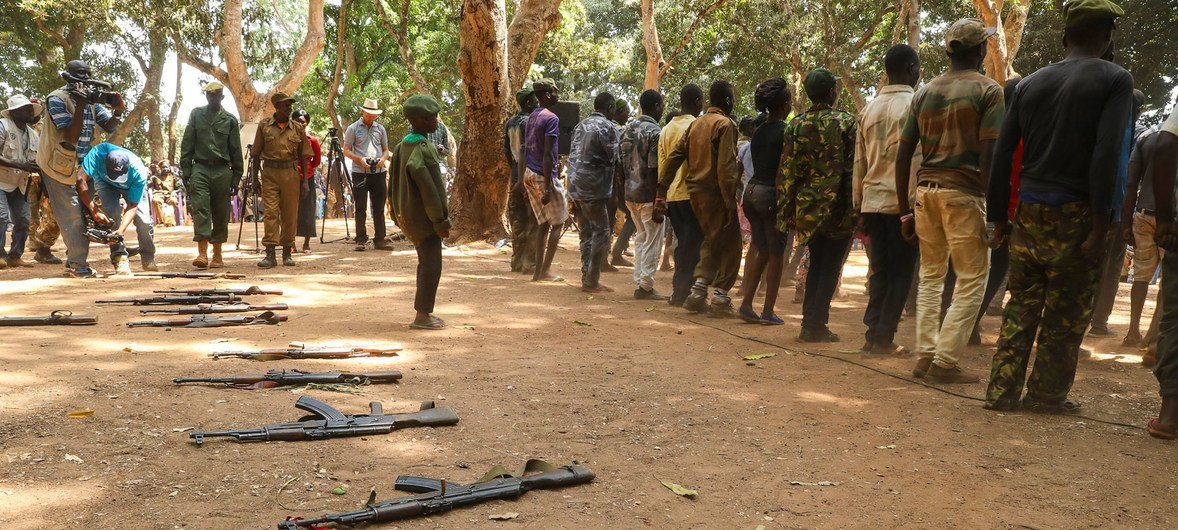
В феврале 2018 года вооруженная группа в Южном Судане выпустила на свободу несовершеннолетних, которые были завербованы для участия в боевых действиях.

31 января 2019

Права человека

С 2011 года около 42 тысяч иностранных боевиков из 120 стран мира совершили поездки в Ирак и Сирию, чтобы присоединиться к группам, связанным с ИГИЛ или «Аль-Каидой». По данным на 2017 год, почти 7 тысяч из них погибли, около 15 тысяч покинули зоны конфликта и 6,8 тысяч вернулись в свои страны. Существенную часть этой группы составляют несовершеннолетние. Об этом говорится в новом докладе ООН.


Отчет для Совета по правам человека подготовила Спецпредставитель Генсека по вопросу о детях и вооруженных конфликтах Вирджиния Гамба. По данным ООН, все больше детей пересекают границы либо самостоятельно, либо со своими семьями и оказываются на территориях, которые контролируют вооруженные группы. За минувший год 89 таких детей погибли в ходе военных действий, в их числе – граждане Таджикистана.


В ООН подчеркивают, что дети иностранных боевиков или завербованные в качестве иностранных боевиков являются жертвами: их эксплуатируют, убивают, пытают и запугивают. Эксперт напоминает, что насилие негативно сказывается на физическом и психическом здоровье этих детей. Она призвала страны-члены ООН принять меры для реабилитации и реинтеграции несовершеннолетних, которые возвращаются из зон конфликта, а в случае совершения ими преступлений, обращаться к системе ювенальной юстиции. Вирджиния Гамба также отметила, что такая мера пресечения, как заключение, в отношении детей должна применяться лишь в крайних случаях, на минимальный срок и с учетом интересов ребенка.


Вербовка детей вооруженными группами в качестве иностранных боевиков создает новые проблемы в сфере защиты прав детей


«Вербовка детей вооруженными группами в качестве иностранных боевиков создает новые проблемы в сфере защиты прав детей, – отмечает Вирджиния Гамба. – Ситуацию усугубляет глобальный характер проблемы воинствующего экстремизма».


В докладе также отмечается резкий рост числа случаев нападений на школы и использования школьных зданий в военных целях. В результате все больше детей в зонах конфликта не получают образования. Зачастую вооруженные группы преднамеренно лишают девочек возможности посещать школу.


Несмотря на вызывающие тревогу данные о насилии в отношении детей и многочисленных нарушениях их прав, в докладе содержатся и позитивные новости: в Афганистане, например, вступил в силу закон, предусматривающий уголовное наказание за вербовку детей в ряды вооруженных групп, а в Нигерии боевики отпустили 833 несовершеннолетних, которые были насильно поставлены под ружье.


https://news.un.org/ru/story/2019/01/1348232
http://creativecommons.org/licenses/by/3.0/legalcode
«Люди уже очень устали» - в ООН намерены в этом году помочь 2,3 млн жителей востока Украины


Фото УКГВ-Украина/ О.Гаскевич

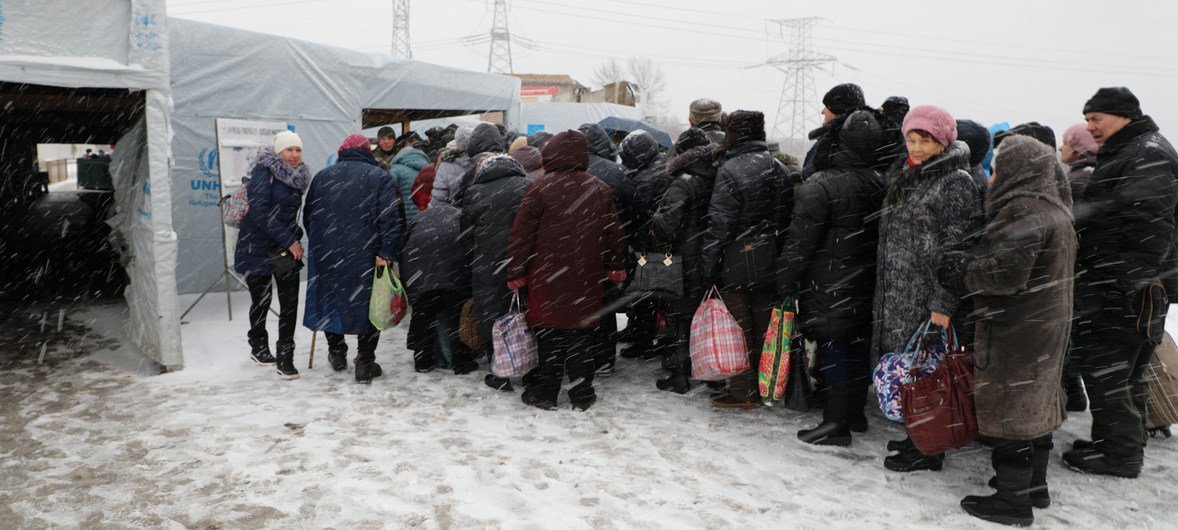
В 2018 году «линию соприкосновения» на востоке Украины через пять КПП пересекли на 1,1 млн раз

31 января 2019

Гуманитарная помощь


Холод, голод и мины – главные враги украинцев, живущих по обе стороны линии разъединения. Несмотря на «прекращение огня», продолжаются обстрелы. Вот уже пятый год ООН с партнерами делает все возможное, чтобы помочь людям. Сегодня в Киеве представили гуманитарный план на 2019 год. На его осуществление понадобится 162 млн долларов.


В ООН надеются на щедрость доноров. Помощи ждут почти 2,5 млн человек. Елена Вапничная поговорила с Валижоном Раноевым из Управления ООН по координации гуманитарных вопросов.


ВР: Многие, к сожалению, говорят, что это «замороженный» конфликт, «замороженный» кризис», но как сегодня отмечали наши спикеры, этот кризис абсолютно не «замороженный»: мы ежедневно видим нарушения перемирия с обеих сторон линии разграничения и люди страдают. Очень большая территория заминирована, люди до сих пор погибают и, в принципе, если внимательно посмотреть, это не «замороженный» конфликт, он просто затяжной. Но, к сожалению, ему уделяется недостаточно внимания со стороны международной прессы и международного сообщества. То, что мы запрашиваем на наш план в этом году, - чуть меньше, чем в прошлом году. Но если сравнивать прошлогодний и текущий план, мы все равно планируем обеспечить товарами первой необходимости то же количество людей, то есть 2 млн и 300 тыс. человек.


ЕВ: Вы сказали, что кризис многоплановый и сложный. Но не могли бы Вы выделить какие-то главные направления, может быть, самые острые потребности, на которых вы сосредоточились?


ВР: Это, конечно же, вопросы отопления, угля. Очень много разрушенных домов. С начала конфликта около 50 тыс. домов по обе стороны линии разграничения были либо полностью, либо частично разрушены. Какая-то помощь либо была оказана, либо оказывается сейчас. Но все равно существует потребность в оказании помощи в виде угля, дров и утепления домов. Это первое.


Раньше у них хоть что-то было, за пять лет все исчерпано


Второе: вопросы разминирования, потому что по двадцать километров вглубь от линии разграничения – высокая минная опасность. А ближе к линии они увеличиваются. Есть риски и мин, и других опасных боеприпасов. Вопросы разминирования тоже очень серьезны.


Оказание помощи в виде защиты, восстановления жизнедеятельности людей. Люди живут в таких условиях уже пять лет. Раньше у них хоть что-то было, за пять лет все исчерпано. И нужны продукты питания, товары ежедневного спроса и т.д. За 2018 год мы зарегистрировали больше 1,1 миллиона пересечений линии разграничения. То есть у нас есть несколько контрольно-пропускных пунктов на линии разграничения длиной 427 километров. При этом КПП только пять, и поток людей, которые передвигаются туда-сюда, конечно же, очень большой. Это показывает, насколько сложен этот кризис. И работать нам нужно во всех критически важных секторах: водоснабжение, доступ к основным услугам, оказание медицинской помощи.


Фото УКГВ


Восток Украины превратился в одну из наиболее заминированных зон в мире


По оценке наших партнеров, в течение 2018 года мы стали еще больше замечать у людей «синдром психологической травмы». Когда мы ездим и общаемся с людьми, мы видим, что люди уже очень устали, и это чувствуется, когда с ними говоришь. Поэтому психологическая помощь является неотъемлемой и приоритетной частью нашей работы.


ЕВ: Из того, что Вы говорите, я понимаю, что у людей какая-то безысходность и конца не видно. И в связи с этим я хочу спросить, а власти – будь то украинское правительство на подконтрольных ему территориях, либо де-факто власти в самопровозглашенных Донецкой и Луганской республиках – они-то этим людям как-то помогают? Восстановить дома можно же помочь за пять лет… Или это не имеет смысла, потому что продолжаются военные действия?


Одно дело, когда сидишь в Киеве и пишешь о них, а другое – когда едешь и общаешься напрямую, смотришь в глаза.


ВР: То, что здесь, конечно же, мешает процессу восстановления всей инфраструктуры и домов – то, что до сих пор идут обстрелы… Не тот момент, чтобы начинать что-то восстанавливать. Но правительство Украины на подконтрольной части уже ведет работы по раннему восстановлению инфраструктуры или жизнедеятельности людей путем оказания помощи. Например, до недавнего времени ремонтировали контрольно-пропускные пункты, чтобы облегчить прохождение этой линии. Ну и со стороны неподконтрольных территорий мы тоже, конечно, слышим отчеты о том, что оказывается помощь. Но мы не в состоянии это подтвердить.


ЕВ: Может быть, приведете пару каких-то конкретных примеров? Вы же ездите на места, Вы видите этих людей. Как ООН удалось изменить к лучшему хотя бы немного жизнь людей? Что-то, может быть, что особенно запомнилось?


ВР: Историй очень много. Я расскажу историю Анатолия. Я с ним встретился в июле 2018 года – мы к нему поехали, когда ООН и партнеры уже отремонтировали его дом. У него крыша протекала. Два года до этого они жили в таком доме: крыша течет, стекол нет… Но им некуда идти, и они бы и дальше так жили, приспосабливались. Но это было ужасно. Приехали партнеры, оценили все, починили крышу, поставили стекла, оказали необходимую помощь. Когда я с ними общался, я понял: одно дело, когда сидишь в Киеве и пишешь о них, а другое – когда едешь и общаешься напрямую, смотришь в глаза. Тогда понимаешь, что то, что ты делаешь, то, что делают ООН и партнеры, на самом деле позитивно влияет на жизнь людей. И Анатолий был очень благодарен. Он говорил: «Я никогда не забуду эти зимы, что я жил без крыши, когда все текло и было очень холодно».


После ремонта он прожил уже еще одну зиму, теперь крыша над головой есть и можно думать о других вопросах. До этого у них был другой приоритет. Это лишь один пример.


Я Вам скажу, что по предварительным данным, помощь получили полтора миллиона человек по обе стороны линии разграничения. Это работа всех партнеров, таких как Международный Красный Крест, и других партнеров, которые не являются частью этого плана. Но мы с ними все равно координируем наши действия. Так что это наше общее достижение.


https://news.un.org/ru/story/2019/01/1348242
http://creativecommons.org/licenses/by/3.0/legalcode
Top envoy to Yemen praises ‘flexibility’ of chief negotiators as new UN mission chief is named


UN Photo


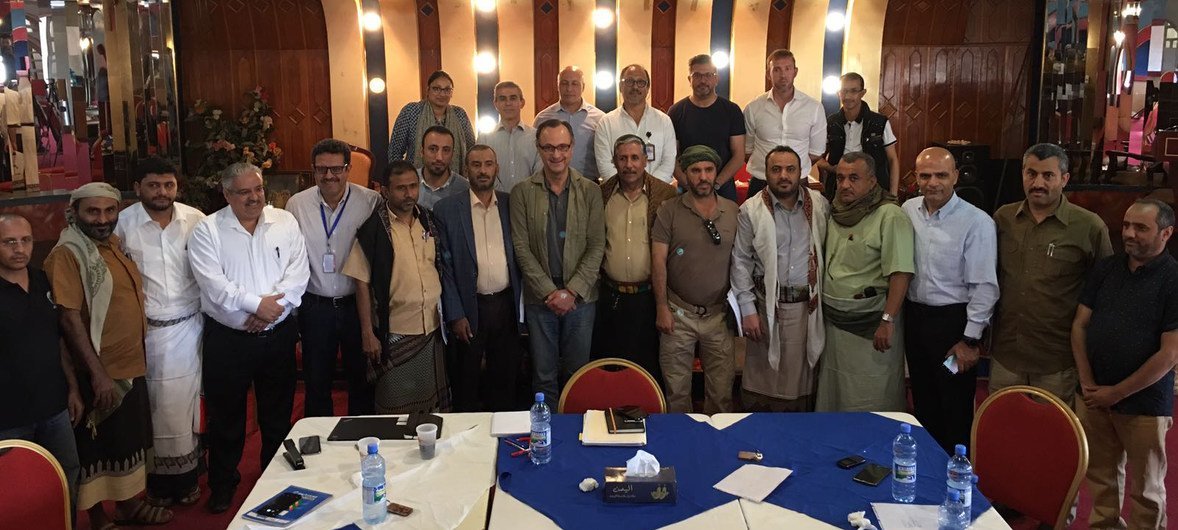
Joint meeting of the Redeployment Coordination Committee in Hudaydah City, Yemen. 28 December 2018.

31 January 2019

Peace and Security

The UN Special Envoy for Yemen said on Thursday that the main negotiators for the warring sides were continuing to show the “necessary flexibility and good faith” to move forward, despite delays in implementing the agreement marking the first steps towards a lasting peace deal, brokered in Sweden last December.


Martin Griffiths, has been talking with the Houthi rebel leadership in the capital Sana’a “to discuss the rapid and effective implementation of the Stockholm Agreement” the UN said in a briefing note to correspondents based in New York.


He also discussed the deployment of UN staff in support of cementing the fragile ceasefire, and withdrawal of Houthi and pro-Government coalition forces in and around the crucial port city of Hudaydah.


“The Special Envoy is encouraged by the responsiveness demonstrated by the leadership of Ansar Aallah (the official name of the Houthi movement) in that regard. The Special Envoy also discussed the resumption of political consultations, stressing the importance of achieving substantial progress in implementing the Stockholm Agreement, as we move towards convening the next round of consultations.”


During his visit to the Saudi capital Riyadh this week, Mr. Griffiths said he had gained assurances from Yemeni President Adrabbuh Mansur Hadi and the Saudi-led coalition of their continued commitment to respect and fully implement the agreement.


The envoy said leaders of both parties had “demonstrated the necessary flexibility and good faith regarding the timelines for implementation and the technical challenges that need to be resolved on the ground.


The parties also recognize the political and humanitarian importance of the full implementation of the Stockholm agreement. The Special Envoy reiterated the commitment of the United Nations to continue working with the parties to overcome any challenges in this regard.”


UN Photo/Evan Schneider


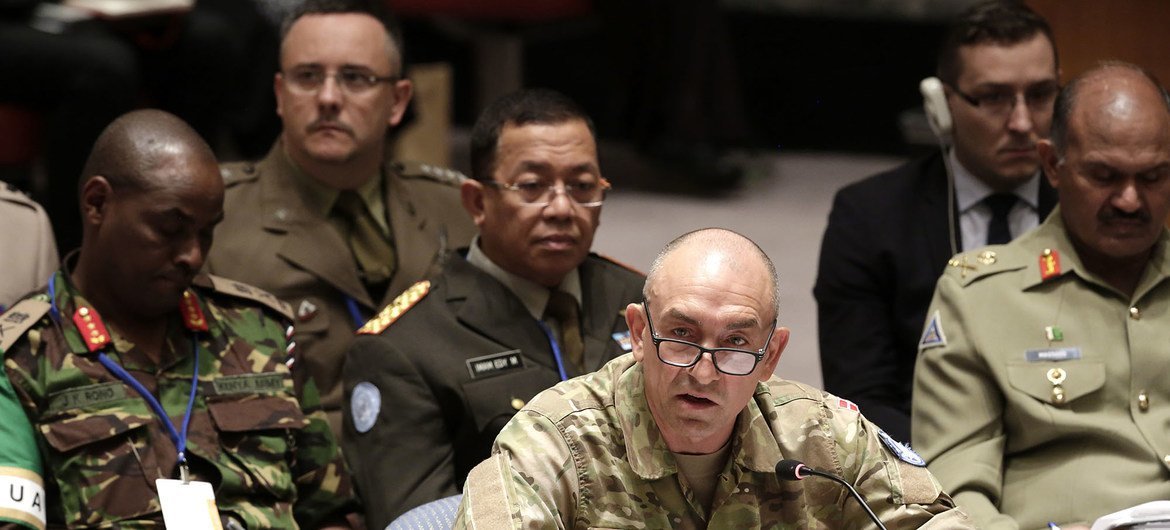
Michael Lollesgaard has been appointed the new head of the UN observer mission in Yemen. In this photo from 2015, he is briefing the Security Council in his former capacity as commander of the UN peacekeeping force in Mali.


Danish General appointed new head of UN Mission in Hudaydah


Also on Thursday, Secretary-General António Guterres announced the appointment of Danish Lieutenant General Michael Anker Lollesgaard, to succeed retired Major General Patrick Cammaert, of the Netherlands, as the new head of the UN Mission in support of the ceasefire and troop withdrawal agreement for Hudaydah, known as UNMHA.


The mission was mandated by the UN Security Council in the wake of the Stockholm Agreement, for an initial period of six months, to lead and support the Redeployment Coordination Committee – which includes representatives from both sides to the conflict – monitor ceasefire compliance across the Governorate, and demilitarization of the key city, which is a vital conduit for nearly all aid and commercial goods into Yemen.


It will also oversee the withdrawal of fighting forces in the ports of Saleef and Ras Isa.


Responding to journalists’ questions on Thursday in New York, over whether or not General Cammaert had resigned from his post in response to pressure, UN Spokesperson Stéphane Dujarric denied the charge, reiterating that he was always on “a temporary assignment” heading up the advance mission, and team of UN observers.


“He will now stay, obviously, to do a handover, so he will leave very soon, in the early days of February, as soon as we can get his Danish replacement online,” said the UN Spokeperson. “The most important thing for us is that there is continuity in the work of the RCC and the person who heads it.”


Mr. Dujarric said that Lt. Gen. Lollesgaard “brings to this position 30 years of national and international military experience”, having previously been appointed by the Organization as Force Commander of the UN Mission in Mali, MINUSMA, from 2015-16.


https://news.un.org/en/story/2019/01/1031762
http://creativecommons.org/licenses/by/3.0/legalcode
В ОБСЕ заявили о готовности провести встречу по Приднестровью до лета


Вчера, 20:29


© РИА Новости / Владимир Астапкович


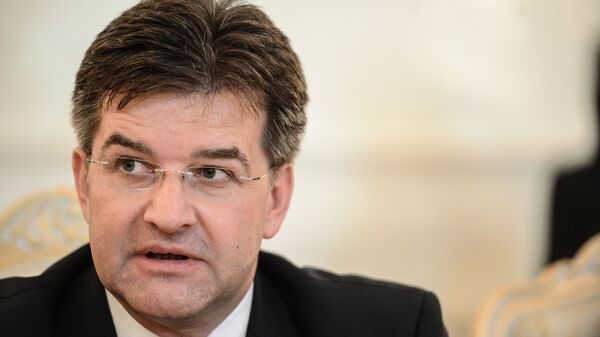
Председатель ОБСЕ Мирослав Лайчак . Архивное фото

ТИРАСПОЛЬ, 18 янв — РИА Новости. Действующий председатель ОБСЕ, министр иностранных дел Словакии Мирослав Лайчак после встречи с лидером Приднестровья Вадимом Красносельским заявил о готовности созвать заседание переговорного формата "5+2" до наступления лета, сообщила пресс-служба приднестровского лидера.

В переговорах по приднестровскому урегулированию в формате "5+2" участвуют Молдавия и Приднестровье как стороны конфликта, Россия, Украина, ОБСЕ - в качестве посредников, Евросоюз и США - как наблюдатели. Очередной раунд переговоров в этом формате состоялся 29-30 мая в Риме. По его итогам был подписан Римский протокол, закрепляющий ряд договоренностей и обязательств сторон.


Вчера, 17:54

Глава МИД Молдавии попросил проверить склады с оружием в Приднестровье

"Мы готовы созвать следующую встречу в формате "5+2", когда у нас будет перспектива добиться чего-то конкретного. Хотелось бы – до наступления лета, но все зависит от готовности сторон", - приводит пресс-служба слова Лайчика.

По его мнению, не стоит встречаться, если не о чем договариваться. Он считает, что это было бы плохим знаком.


26 декабря 2018, 23:53

Додон надеется, что встреча по Приднестровью пройдет в ближайшие три месяца

"Но я думаю, что все участники процесса понимают, что у нас есть хороший момент, хорошая атмосфера, есть больше доверия, чем два года назад, и это надо сохранить", – сказал председатель ОБСЕ.

Приднестровье, 60% жителей которого составляют русские и украинцы, добивалось выхода из состава Молдавии еще до распада СССР, опасаясь, что на волне национализма Молдавия присоединится к Румынии. В 1992 году, после неудавшейся попытки властей Молдавии силой решить проблему, Приднестровье стало фактически не подконтрольной Кишиневу территорией.


https://ria.ru/20190118/1549591705.html
http://creativecommons.org/licenses/by/3.0/legalcode
World Bank President steps down, Chief Executive assumes temporary role


Photo: World Bank


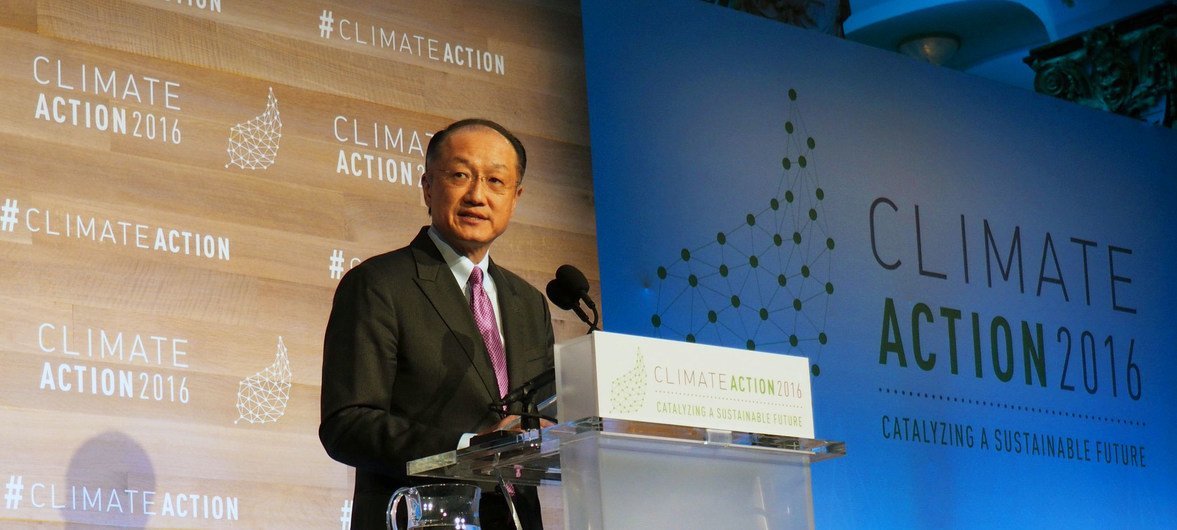
President of the World Bank Group, Jim Yong Kim, addresses the Climate Action Summit 2016 in Washington D.C. Photo: World Bank


7 January 2019

Economic Development


The President of the World Bank, Jim Yong Kim, announced on Monday that he is stepping down, after more than six years in the role. Kristalina Georgieva, CEO of the World Bank CEO, will assume the role of interim President, from 1 February.


In a statement, Mr. Kim said that “It has been a great honour to serve as President of this remarkable institution, full of passionate individuals dedicated to the mission of ending extreme poverty in our lifetime. The work of the World Bank Group is more important now than ever as the aspirations of the poor rise all over the world, and problems like climate change, pandemics, famine and refugees continue to grow in both their scale and complexity.”

During his term, which began in July 2012, President Kim emphasized that one of the greatest needs in the developing world was more international funding for infrastructure, and he pushed the World Bank to work with private sector partners committed to building sustainable, climate-smart infrastructure in developing countries.

Under Mr. Kim’s leadership, the World Bank provided financing at levels never seen outside of a financial crisis and set two goals for the bank: to end extreme poverty by 2030, and to boost shared prosperity, focusing on the bottom 40 percent of the population in developing countries. These goals now guide and inform the institution in its daily work around the globe.

Mr. Kim’s tenure also saw the World Bank launch several new innovative financial instruments, including facilities to address infrastructure needs, prevent pandemics, and help the millions of people forcibly displaced from their homes by climate shocks, conflict, and violence. The Bank is also working with the United Nations and leading technology companies to implement the Famine Action Mechanism, to detect warning signs earlier and prevent famines before they begin.

Mr. Kim has announced that, on leaving the World Bank, he will join a company and focus on increasing infrastructure investments in developing countries. The details of this new position will be announced shortly. He will also be re-joining the board of Partners In Health (PIH), an not-for-profit organization he co-founded more than 30 years ago.


https://news.un.org/en/story/2019/01/1029932
http://creativecommons.org/licenses/by/3.0/legalcode